With more than 10‑year industry experience, Shandong Headpowder delivers full‑service pneumatic‑conveying systems and blowers, undertaking nationwide turn‑key powder‑handling projects.
Low-pressure continuous pneumatic conveying systems are a critical technology in material handling, especially for transporting powders and granular materials. These systems utilize air as the primary conveying medium, leveraging a pressure differential to move material through a sealed pipeline. Widely adopted across industries like chemical, food processing, pharmaceuticals, and more, the technology offers efficiency and adaptability. This article delves into the working principle and key features of such systems, providing a comprehensive overview for professionals in material handling and process engineering.
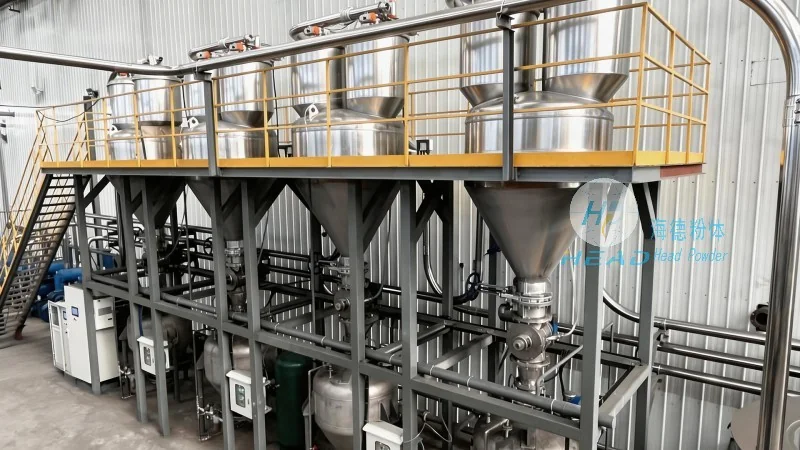
Shandong HeadPowder Engineering Co., Ltd., a leading manufacturer based in Shandong, China, specializes in the design, manufacturing, and installation of advanced pneumatic conveying solutions. With a strong commitment to quality and innovation, the company has established itself as a trusted partner for businesses seeking reliable material transport systems. The company’s headquarters and main operations are located in Shandong, China, where it leverages local expertise and resources to deliver high-performance equipment tailored to specific industrial needs.
The core working principle of low-pressure continuous pneumatic conveying systems revolves around the use of compressed air to create a pressure gradient that propels material through a pipeline. Unlike high-pressure systems, low-pressure systems operate at pressures typically below 0.1 MPa, making them more energy-efficient and suitable for diverse applications. The process initiates with material fed into a hopper or feeder, where it is introduced into the conveying line. Compressed air is introduced at the pipeline inlet, generating a flow that pulls the material along with it. The air and material mixture travels through the pipeline to a separation unit, where the material is separated from the air and collected in a receiving bin. The air is then filtered and discharged or recirculated. This continuous cycle ensures steady material flow without frequent stops or manual intervention.
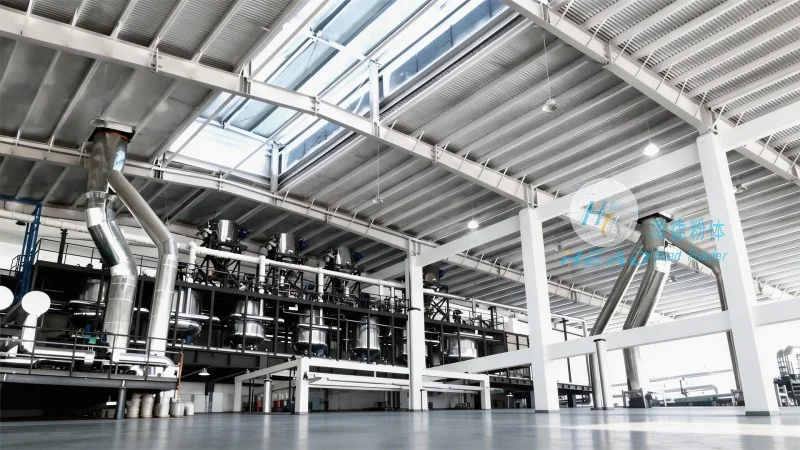
Low-pressure continuous pneumatic conveying systems offer several distinct advantages. One primary feature is their ability to handle a wide variety of materials, including fine powders, granules, and bulk materials. The system’s design minimizes material degradation and contamination, as the material remains enclosed within the pipeline. Another key advantage is low energy consumption compared to traditional methods like belt conveyors or bucket elevators. Continuous operation also boosts throughput and reduces labor costs by eliminating manual loading/unloading. The system is relatively easy to install and maintain, with modular components that can be replaced or upgraded. Low-pressure operation reduces equipment damage risk and ensures safer operation, as there is less pressure-related stress on components.
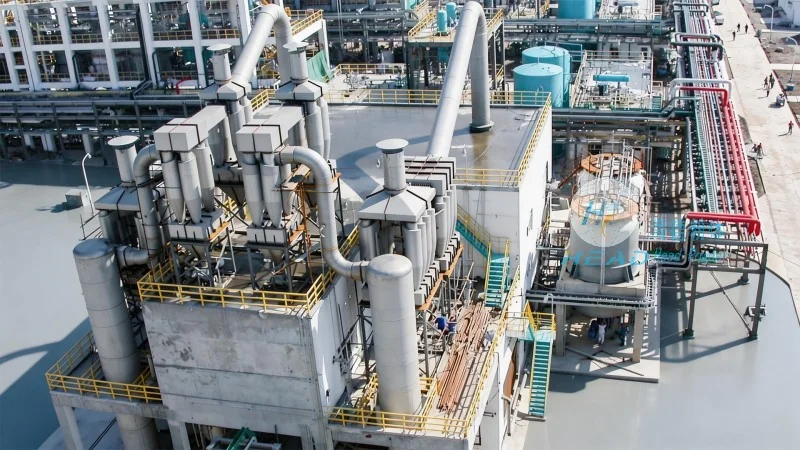
Low-pressure continuous pneumatic conveying systems are versatile and used across numerous industries. In the chemical industry, they transport raw materials and finished products (e.g., powders, granules) between processing units. The food and beverage industry utilizes these systems for handling ingredients like flour, sugar, and spices, ensuring hygiene and product quality. The pharmaceutical industry benefits from the system’s ability to maintain sterile conditions and prevent cross-contamination, making it ideal for transporting active pharmaceutical ingredients (APIs) and sensitive materials. Other industries, including agriculture, mining, and construction, also employ low-pressure pneumatic conveying for material transport, leveraging its efficiency and adaptability.
Low-pressure continuous pneumatic conveying systems represent a sophisticated and efficient solution for material handling, offering a balance of performance, energy efficiency, and reliability. With the expertise of companies like Shandong HeadPowder Engineering Co., Ltd., businesses can implement these systems to enhance operational capabilities and meet modern industrial process demands. The technology continues to evolve with advancements in materials, control systems, and automation, ensuring its relevance and importance in the future of material transport.

 Shandong Headpowder Engineering Co., Ltd.
 156-6277-7102(Manager Zhang)
  0531-83386006
  Zhangqiu District, Jinan City, Shandong Province, China
telephone
WeChatconsult
top