With more than 10‑year industry experience, Shandong Headpowder delivers full‑service pneumatic‑conveying systems and blowers, undertaking nationwide turn‑key powder‑handling projects.
When it comes to transporting bone powder, the choice between positive pressure and negative pressure pneumatic conveying systems is a critical decision for many industries. Both methods leverage air to move material, but they operate on fundamentally different principles, each with its own set of advantages and limitations. Understanding these differences is essential for selecting the most suitable system for specific applications, especially in the context of bone powder handling, where material properties and process requirements play a significant role.
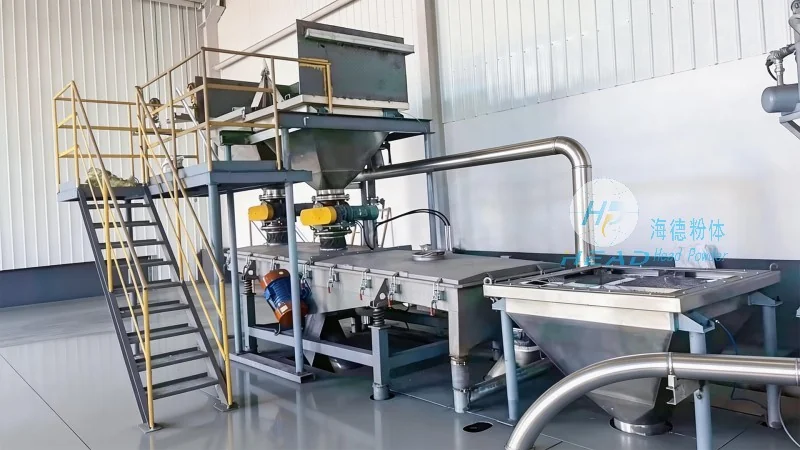
Pneumatic conveying is a technology that uses air to transport bulk materials like powders, granules, or small particles through a pipeline. It offers advantages such as reduced contamination, improved safety, and the ability to transport materials over long distances without the need for mechanical components like conveyors or elevators. The two primary types of pneumatic conveying systems are positive pressure and negative pressure systems, each with distinct characteristics that influence their suitability for different materials and processes. As a leading provider in the field, Shandong HeadPowder Engineering Co., Ltd. specializes in designing and implementing these systems tailored to the unique needs of bone powder applications.
Positive pressure conveying, also known as pressure pneumatic conveying, operates by blowing air or a gas mixture into the conveying line, creating a pressure higher than the ambient air pressure. This method is particularly effective for transporting bone powder, especially when dealing with materials that are prone to caking or have high moisture content. The high pressure ensures that the material is fully suspended and moves efficiently through the pipeline. In the case of bone powder, which is often used in animal feed and pharmaceutical applications, positive pressure systems can maintain a consistent flow rate and prevent material degradation during transport.
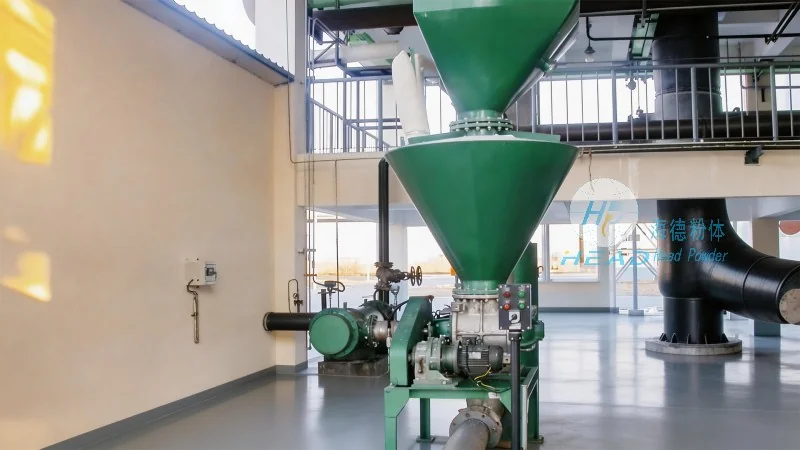
A key advantage of positive pressure systems is their ability to handle a wide range of material densities and particle sizes. They are also suitable for long-distance conveying, as the pressure can be maintained throughout the entire pipeline. However, these systems require robust equipment, including high-pressure blowers and durable pipelines, which can increase initial investment costs. Additionally, positive pressure systems may generate more noise and require proper ventilation to manage air emissions. Shandong HeadPowder Engineering Co., Ltd. offers customized positive pressure solutions that address these challenges, ensuring efficient and reliable transport of bone powder.
Negative pressure conveying, or vacuum pneumatic conveying, works by creating a vacuum in the conveying line, drawing material from the source into the pipeline. This method is often preferred for applications where the material needs to be transported from a central collection point to a processing facility, as it can pull material from multiple sources into a single line. For bone powder, negative pressure systems are effective when the material is relatively dry and free-flowing, as the vacuum helps to maintain a consistent flow without the need for high pressure.
One of the main benefits of negative pressure systems is their lower initial cost compared to positive pressure systems, as they typically use smaller and less expensive vacuum pumps. They also generate less noise and are more energy-efficient for short to medium distances. However, negative pressure systems have limitations, such as the risk of material degradation due to prolonged exposure to air and the potential for dust accumulation in the pipeline, which can affect the material's quality and the system's performance. Shandong HeadPowder Engineering Co., Ltd. provides negative pressure solutions that incorporate advanced filtration and maintenance protocols to mitigate these issues.
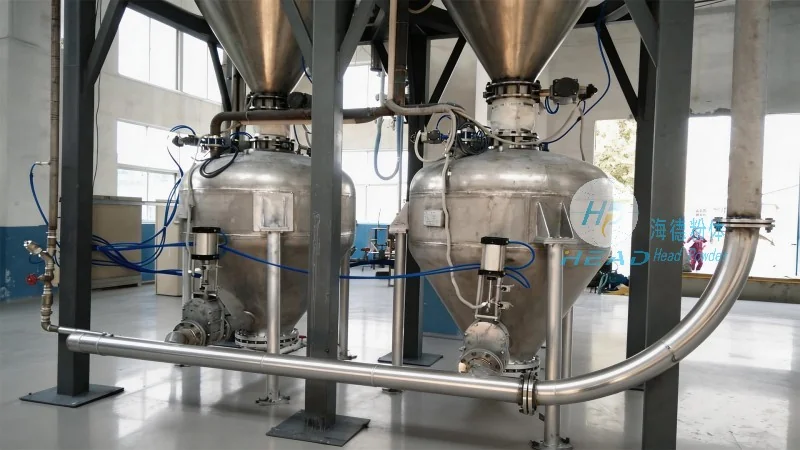
When comparing positive and negative pressure conveying for bone powder, several factors need to be considered. The choice depends on the specific characteristics of the bone powder, such as its moisture content, particle size distribution, and flowability, as well as the distance and layout of the conveying system. Positive pressure systems are generally more suitable for high-volume, long-distance transport, especially when dealing with materials that are prone to caking or have high moisture content. They offer better control over material flow and can maintain a consistent quality throughout the transport process.
On the other hand, negative pressure systems are ideal for applications where the material is dry and free-flowing, and the conveying distance is relatively short. They are also more cost-effective for smaller-scale operations and can be easily integrated into existing facilities. However, negative pressure systems may require more frequent maintenance due to the risk of dust accumulation and the need for proper filtration to prevent material loss and contamination. Shandong HeadPowder Engineering Co., Ltd. assists clients in evaluating these factors to select the optimal system for their bone powder transport needs.

 Shandong Headpowder Engineering Co., Ltd.
 156-6277-7102(Manager Zhang)
  0531-83386006
  Zhangqiu District, Jinan City, Shandong Province, China
telephone
WeChatconsult
top