With more than 10‑year industry experience, Shandong Headpowder delivers full‑service pneumatic‑conveying systems and blowers, undertaking nationwide turn‑key powder‑handling projects.
For industries dealing with polyethylene materials, selecting the right pneumatic conveying system is crucial for efficiency, cost-effectiveness, and operational safety. Pneumatic conveying technology offers a flexible and effective method to transport polyethylene powders and granules over short to medium distances. Two primary modes dominate this field: positive pressure and negative pressure systems. Understanding the nuances of each mode is essential for making an informed decision that aligns with specific operational requirements. This analysis is presented by Shandong HeadPowder Engineering Co., Ltd., a leading provider of engineering solutions for material handling and processing systems.
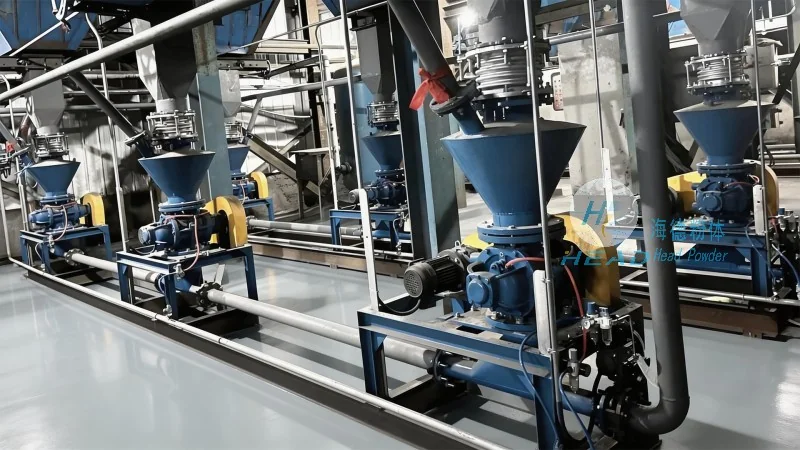
Pneumatic conveying systems utilize air or gas to transport bulk materials like polyethylene through a network of pipes. The choice between positive and negative pressure systems depends on factors such as material properties, distance, system complexity, and environmental considerations. Both modes have their advantages and limitations, which are critical to evaluate when designing a conveying solution for polyethylene applications.
Positive pressure systems operate by blowing air or gas into the conveying line, creating a pressure higher than the ambient air pressure. This method is particularly effective for transporting polyethylene materials over longer distances or when dealing with abrasive or corrosive powders. The high-pressure air forces the material through the pipeline, ensuring consistent flow and preventing material degradation. A key advantage of positive pressure systems is their ability to handle difficult-to-convey materials, including those with high moisture content or fine particles. The system typically includes a blower, a hopper for material storage, and a control valve to regulate the flow. The positive pressure environment also helps maintain material integrity by minimizing exposure to external contaminants.
Negative pressure systems, also known as vacuum systems, work by creating a vacuum in the conveying line, drawing material from the source into the system. This approach is ideal for applications where the material needs to be transported from a high elevation or where the source is located in a confined space. Negative pressure systems are often preferred for shorter distances and when the material is less abrasive. The vacuum created pulls the polyethylene particles into the pipeline, reducing the risk of dust emissions and ensuring a clean transfer process. However, these systems may have limitations in handling very fine or lightweight powders, as the vacuum might not provide sufficient force to maintain consistent flow. The system typically includes a vacuum pump, a hopper, and a filter to capture any airborne particles.
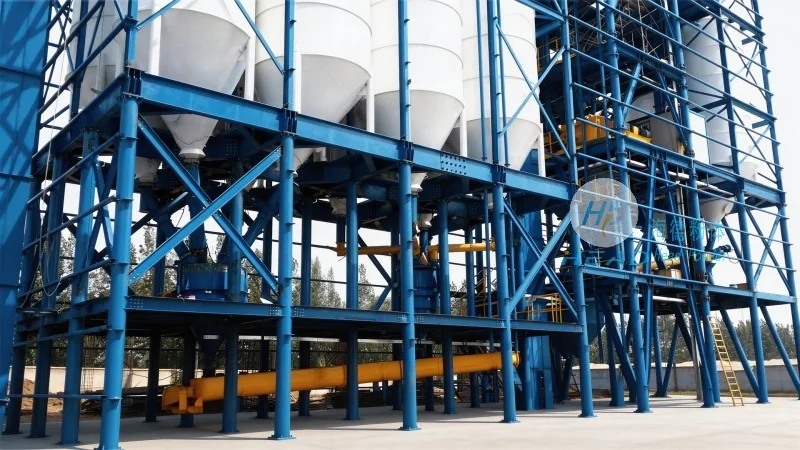
When comparing positive and negative pressure systems for polyethylene, several factors stand out. Positive pressure systems generally offer higher conveying capacities and are more suitable for long-distance or high-volume applications. They are also better equipped to handle challenging materials, making them a preferred choice in industries where material properties vary widely. On the other hand, negative pressure systems are more energy-efficient for short distances and are less likely to cause dust explosions, as they do not generate high-pressure air that could ignite combustible materials. The choice between the two often hinges on the specific operational constraints and the nature of the polyethylene being transported.
Positive pressure systems are commonly used in polyethylene processing plants for transporting raw materials from storage silos to processing equipment, such as extruders or mixers. They are also employed in packaging lines where polyethylene granules need to be moved from bulk containers to packaging machines. The high-pressure capability of these systems ensures reliable and continuous material flow, even in demanding production environments. Negative pressure systems, meanwhile, are often utilized in applications where the material is sourced from a hopper or a silo located at a higher elevation, such as in a warehouse or a storage facility. They are also suitable for conveying polyethylene from a processing line back to a storage area, particularly when the distance is short and the material is less abrasive.
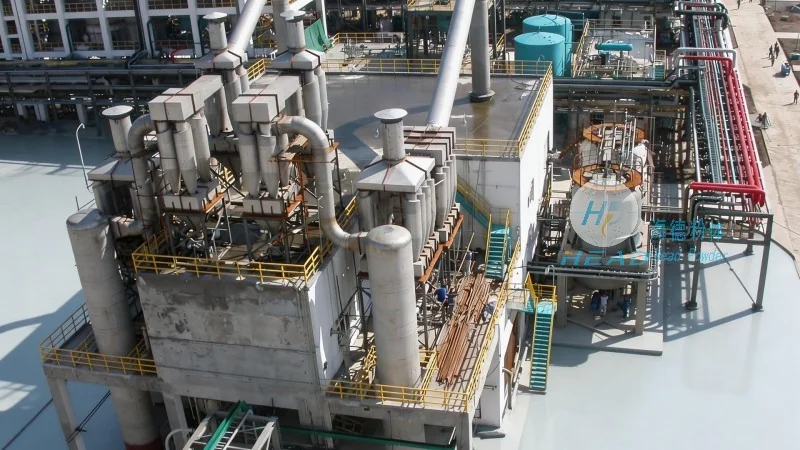
Positive pressure systems offer several advantages, including higher conveying rates, better control over material flow, and the ability to handle a wider range of material types. However, they may require more maintenance due to the higher pressure components and can be more expensive to install and operate. The high-pressure air can also lead to increased energy consumption and potential noise levels. Negative pressure systems, while more energy-efficient, may have lower conveying capacities and are less effective for long-distance or high-volume applications. They are also more susceptible to clogging if the material contains large particles or is prone to bridging in the hopper.
When designing a pneumatic conveying system for polyethylene, several technical considerations must be addressed. The system must be sized to handle the expected flow rate and material characteristics, ensuring that the pressure differentials are sufficient to maintain consistent transport. The choice of blower or vacuum pump must be matched to the system's requirements, considering factors such as air volume, pressure, and power consumption. The pipeline layout is critical, as it affects the pressure drop and the overall efficiency of the system. Proper sealing and material selection for the hopper and valve components are essential to prevent leaks and material degradation. Additionally, the system should include filtration and cleaning mechanisms to maintain air quality and prevent clogging.
In conclusion, both positive and negative pressure pneumatic conveying systems are viable options for transporting polyethylene materials, each with its own set of advantages and limitations. The selection of the appropriate system depends on the specific operational needs, material properties, and environmental constraints of the application. Positive pressure systems are generally more versatile and suitable for high-volume, long-distance applications, while negative pressure systems offer energy efficiency and safety benefits for shorter distances. By carefully evaluating these factors, industries can choose the most effective and economical pneumatic conveying solution for their polyethylene processing needs. Shandong HeadPowder Engineering Co., Ltd. specializes in providing tailored solutions that meet these diverse requirements, ensuring optimal performance and reliability in material handling operations.

 Shandong Headpowder Engineering Co., Ltd.
 156-6277-7102(Manager Zhang)
  0531-83386006
  Zhangqiu District, Jinan City, Shandong Province, China
telephone
WeChatconsult
top