With more than 10‑year industry experience, Shandong Headpowder delivers full‑service pneumatic‑conveying systems and blowers, undertaking nationwide turn‑key powder‑handling projects.
Gypsum sand, a vital raw material in construction and industrial applications, demands efficient and reliable transportation methods to maintain smooth production processes. Pneumatic conveying technology offers a solution by utilizing air to transport bulk materials like gypsum sand, eliminating the need for traditional mechanical conveying systems. This article provides an in-depth analysis of the two primary modes of pneumatic conveying—positive pressure and negative pressure systems—comparing their characteristics, applications, and suitability for gypsum sand handling.
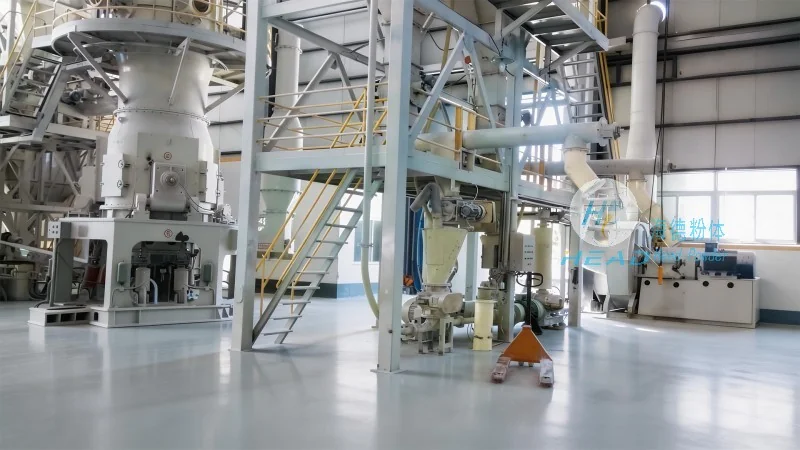
Positive pressure pneumatic conveying systems operate by blowing air into the conveying line, creating a pressure higher than the ambient air pressure. This method is particularly effective for transporting gypsum sand over long distances or through complex piping networks. The system typically includes a blower, a hopper for material storage, and a discharge point where the material is released. The high-pressure air stream propels the gypsum sand particles through the pipeline, ensuring consistent flow and minimal material degradation. A key advantage of positive pressure systems is their ability to handle abrasive materials like gypsum sand without excessive wear on the equipment. Additionally, they can transport materials from multiple sources to a single destination, making them ideal for large-scale industrial operations. However, these systems may require more maintenance due to the higher air pressure and the potential for air leaks, which can affect efficiency and energy consumption.
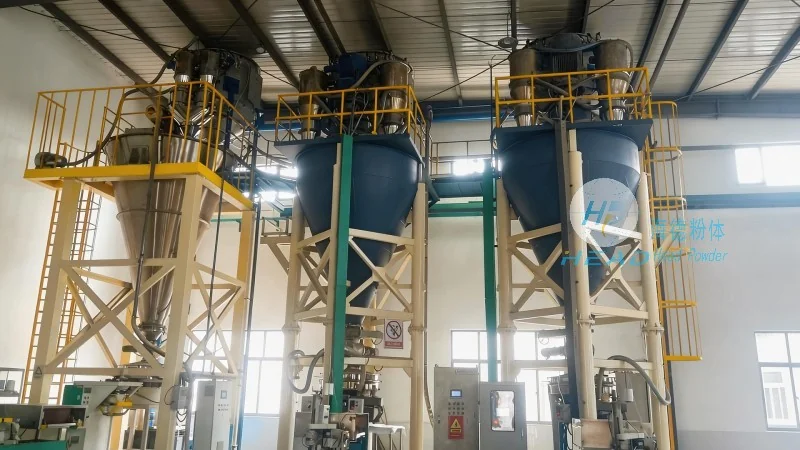
Negative pressure pneumatic conveying, also known as vacuum systems, operates by creating a vacuum in the conveying line, drawing material from the source into the system. This approach is often preferred for short-distance transport or when the material needs to be collected from various points and consolidated at a central location. The system consists of a vacuum pump, a collection hopper, and a discharge outlet. The vacuum pulls the gypsum sand particles into the pipeline, allowing for gentle handling of the material. One of the main benefits of negative pressure systems is their lower energy consumption compared to positive pressure systems, as they use less air and operate at lower pressures. This makes them more energy-efficient and cost-effective for smaller-scale applications. However, negative pressure systems are generally less suitable for long-distance transport due to the limitations of vacuum pressure and the potential for material buildup in the pipeline, which can lead to blockages and reduced efficiency.
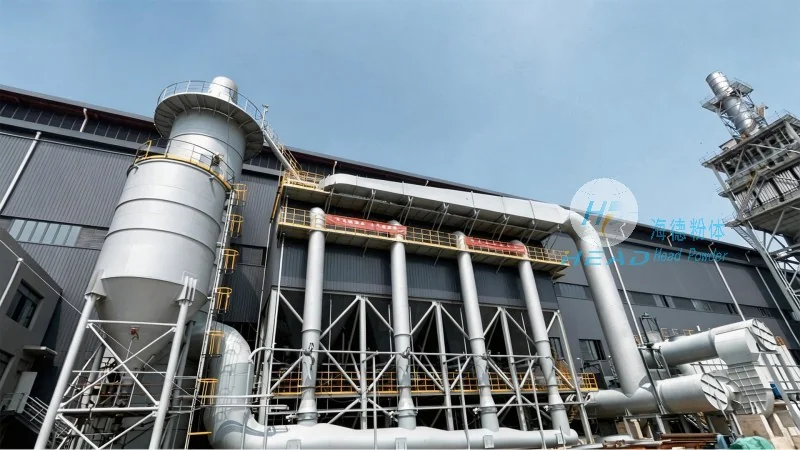
When evaluating the suitability of pneumatic conveying systems for gypsum sand, several factors must be considered, including the distance of transport, the volume of material, the complexity of the piping layout, and the desired level of material handling efficiency. Positive pressure systems excel in scenarios requiring long-distance transport or the movement of large quantities of gypsum sand, as they can maintain consistent pressure and flow rates over extended distances. Their ability to handle abrasive materials and transport multiple sources to a single destination makes them a preferred choice for large industrial plants. Conversely, negative pressure systems are better suited for shorter distances, where energy efficiency and gentle material handling are prioritized. They are ideal for applications where the material needs to be collected from various points and consolidated, such as in small-scale production facilities or for handling fine gypsum sand particles that require minimal pressure to avoid degradation.
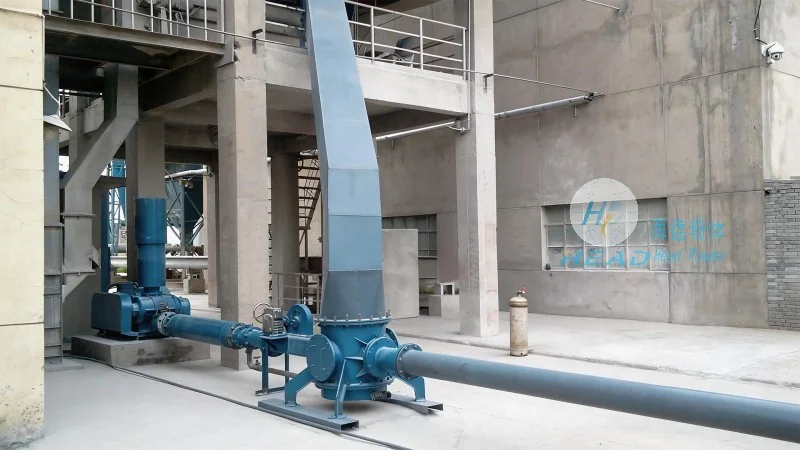
The decision between positive and negative pressure pneumatic conveying for gypsum sand handling depends on several technical and operational factors. Distance is a critical factor, as positive pressure systems are more effective for long distances due to their ability to maintain pressure and prevent material settling in the pipeline. Material characteristics, such as particle size, moisture content, and abrasiveness, also play a role. Gypsum sand, with its relatively fine particles and abrasive nature, may benefit more from positive pressure systems to prevent blockages and ensure consistent flow. Additionally, the layout of the production facility and the number of material sources and destinations influence the choice. If the facility has multiple sources and a single destination, a positive pressure system may be more efficient. Conversely, if the material needs to be collected from various points and transported to a central location, a negative pressure system could be more suitable. Maintenance requirements and operational costs are also important considerations. Positive pressure systems may require more frequent maintenance due to higher air pressure and potential leaks, while negative pressure systems offer lower energy costs but may need more frequent cleaning to prevent material buildup.

 Shandong Headpowder Engineering Co., Ltd.
 156-6277-7102(Manager Zhang)
  0531-83386006
  Zhangqiu District, Jinan City, Shandong Province, China
telephone
WeChatconsult
top