With more than 10‑year industry experience, Shandong Headpowder delivers full‑service pneumatic‑conveying systems and blowers, undertaking nationwide turn‑key powder‑handling projects.
When it comes to transporting iron concentrate, selecting the right method is crucial for efficiency, cost-effectiveness, and operational safety. Shandong HeadPowder Engineering Co., Ltd., a leading provider in the field, offers a range of solutions tailored to meet diverse industrial needs. This article provides a detailed comparison of common iron concentrate transportation methods, highlighting their advantages and disadvantages to help you make an informed decision.
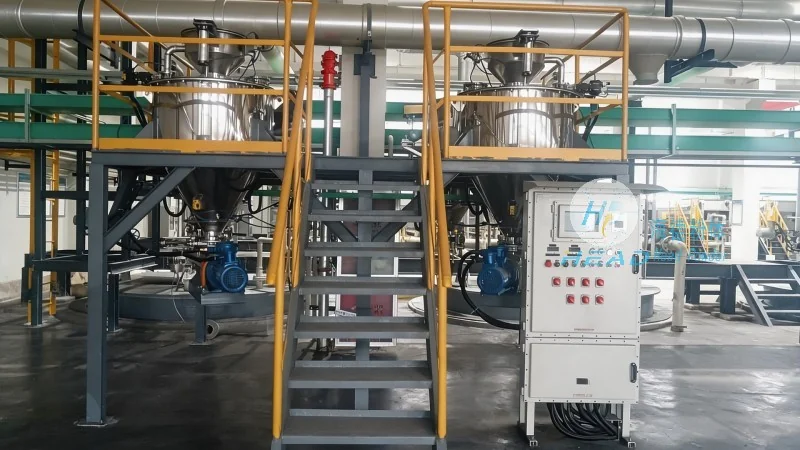
Iron concentrate, a key raw material in steel production, requires reliable and efficient transportation from mining sites to processing facilities. The choice of transportation method depends on factors such as material properties, distance, volume, and budget. Below, we explore several widely used methods and evaluate their pros and cons.
The belt conveyor is one of the most common and versatile methods for transporting iron concentrate. It consists of a continuous loop of belt that moves material from the loading point to the discharge point. This system is particularly suitable for long-distance and high-volume transport due to its ability to handle large quantities of material with minimal maintenance.
Advantages of belt conveyors include high capacity, low energy consumption per tonne, and durability. They can operate continuously for extended periods, reducing labor costs and increasing productivity. Additionally, belt conveyors are relatively easy to install and can be adapted to various terrains, making them ideal for both underground and surface mining operations.
However, belt conveyors have some drawbacks. They require significant space for installation and may be affected by material characteristics like moisture or abrasiveness, which can lead to belt wear and tear. Maintenance costs can be high, especially for long-distance systems, and they are not suitable for vertical or steep incline transport without additional equipment.
Pneumatic conveying, also known as air conveying, uses air pressure to transport iron concentrate through a pipeline. This method is ideal for transporting fine or dusty materials over moderate distances, as it can handle materials that are difficult to move with mechanical systems.
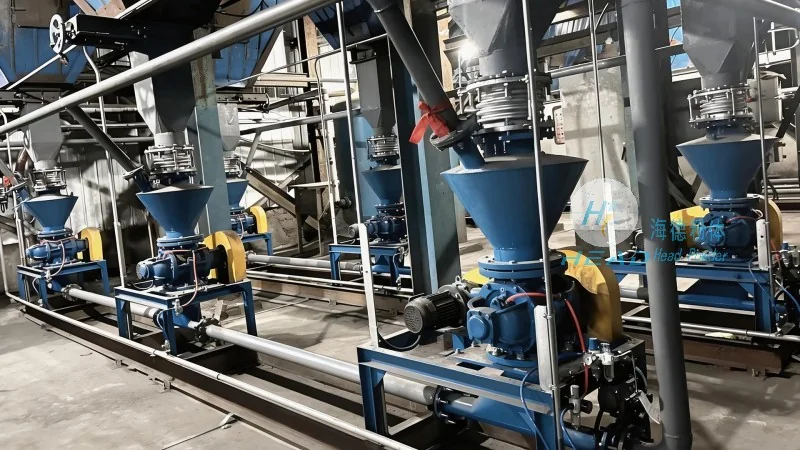
One of the main advantages of pneumatic conveying is its ability to transport material in a closed system, reducing dust emissions and environmental impact. It is also flexible, as the pipeline can be easily reconfigured to change the route of material flow. Additionally, this system can handle materials with high moisture content or corrosive properties, as the material is isolated from external elements.
Nevertheless, pneumatic conveying has limitations. It is generally less efficient for long-distance transport due to energy consumption and pressure drop. The system requires high air pressure, which increases energy costs. Moreover, it may not be suitable for very coarse or heavy materials, as the pipeline can be damaged by abrasive particles. Maintenance of the air compressor and pipeline is also necessary to ensure smooth operation.
A screw conveyor, or auger conveyor, uses a rotating screw to move iron concentrate along a tube or trough. This method is commonly used for short-distance transport and material handling in processing plants.
The screw conveyor offers several advantages, including simplicity and low cost. It requires minimal space and can be installed in a vertical or inclined position to elevate material. The system is also suitable for handling materials with varying particle sizes and can be easily integrated with other equipment like hoppers and feeders.
However, screw conveyors have their disadvantages. They are not suitable for high-capacity transport, as the screw can become overloaded and cause damage. The system is also prone to material bridging, especially for cohesive or sticky materials, which can lead to blockages. Additionally, the screw and trough are subject to wear from abrasive materials, requiring regular maintenance and replacement.
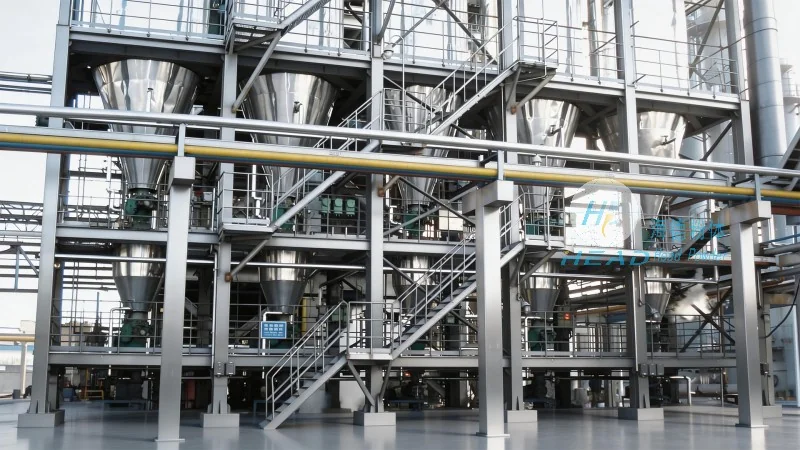
Hydraulic conveying uses water to transport iron concentrate through a pipeline. This method is particularly effective for transporting fine, wet materials over long distances.
One of the key advantages of hydraulic conveying is its high efficiency for long-distance transport, as it can move large volumes of material with relatively low energy consumption. The system is also capable of handling materials with high moisture content, which can be difficult for other methods. Additionally, hydraulic systems can be designed to operate under high pressure, reducing the risk of clogging and improving material flow.
However, hydraulic conveying has significant drawbacks. It requires a large amount of water, which increases operational costs and may lead to environmental concerns. The system is also susceptible to clogging if the material contains large particles or debris. Maintenance of the pump and pipeline is essential to prevent leaks and ensure consistent performance.
A bucket elevator uses a chain or belt with attached buckets to lift iron concentrate vertically or at an incline. This method is commonly used for vertical transport in processing plants.
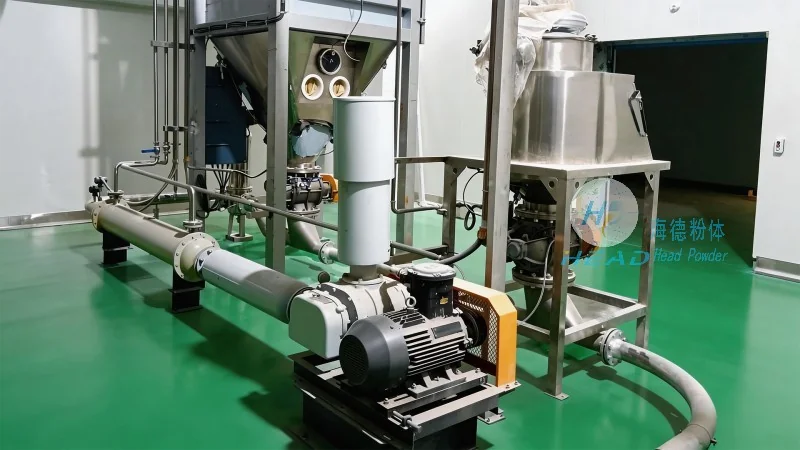
The bucket elevator offers advantages such as high vertical lift capacity and the ability to handle materials with high moisture content. It is also relatively simple to install and maintain, as the buckets are designed to be durable and resistant to wear. The system can be integrated with other equipment like hoppers and feeders to form a complete material handling system.
Nevertheless, bucket elevators have limitations. They are not suitable for high-capacity transport, as the buckets can become overloaded and cause damage. The system is also prone to material spillage at the discharge point, which can lead to loss of material and environmental issues. Additionally, the buckets and chain are subject to wear from abrasive materials, requiring regular inspection and replacement.
When selecting a transportation method for iron concentrate, it is essential to consider several factors, including the material's properties, the distance to be covered, the required capacity, and the budget. Shandong HeadPowder Engineering Co., Ltd. provides customized solutions based on these factors, ensuring that the chosen method meets the specific needs of your operation.
For long-distance and high-volume transport, belt conveyors are often the most cost-effective option. For moderate distances and fine materials, pneumatic conveying is a good choice. Screw conveyors are suitable for short-distance and material handling tasks, while bucket elevators are ideal for vertical transport. Hydraulic conveying can be used for long-distance transport of wet materials, but it requires careful consideration of water usage and maintenance.
By understanding the advantages and disadvantages of each method, you can make an informed decision that maximizes efficiency, reduces costs, and ensures safe operation. Shandong HeadPowder Engineering Co., Ltd. is committed to providing high-quality transportation solutions tailored to your industrial requirements, helping you achieve optimal performance in your iron concentrate handling processes.

 Shandong Headpowder Engineering Co., Ltd.
 156-6277-7102(Manager Zhang)
  0531-83386006
  Zhangqiu District, Jinan City, Shandong Province, China
telephone
WeChatconsult
top