With more than 10‑year industry experience, Shandong Headpowder delivers full‑service pneumatic‑conveying systems and blowers, undertaking nationwide turn‑key powder‑handling projects.
When it comes to the efficient and reliable delivery of plaster powder in construction and finishing applications, selecting the right conveying method is crucial. Various technologies are available, each with its own set of advantages and drawbacks. This article provides a detailed comparison of common plaster powder conveying methods, helping professionals in the industry make informed decisions based on their specific project requirements. The information is presented by Shandong HeadPowder Engineering Co., Ltd., a leading manufacturer in the field, with the company's short name being headpowder.
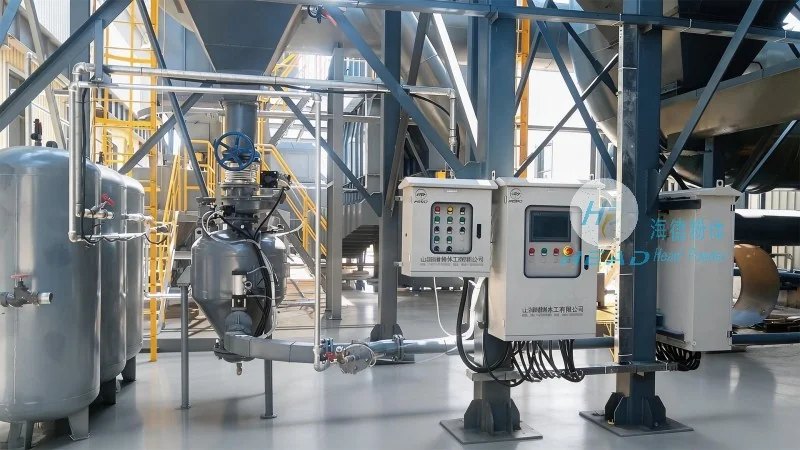
Plaster powder, often used in interior and exterior wall finishing, requires specialized handling due to its fine particle size and potential for dust generation. Conveying systems must be designed to minimize material degradation, ensure consistent flow, and maintain safety standards. The primary methods used in the industry include pneumatic conveying, screw conveyors, and pump-based systems. Each method has distinct characteristics that affect its suitability for different applications.
Pneumatic conveying, also known as air-assisted transport, utilizes compressed air to move plaster powder through a pipeline. This method is popular for its ability to transport materials over long distances and handle large volumes. One of the key advantages is the flexibility in system design, as it can be adapted to various layouts. However, pneumatic systems require significant energy input to maintain air pressure, leading to higher operational costs. Additionally, they are susceptible to clogging if the powder is too fine or contains moisture, which can disrupt the conveying process. The system also needs regular maintenance to prevent air leaks and ensure consistent performance.
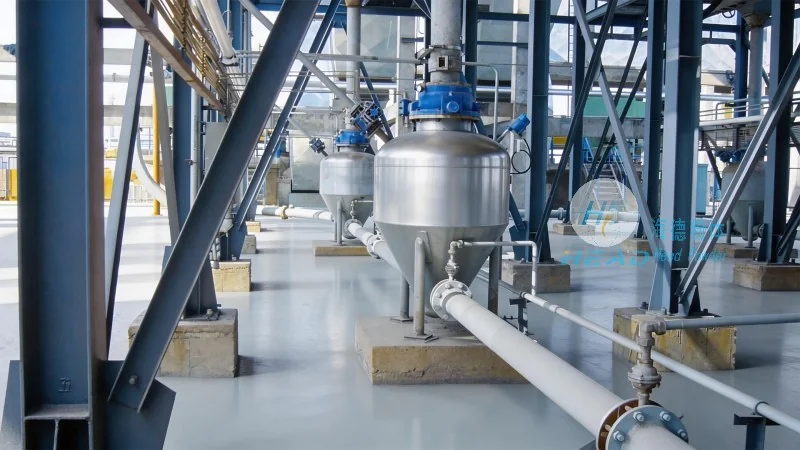
Screw conveyors, or auger conveyors, use a rotating screw to push plaster powder along a trough. This method is widely used for short to medium-distance transport and is particularly effective for handling bulk materials. The primary advantage of screw conveyors is their simplicity and low maintenance requirements. They are generally more cost-effective compared to pneumatic systems, especially for smaller-scale operations. However, screw conveyors have limitations in terms of distance and angle of incline. They are not suitable for long-distance transport and may experience reduced efficiency when conveying materials with high moisture content or sticky properties. The design also needs to account for the risk of material buildup on the screw, which can affect performance over time.
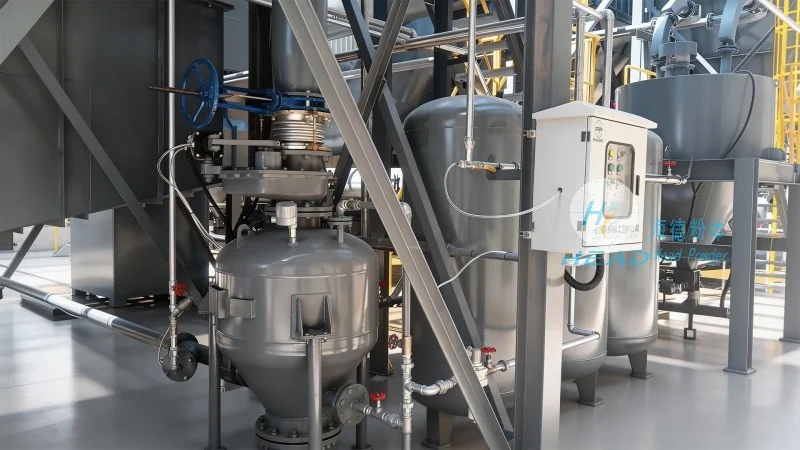
Pump-based systems, such as positive displacement pumps, use mechanical force to move plaster powder through a pipeline. These systems are ideal for applications requiring high pressure and precise control over flow rates. One of the main advantages is the ability to handle high-viscosity or abrasive materials without clogging. They are also suitable for long-distance transport and can maintain consistent pressure throughout the system. However, pump-based conveyors are more complex and expensive to install and maintain compared to other methods. The equipment is prone to wear and tear, especially when dealing with abrasive plaster powders, leading to higher replacement costs. Additionally, they require regular cleaning to prevent material buildup and ensure optimal performance.
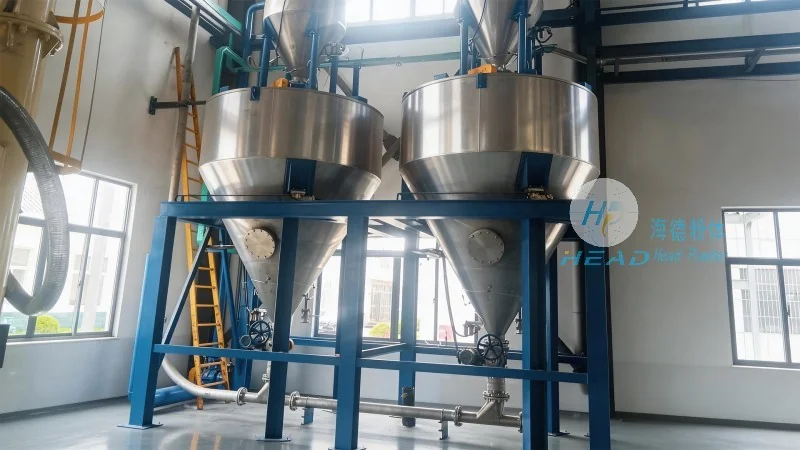
When choosing a plaster powder conveying method, several factors must be considered. The distance and layout of the conveying system, the volume of material to be transported, and the specific properties of the plaster powder are all critical. For short distances and moderate volumes, screw conveyors may be the most economical choice. For long-distance transport or when flexibility is needed, pneumatic systems offer better adaptability. Pump-based systems are preferable for high-pressure applications or when precise control is essential. The choice also depends on the available budget for installation and maintenance, as well as the operational environment and safety considerations. Shandong HeadPowder Engineering Co., Ltd. provides tailored solutions based on these factors, ensuring that clients select the most suitable conveying method for their needs.
Efficient plaster powder conveying is essential for maintaining productivity and quality in construction and finishing projects. By understanding the advantages and disadvantages of different methods, industry professionals can make informed decisions that align with their operational requirements. Pneumatic conveying offers flexibility and long-distance capability but at a higher cost. Screw conveyors provide reliability and cost-effectiveness for shorter distances. Pump-based systems deliver high pressure and precision but require more maintenance. Ultimately, the best choice depends on the specific project needs, budget, and operational constraints. Shandong HeadPowder Engineering Co., Ltd., with its expertise and comprehensive solutions, helps clients navigate these options and implement the most effective conveying system for their plaster powder applications.

 Shandong Headpowder Engineering Co., Ltd.
 156-6277-7102(Manager Zhang)
  0531-83386006
  Zhangqiu District, Jinan City, Shandong Province, China
telephone
WeChatconsult
top