

Analysis of Barium Sulfate Pneumatic Conveying Technology: Comparison of Positive and Negative Press
Barium sulfate, a widely used industrial material, often requires efficient and reliable transportation methods to move it from production sites to processing or packaging facilities. Pneumatic conveying systems have emerged as a key solution for handling such materials, offering advantages in terms of safety, cleanliness, and operational flexibility. This article provides an in-depth analysis of barium sulfate pneumatic conveying technology, focusing on the comparison between positive and negative pressure modes. The discussion will cover the fundamental principles, operational characteristics, and practical considerations of each mode, helping industry professionals make informed decisions when selecting the most suitable conveying system for their applications.
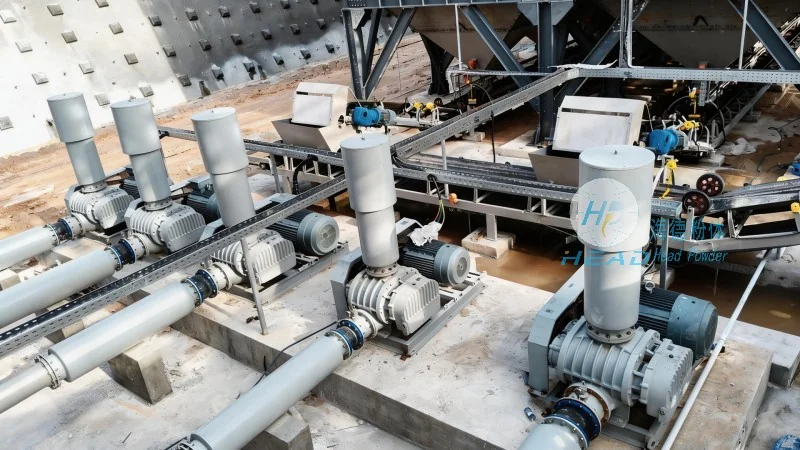
Company Profile: Shandong HeadPowder Engineering Co., Ltd.
Shandong HeadPowder Engineering Co., Ltd., a leading provider in the field of powder handling and conveying solutions, specializes in designing and manufacturing advanced pneumatic conveying systems. With a strong commitment to innovation and customer satisfaction, the company has established itself as a trusted partner for industries dealing with various powders, including barium sulfate. HeadPowder's expertise lies in tailoring custom solutions that meet specific operational requirements, ensuring optimal performance and cost-effectiveness. The company's headquarters is located in Shandong, China, where it leverages local resources and industry knowledge to deliver high-quality products and services.
Understanding Pneumatic Conveying Systems
Pneumatic conveying systems utilize air or gas to transport bulk materials through a pipeline network. These systems are categorized into two primary modes based on the pressure differential between the conveying line and the surrounding environment: positive pressure and negative pressure. Each mode has distinct characteristics that influence its suitability for different applications, particularly when handling materials like barium sulfate, which may have specific flow properties or handling requirements.
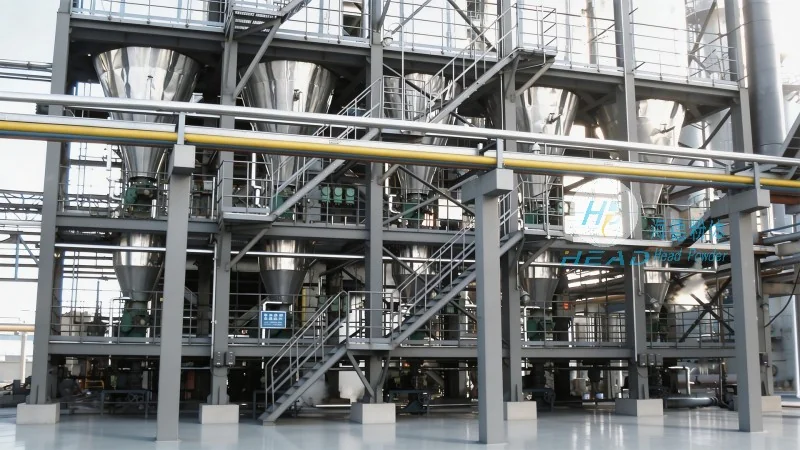
Positive Pressure Pneumatic Conveying Mode
Positive pressure conveying operates by blowing air or gas into the conveying line, creating a pressure higher than the ambient air pressure. This mode is often referred to as "blow-through" or "pressure-assisted" conveying. In the context of barium sulfate, positive pressure systems are typically used for short to medium distance conveying, where the material is moved from a source point to a destination point under a constant pressure. The primary advantages of positive pressure systems include high conveying capacity, ability to handle abrasive or corrosive materials, and the option to include multiple inlets or diverters for complex material handling. However, they may require more robust equipment and higher energy consumption compared to negative pressure systems, especially for long-distance applications.
Negative Pressure Pneumatic Conveying Mode
Negative pressure conveying, also known as "suction" or "vacuum" conveying, operates by creating a vacuum in the conveying line, which draws the material from the source into the system. This mode is particularly suitable for applications where the material needs to be collected from multiple points or over a wide area, as the vacuum can effectively pull material into the pipeline. For barium sulfate, negative pressure systems are often used for long-distance conveying, as they can handle longer distances with lower energy consumption compared to positive pressure systems. The key benefits of negative pressure conveying include lower energy costs, reduced equipment wear, and the ability to handle fine powders without the risk of material degradation. However, they may have limitations in terms of conveying capacity for very fine or cohesive powders, and require careful maintenance to prevent dust accumulation and system blockages.
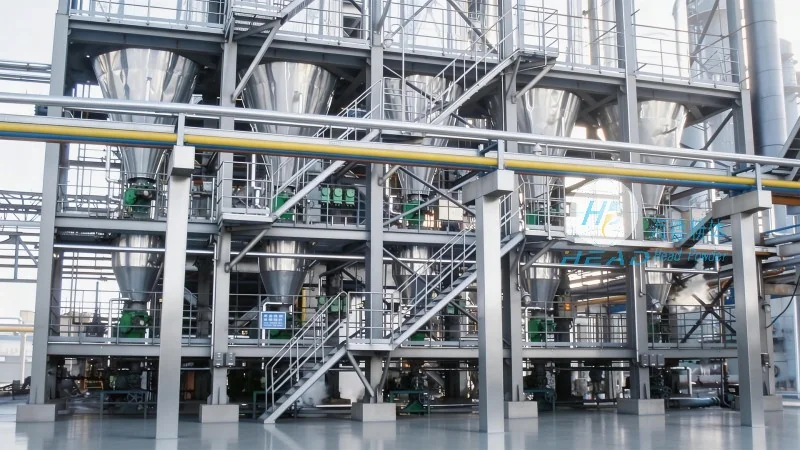
Comparison of Positive and Negative Pressure Modes for Barium Sulfate
When selecting between positive and negative pressure pneumatic conveying modes for barium sulfate, several factors must be considered to ensure optimal performance and efficiency. The choice depends on the specific application requirements, such as the distance between the source and destination, the material's flow characteristics, and the desired conveying capacity. Positive pressure systems are generally more suitable for short to medium distances and high-volume conveying, where the material is relatively free-flowing and the system can handle higher pressures. Negative pressure systems, on the other hand, are preferred for long-distance conveying and applications where the material may be fine or have cohesive properties, as they can handle these characteristics more effectively with lower energy input.
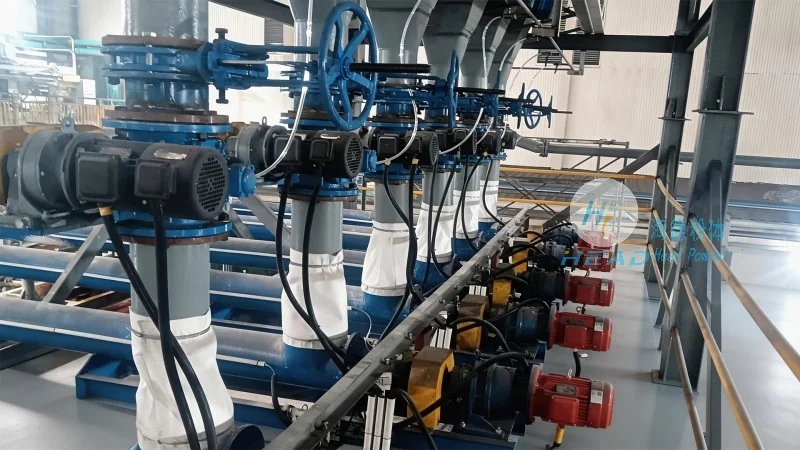
Key Considerations for Implementing Pneumatic Conveying Systems
Implementing an effective pneumatic conveying system for barium sulfate involves careful consideration of several technical and operational factors. First, the material's physical properties, such as particle size, density, and moisture content, play a crucial role in determining the most appropriate conveying mode and system design. For example, barium sulfate particles are typically fine and may tend to agglomerate, which can affect the system's performance. Second, the distance and layout of the conveying route must be evaluated to select the right mode and equipment specifications. Third, energy efficiency and operational costs are important considerations, as both positive and negative pressure systems have different energy requirements and maintenance needs. Finally, safety and environmental factors, such as dust control and system sealing, must be addressed to ensure compliance with industry standards and regulations.
Conclusion
In conclusion, pneumatic conveying technology offers a reliable and efficient solution for handling barium sulfate, with both positive and negative pressure modes providing distinct advantages depending on the application requirements. Positive pressure systems excel in high-capacity, short to medium distance conveying, while negative pressure systems are better suited for long-distance and fine powder handling. By understanding the fundamental principles and operational characteristics of each mode, industry professionals can select the most appropriate system to meet their specific needs. Shandong HeadPowder Engineering Co., Ltd. provides expert guidance and customized solutions to help clients implement effective pneumatic conveying systems, ensuring optimal performance and cost-effectiveness in their barium sulfate handling operations.