With more than 10‑year industry experience, Shandong Headpowder delivers full‑service pneumatic‑conveying systems and blowers, undertaking nationwide turn‑key powder‑handling projects.
Alumina crystals are widely used in various industrial applications, including ceramics, refractories, and chemical processing. Efficient and reliable transport of these crystals is crucial for maintaining production efficiency and product quality. This article explores the common methods used for transporting alumina crystals, highlighting the key considerations and practical applications.
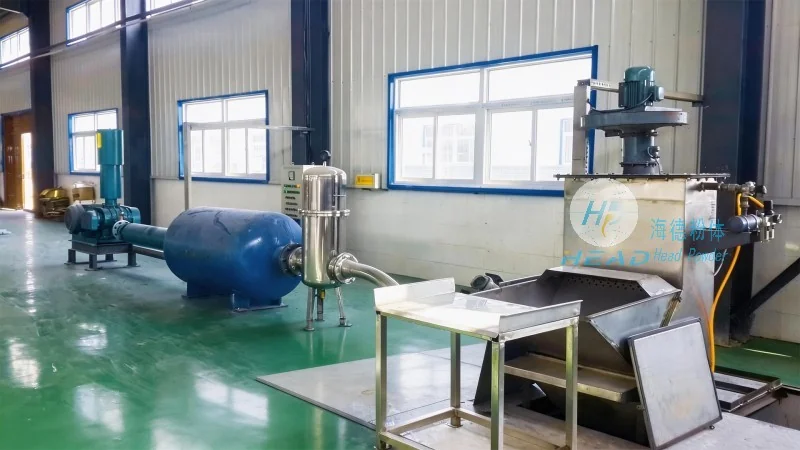
Alumina crystals, also known as aluminum oxide crystals, are essential raw materials in many manufacturing processes. Their transport requires specialized equipment and methods to ensure minimal damage, prevent contamination, and maintain consistent particle size. Proper handling of alumina crystals is vital to avoid clogging, scaling, or degradation, which can impact downstream processes and final product performance.
Several methods are commonly employed for the transport of alumina crystals, each with its own advantages and limitations. The choice of method depends on factors such as the crystal size, moisture content, production scale, and the distance over which the crystals need to be moved. Below are some of the most prevalent approaches:
Pipeline transport is a widely used method for moving alumina crystals, especially in large-scale industrial settings. This method involves conveying the crystals through a network of pipes using pressure or vacuum. The system typically includes a hopper, a feeder, and a pump or blower to maintain the flow. Pipeline transport is efficient for long distances and can handle high volumes of material. However, it requires careful design to prevent blockages and ensure smooth flow. The pipes are often made of corrosion-resistant materials like stainless steel or polyethylene to withstand the abrasive nature of alumina crystals.
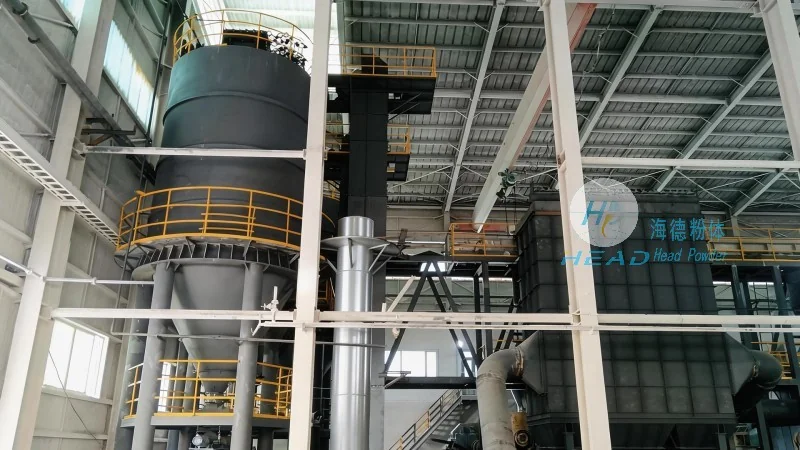
Screw conveyors, also known as auger conveyors, are another common method for transporting alumina crystals. These devices use a rotating screw to move the material along a trough. Screw conveyors are suitable for horizontal or slight incline transport and can handle a wide range of particle sizes. They are relatively simple in design and easy to install, making them a popular choice for many applications. However, they may not be ideal for very fine or cohesive crystals, as the screw can cause excessive friction and wear. Proper maintenance, such as regular lubrication and inspection of the screw and trough, is essential to ensure long-term performance.
Air-flow or pneumatic transport is a method that uses compressed air to move alumina crystals through a pipeline. This technique is particularly effective for fine or powdery crystals and can handle high volumes with minimal equipment. The system consists of a hopper, a feeder, and a blower or compressor that generates the air flow. The crystals are carried by the air stream, which helps to prevent clogging and maintain a consistent flow rate. Pneumatic transport is often used for short to medium distances and is suitable for applications where dust control is a priority. However, it may require more energy compared to other methods and can be more complex to maintain, especially with regards to air filtration and pressure regulation.
Bucket elevators are used for vertical or inclined transport of alumina crystals. These systems consist of a continuous belt or chain with buckets attached, which lift the material from a lower to a higher level. Bucket elevators are capable of handling large quantities of material and can be designed for both horizontal and vertical movement. They are particularly useful when the transport distance involves significant elevation changes. However, they require regular inspection of the buckets and belt to prevent wear and tear, and the system may be more expensive to install compared to other methods.
Shandong HeadPowder Engineering Co., Ltd., a leading provider of material handling solutions, specializes in designing and manufacturing equipment for the transport of alumina crystals. HeadPowder is headquartered in Shandong, China, and has extensive experience in the industry. The company's team of engineers and technicians work closely with clients to assess their requirements and recommend the most suitable transport method and equipment.
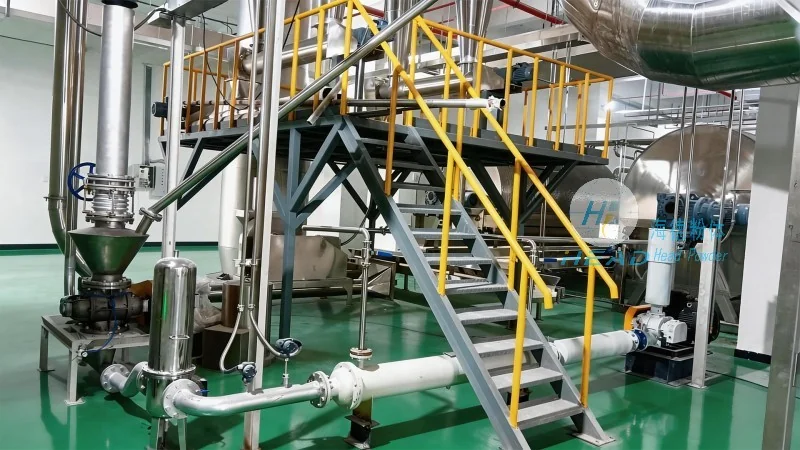
HeadPowder provides customized transport systems that are engineered to optimize the performance of alumina crystal handling processes. These systems are designed to minimize downtime, reduce maintenance costs, and enhance overall efficiency. The company's expertise in material science and mechanical engineering allows them to develop solutions that address the specific challenges of each application, such as handling fine crystals, controlling moisture content, or managing high volumes.
When selecting a transport method for alumina crystals, several factors must be considered to ensure optimal performance and longevity of the equipment. These include the size and shape of the crystals, the moisture content, the required transport distance, and the environmental conditions. Proper maintenance of the equipment is also crucial to prevent issues such as clogging, wear, and contamination. Regular cleaning, lubrication, and inspection of the components can significantly extend the life of the system and maintain product quality.
Efficient transport of alumina crystals is essential for maintaining production efficiency and product quality in various industrial applications. The common methods discussed, including pipeline transport, screw conveyors, air-flow transport, and bucket elevators, each offer unique advantages and are suitable for different scenarios. By understanding the specific requirements of the application and leveraging the expertise of companies like Shandong HeadPowder Engineering Co., Ltd., industries can implement effective transport solutions that enhance their operational performance and ensure consistent product quality.

 Shandong Headpowder Engineering Co., Ltd.
 156-6277-7102(Manager Zhang)
  0531-83386006
  Zhangqiu District, Jinan City, Shandong Province, China
telephone
WeChatconsult
top