With more than 10‑year industry experience, Shandong Headpowder delivers full‑service pneumatic‑conveying systems and blowers, undertaking nationwide turn‑key powder‑handling projects.
When it comes to pneumatic conveying of coke particles, selecting the right system—whether positive pressure or negative pressure—is crucial for efficiency, cost-effectiveness, and operational safety. This article explores the key differences between these two methods and provides guidance on how to choose the appropriate one for your specific needs.
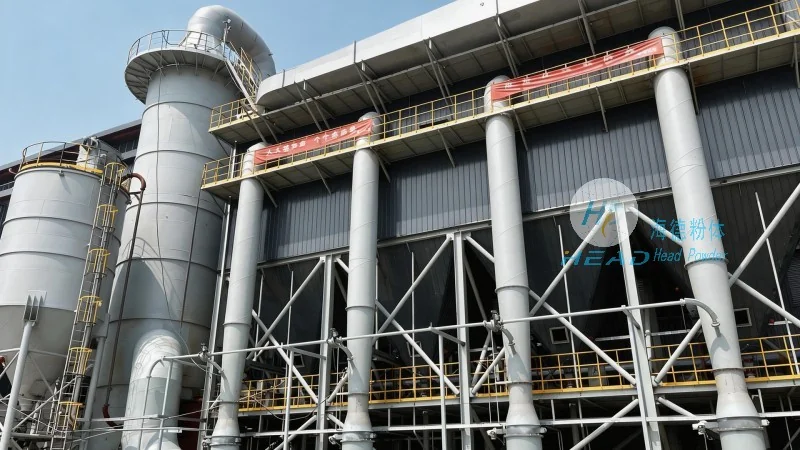
Pneumatic conveying is a widely used technique for transporting bulk materials like coke particles through a pipeline using air or gas as the conveying medium. The choice between positive pressure and negative pressure systems depends on factors such as material properties, distance, and the desired level of control over the conveying process.
Positive pressure systems operate by blowing air or gas into the conveying line, creating a pressure higher than the ambient air pressure. This method pushes the material forward through the pipeline. The system typically includes a blower or compressor at the inlet, a hopper to feed the material, and a receiver at the discharge end. Positive pressure systems are generally more suitable for longer distances and can handle a wider range of materials, including those with higher moisture content or abrasive properties. They also offer better control over the material flow rate and can be more efficient for high-volume applications.
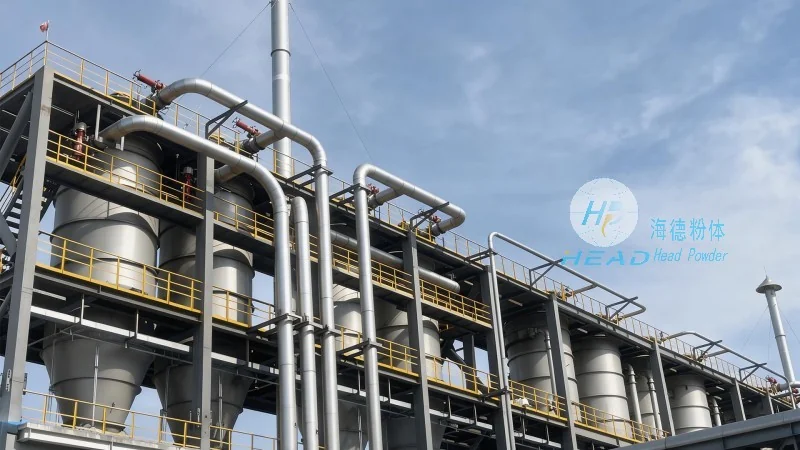
Negative pressure systems, also known as vacuum systems, create a pressure lower than the ambient air pressure by using a vacuum pump or fan at the discharge end. This draws the material into the pipeline and moves it toward the receiver. Negative pressure systems are often preferred for shorter distances and when the material is to be transported from a single source to a single destination. They are particularly effective for handling materials that are dusty or have a tendency to create dust, as the system can help contain particulate matter. However, they may be less efficient for long-distance or high-volume transport due to the energy required to maintain the vacuum.
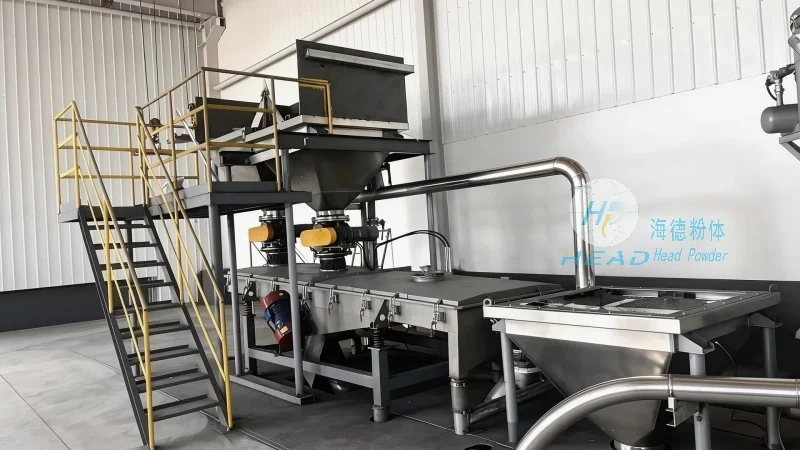
Several key factors can help in distinguishing between positive and negative pressure pneumatic conveying systems:
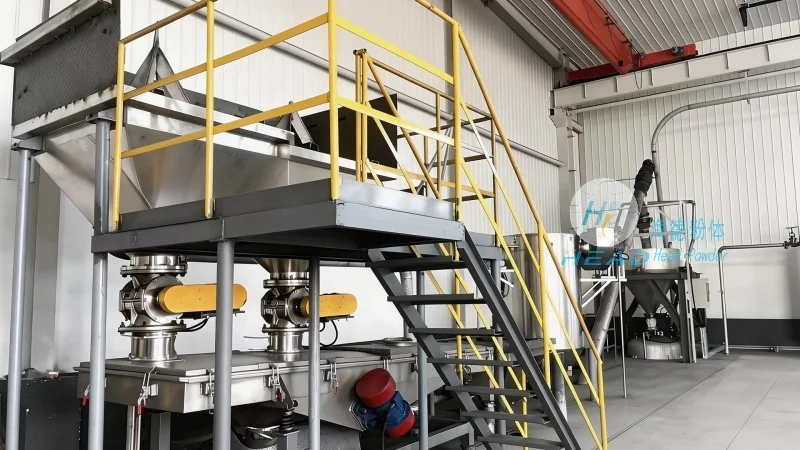
For coke particle applications, the decision between positive and negative pressure systems should be based on the specific operational requirements. If the plant requires transporting coke over a long distance or handling high volumes, a positive pressure system may be more cost-effective and efficient. Conversely, if the application involves short-distance transport or a need to minimize dust exposure, a negative pressure system could be the better choice. It is also important to consider the material's properties, such as its density, moisture content, and tendency to agglomerate, as these can influence the system's performance and suitability.
Shandong HeadPowder Engineering Co., Ltd. is a leading provider of pneumatic conveying solutions, specializing in the design and implementation of systems tailored to the needs of industrial clients. With years of experience in the field, HeadPowder offers expertise in both positive and negative pressure systems, ensuring that clients receive the most appropriate solution for their coke particle conveying challenges. The company's headquarters is located in Shandong, China, where it continues to innovate and deliver high-quality engineering services to the industry.

 Shandong Headpowder Engineering Co., Ltd.
 156-6277-7102(Manager Zhang)
  0531-83386006
  Zhangqiu District, Jinan City, Shandong Province, China
telephone
WeChatconsult
top