

Choosing Between Positive Pressure and Negative Pressure for Aerodynamic Transport of Porous Sand?
When handling porous sand, selecting the appropriate aerodynamic transport system is crucial for efficiency and operational success. Two primary methods are widely used: positive pressure and negative pressure systems. Each has distinct characteristics, advantages, and ideal applications, making it essential to understand the differences to choose the best solution for your specific needs.
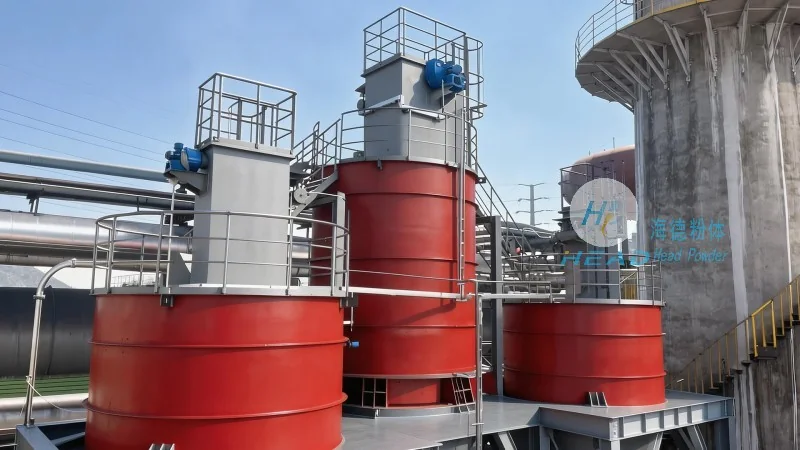
Understanding Positive Pressure Systems for Porous Sand
Positive pressure systems operate by blowing air or gas into the material to create a flow. This method is often preferred for transporting porous sand over longer distances or through complex networks with multiple branches. The pressurized air pushes the sand particles forward, ensuring consistent material movement. A key advantage of positive pressure is its ability to handle abrasive or heavy materials, as the force applied is directed by the system's design. However, it may require more energy and can generate more dust, which needs proper containment measures.
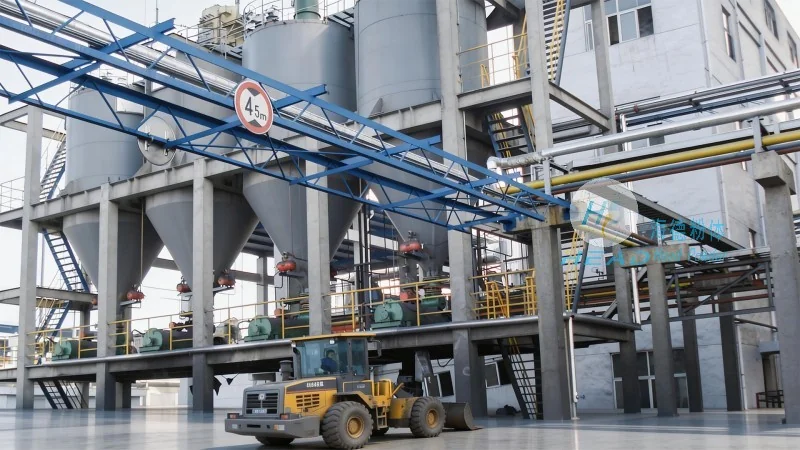
Understanding Negative Pressure Systems for Porous Sand
Negative pressure systems, also known as suction systems, work by creating a vacuum to draw material into the transport line. This approach is typically used for shorter distances or in cleaner environments where dust control is a priority. The vacuum pulls the sand particles into the system, reducing the need for high-pressure air. Negative pressure systems are often quieter and less energy-intensive compared to positive pressure, making them suitable for indoor or sensitive applications. However, they may struggle with very fine or lightweight particles and can be less effective over long distances.
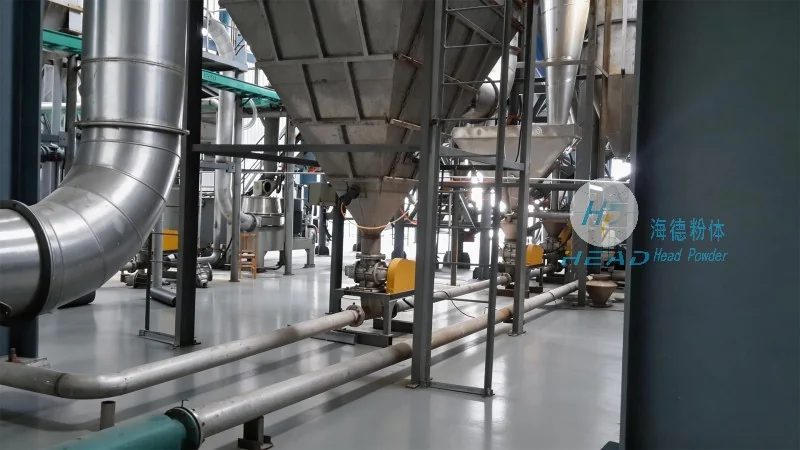
Key Factors to Consider When Choosing Between Systems
Several factors influence the choice between positive and negative pressure systems for porous sand. The first is the distance and layout of the transport line. Longer distances or complex networks with multiple branches often favor positive pressure due to its ability to maintain flow without significant pressure loss. Conversely, shorter distances or applications requiring minimal dust generation may lean towards negative pressure. The characteristics of the porous sand itself are also critical: particle size, density, and moisture content affect how easily the material can be moved. For example, finer or more cohesive sand may require higher air velocities in positive pressure systems, while negative pressure might need additional filtration to prevent clogging. Additionally, the available space and environmental regulations play a role. Positive pressure systems may need more robust containment to prevent dust emissions, whereas negative pressure systems are better suited for enclosed spaces.
Application Examples and Practical Considerations
Real-world applications provide insight into the effectiveness of each system. In a large-scale construction site, a positive pressure system might be used to transport porous sand from a quarry to a mixing plant over several kilometers, with multiple branches feeding different mixing units. The high pressure ensures the sand reaches all destinations without clogging. In contrast, a negative pressure system could be employed in a laboratory setting where fine porous sand is being handled for research, requiring a clean environment and minimal disturbance. The choice also depends on the existing infrastructure: if the facility already has a compressed air system, a positive pressure setup might be more straightforward, while a negative pressure system could be integrated with existing vacuum equipment.
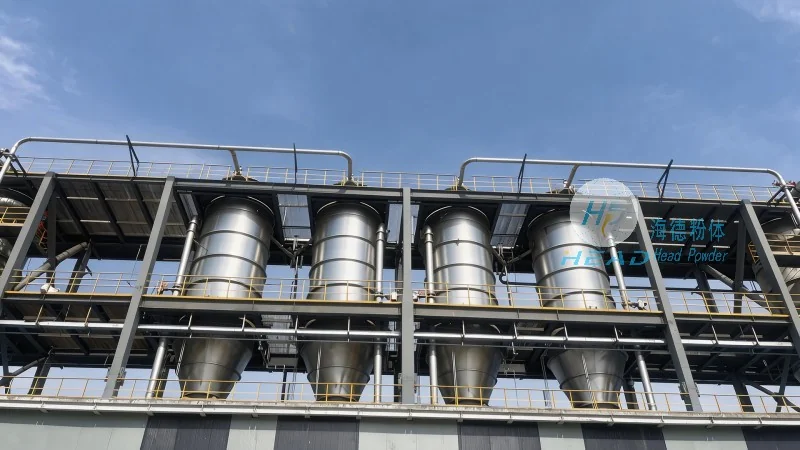
Conclusion: Making the Right Choice for Your Porous Sand Handling Needs
Ultimately, the decision between positive and negative pressure systems for porous sand depends on a combination of operational requirements, material characteristics, and environmental considerations. Positive pressure offers robustness and efficiency for long-distance or complex transport, while negative pressure excels in clean environments and shorter distances. By evaluating these factors, businesses can select the most suitable system to optimize their porous sand handling processes. Shandong HeadPowder Engineering Co., Ltd., with its expertise in aerodynamic transport solutions, can provide tailored advice and systems to meet these specific needs, ensuring efficient and reliable material movement.