

Choosing Between Positive Pressure and Negative Pressure for Foundry Sand Pneumatic Conveying: How t
When it comes to transporting foundry sand using pneumatic conveying systems, the choice between positive pressure and negative pressure methods is a critical decision for manufacturers. Both approaches offer unique advantages and are suitable for different operational requirements. Understanding the fundamental differences between these two systems is essential for selecting the most efficient and cost-effective solution for your foundry sand handling needs.
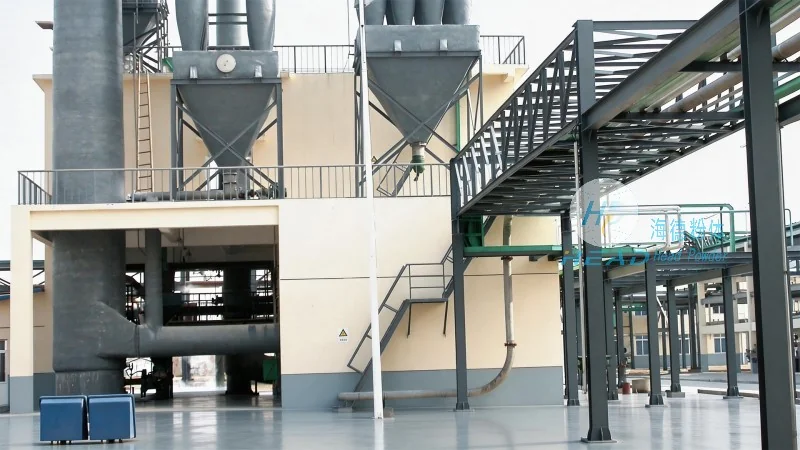
Introduction to Pneumatic Conveying for Foundry Sand
Pneumatic conveying is a widely used method for transporting bulk materials like foundry sand, which are often abrasive and require careful handling to prevent equipment wear and material degradation. The process involves moving material through a pipeline using air or gas as the conveying medium. This method offers advantages such as reduced labor costs, improved safety by eliminating manual handling, and the ability to transport materials over long distances without the need for intermediate storage.
Positive Pressure Pneumatic Conveying Systems
Positive pressure systems operate by blowing air or gas into the material to be conveyed, creating a pressure higher than the ambient air pressure. The material is then drawn along the pipeline by the pressure differential. This method is often preferred for applications where the material is to be conveyed over long distances or through complex piping networks. The primary advantage of positive pressure systems is their ability to handle high material loads and maintain consistent flow rates, even with varying material properties.
For foundry sand applications, positive pressure systems are particularly effective when dealing with large volumes of sand that need to be transported from a central storage area to multiple processing points. The high pressure ensures that the sand moves efficiently through the pipeline, minimizing the risk of blockages or material buildup. Additionally, positive pressure systems can be designed to handle abrasive materials like foundry sand without excessive wear on the equipment, thanks to robust construction and specialized components.
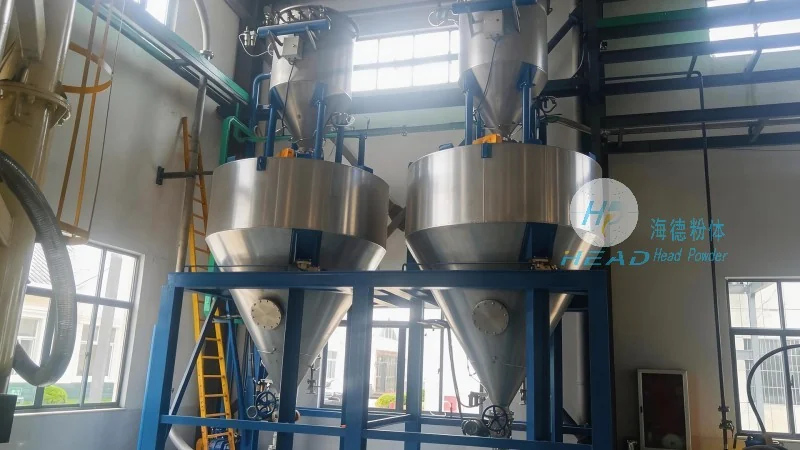
Negative Pressure Pneumatic Conveying Systems
Negative pressure systems, also known as vacuum systems, work by creating a vacuum in the pipeline, which draws the material from the source into the system. The material is then carried along the pipeline by the pressure difference between the vacuum and the ambient air. This approach is typically used for shorter conveying distances and for applications where the material needs to be collected from multiple points and transported to a central location.
In the context of foundry sand handling, negative pressure systems are suitable for scenarios where the sand is generated at various points in the foundry and needs to be collected and transported to a central storage or processing unit. The vacuum created helps in drawing the sand from different sources without the need for mechanical feeders at each point. However, negative pressure systems may be less efficient for long-distance transport due to the energy required to maintain the vacuum and the potential for material degradation if the system is not properly maintained.
Distinguishing Between Positive and Negative Pressure Systems
The key difference between positive and negative pressure pneumatic conveying systems lies in the direction of air flow and the pressure differential. Positive pressure systems use an external air source to push material through the pipeline, while negative pressure systems use a vacuum to pull material into the system. This fundamental difference affects the system design, energy consumption, and operational requirements.
From an operational perspective, positive pressure systems are generally more suitable for high-volume, long-distance transport and for materials that are prone to bridging or clogging. They require a robust air compressor and a well-designed pipeline to maintain consistent pressure. Negative pressure systems, on the other hand, are better suited for short-distance transport and for applications where the material is to be collected from multiple points. They rely on a vacuum pump and may require additional equipment to prevent dust emissions and maintain air quality.
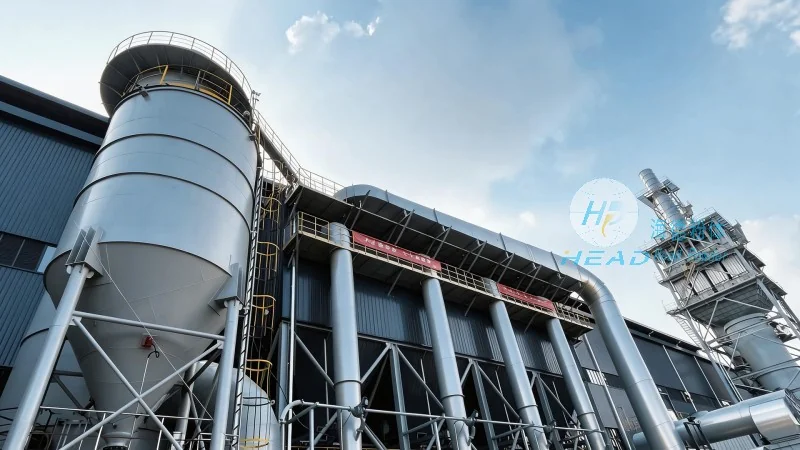
Factors to Consider When Choosing a System
When deciding between positive and negative pressure pneumatic conveying for foundry sand, several factors should be considered. These include the distance between the source and destination, the volume of material to be transported, the material properties (such as particle size, moisture content, and abrasiveness), and the available space for system installation. Additionally, the cost of equipment, energy consumption, and maintenance requirements should be evaluated to ensure the chosen system meets both operational and financial objectives.
For foundry sand applications, positive pressure systems are often preferred for large-scale operations where high material throughput is required. The ability to handle abrasive materials and maintain consistent flow rates makes them ideal for foundry environments where efficiency and durability are critical. Negative pressure systems may be more appropriate for smaller-scale operations or for applications where the sand is generated in multiple locations and needs to be collected centrally.
Conclusion
Choosing between positive pressure and negative pressure pneumatic conveying for foundry sand depends on the specific requirements of the foundry operation. Positive pressure systems offer advantages in terms of high material capacity and long-distance transport, while negative pressure systems are better suited for short-distance collection and multiple source points. By understanding the operational characteristics and material properties, foundry manufacturers can select the most suitable pneumatic conveying system to optimize their sand handling processes and improve overall productivity.