With more than 10‑year industry experience, Shandong Headpowder delivers full‑service pneumatic‑conveying systems and blowers, undertaking nationwide turn‑key powder‑handling projects.
When it comes to starch pneumatic conveying systems, the choice between positive pressure and negative pressure methods is a critical decision that impacts operational efficiency, cost, and system reliability. Understanding the fundamental differences between these two approaches is essential for selecting the most suitable solution for starch handling applications. This article provides a comprehensive guide to help you make an informed choice by outlining the key characteristics, advantages, and practical considerations of both positive and negative pressure conveying systems.
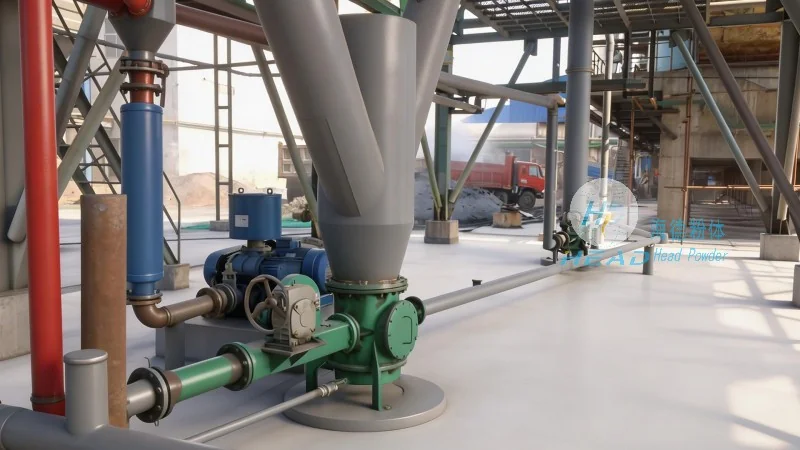
Starch, a widely used raw material in various industries such as food, pharmaceuticals, and chemical manufacturing, requires efficient and reliable transportation methods to move it from storage to processing units. Pneumatic conveying offers a flexible and effective solution for this purpose, utilizing air or gas to transport bulk materials like starch through a pipeline network. The two primary types of pneumatic conveying systems are positive pressure and negative pressure, each with distinct operational principles and applications.
Positive pressure conveying systems operate by blowing air or gas into the conveying line, creating a pressure higher than the ambient air pressure. This method pushes the material forward through the pipeline. In the context of starch handling, positive pressure systems are often preferred for applications requiring high material throughput, long-distance transport, or the need to convey materials from multiple sources to a central processing facility. The primary advantage of positive pressure systems is their ability to handle a wide range of material properties, including abrasive or sticky starch products, without causing excessive wear or blockages. Additionally, these systems can be designed with multiple inlets and outlets, allowing for complex material routing and integration with existing plant infrastructure.
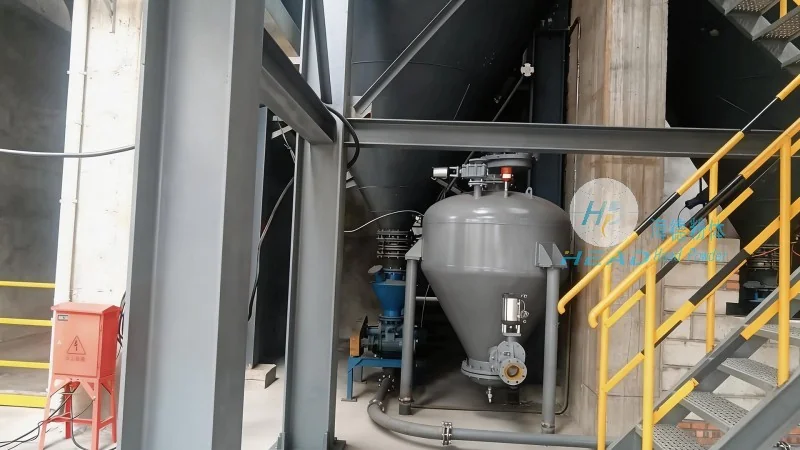
Negative pressure conveying systems, on the other hand, create a vacuum or reduced pressure within the conveying line, drawing the material into the system. This approach is typically used for applications where the material is to be collected from a single source or where the system is designed to minimize dust emissions and maintain a clean environment. Negative pressure systems are particularly suitable for handling fine or powdery starch products, as the vacuum helps to prevent material loss and maintain consistent flow rates. However, these systems may have limitations in terms of material throughput and are generally more suitable for shorter transport distances compared to positive pressure systems.
Several key factors can help in differentiating between positive and negative pressure pneumatic conveying systems. First, consider the direction of material movement: positive pressure systems push material forward, while negative pressure systems pull material into the system. Second, evaluate the system's impact on the environment: positive pressure systems may release more air into the atmosphere, potentially requiring additional filtration, whereas negative pressure systems are more enclosed and can help contain dust and particulate matter. Third, assess the material properties and handling requirements: positive pressure systems are better suited for abrasive or sticky materials, while negative pressure systems excel with fine powders that require minimal air leakage. Finally, consider the system's scalability and integration capabilities: positive pressure systems can be easily expanded to accommodate increased material volumes or additional conveying points, whereas negative pressure systems may have more constraints in terms of system expansion.
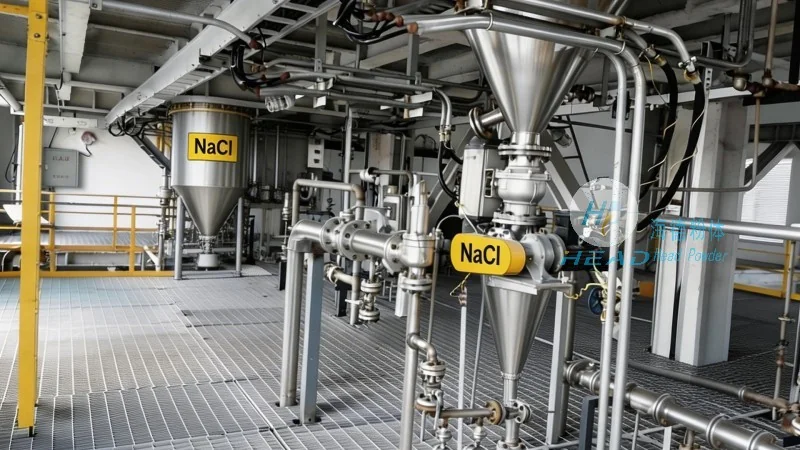
When deciding between positive and negative pressure pneumatic conveying for starch applications, several practical factors should be taken into account. The first consideration is the distance and layout of the conveying route. Positive pressure systems are generally more effective for longer distances, as the pressure can be maintained throughout the pipeline without significant losses. In contrast, negative pressure systems are better suited for shorter distances due to the limitations of maintaining a consistent vacuum over longer lengths. Another critical factor is the material's physical characteristics, such as particle size, moisture content, and flowability. Starch with high moisture content or fine particles may require a system that can handle these properties without clogging or degradation. Additionally, the environmental regulations and safety requirements of the facility should be considered, as both positive and negative pressure systems have specific emission and dust control measures that must be adhered to.
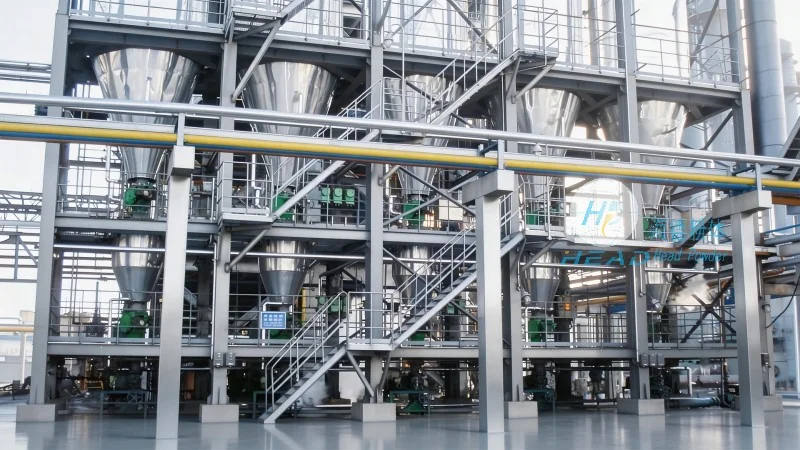
Shandong HeadPowder Engineering Co., Ltd., a leading manufacturer of starch processing equipment, has successfully implemented a positive pressure pneumatic conveying system for a large-scale starch production facility. The system was designed to transport starch from storage silos to the processing plant over a distance of 500 meters, with a required throughput of 100 tons per hour. The positive pressure system utilized high-efficiency blowers and a robust pipeline network, ensuring consistent material flow and minimal downtime. The system's ability to handle abrasive starch particles and maintain high throughput made it an ideal choice for this application. The project demonstrated the effectiveness of positive pressure conveying in large-scale starch processing, highlighting its advantages in terms of operational efficiency and system reliability.
Choosing between positive and negative pressure pneumatic conveying systems for starch applications requires a thorough evaluation of operational needs, material properties, and system requirements. Positive pressure systems offer flexibility, high throughput, and suitability for long-distance transport, while negative pressure systems excel in dust control and handling fine powders. By carefully considering the factors outlined in this article, including the distance of the conveying route, material characteristics, and environmental regulations, you can select the most appropriate system for your starch processing needs. Whether you opt for a positive or negative pressure solution, investing in a well-designed pneumatic conveying system can significantly enhance the efficiency and reliability of your starch handling operations. Shandong HeadPowder Engineering Co., Ltd. specializes in providing customized pneumatic conveying solutions tailored to the specific requirements of starch processing facilities, ensuring optimal performance and long-term operational success.

 Shandong Headpowder Engineering Co., Ltd.
 156-6277-7102(Manager Zhang)
  0531-83386006
  Zhangqiu District, Jinan City, Shandong Province, China
telephone
WeChatconsult
top