

Several Solutions for Pneumatic Conveying of Synthetic Rubber
Shandong HeadPowder Engineering Co., Ltd., a leading provider in the field, specializes in advanced solutions for the pneumatic conveying of synthetic rubber. With a focus on efficiency and reliability, the company offers tailored systems that address the unique challenges associated with handling synthetic rubber materials. This article explores several effective approaches to pneumatic conveying of synthetic rubber, highlighting the technical aspects and practical applications of each solution.
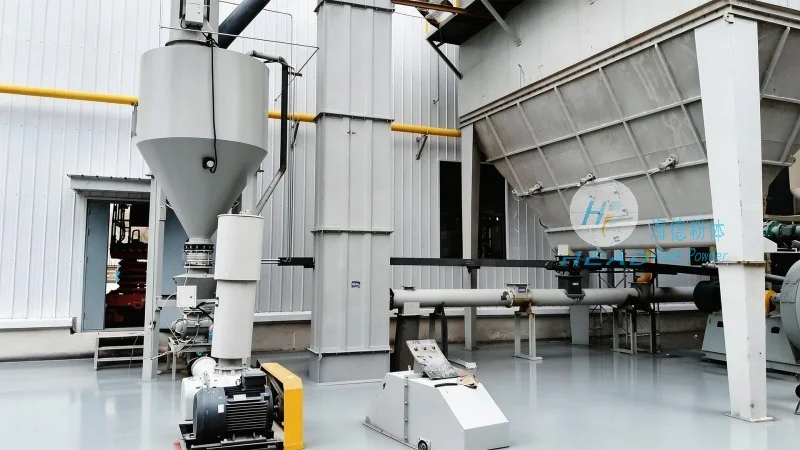
Pneumatic Conveying Systems for Synthetic Rubber: An Overview
Before delving into specific solutions, it is essential to understand the fundamental principles of pneumatic conveying. Pneumatic conveying involves the transport of bulk materials, such as synthetic rubber, using air or gas as the conveying medium. This method offers several advantages over traditional mechanical conveying, including reduced equipment wear, lower energy consumption, and improved material handling safety. For synthetic rubber, which can be abrasive and sensitive to temperature changes, selecting the right pneumatic conveying system is crucial for maintaining material integrity and operational efficiency.
Solution 1: Dilute Phase Pneumatic Conveying
Dilute phase pneumatic conveying is a widely used method for transporting synthetic rubber, particularly in applications requiring long-distance or high-volume transport. This system operates by introducing the rubber particles into a high-velocity air stream, which carries the material through the pipeline. The key components of a dilute phase system include a feed hopper, a rotary valve, a conveying line, and a receiver. The air velocity is typically maintained at a level that ensures the particles remain suspended in the air, preventing clogging and ensuring smooth transport. For synthetic rubber, this method is effective for materials with a particle size range of 0.1 to 5 mm, and it can achieve conveying distances of up to several kilometers. The system is particularly suitable for applications where the rubber is to be mixed with other materials or processed further after transport.
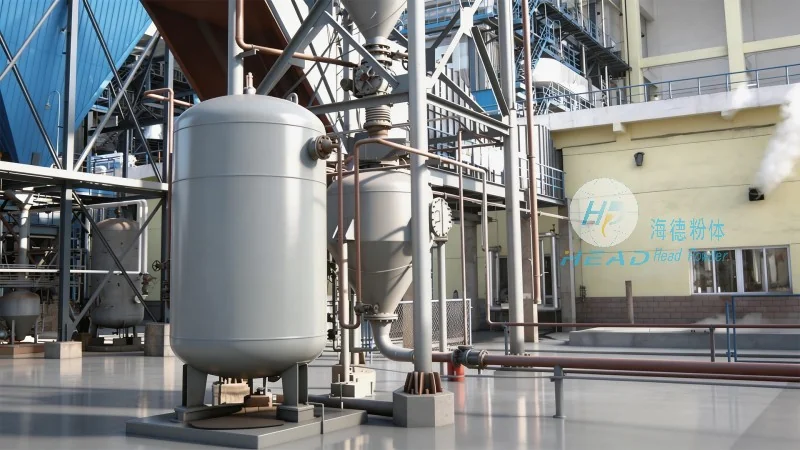
Solution 2: Dense Phase Pneumatic Conveying
Dense phase pneumatic conveying, also known as low velocity conveying, is another effective solution for synthetic rubber handling. Unlike dilute phase systems, dense phase systems operate at lower air velocities, which results in a higher concentration of material in the conveying line. This method is ideal for transporting sensitive materials that are prone to degradation or damage from high-velocity air flow. The dense phase system uses a positive displacement blower or a rotary lobe pump to create a pressure differential, which moves the rubber particles through the pipeline. The lower velocity reduces the risk of particle attrition and maintains the material's quality. This solution is commonly used for short to medium distance transport, typically up to a few hundred meters, and is suitable for applications where the rubber needs to be delivered to a specific location without significant degradation.
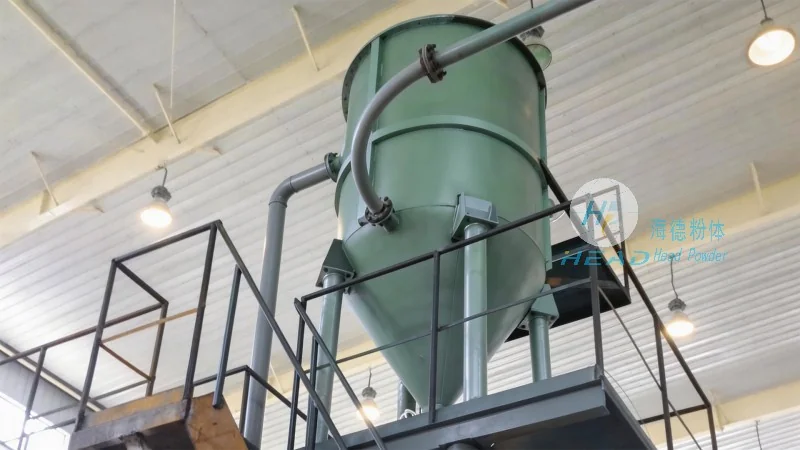
Solution 3: Hybrid Pneumatic Conveying Systems
Hybrid pneumatic conveying systems combine the features of both dilute and dense phase systems, offering a versatile solution for various synthetic rubber applications. These systems are designed to handle a wide range of particle sizes and conveying distances, making them suitable for complex material handling processes. A hybrid system typically includes a combination of components, such as a rotary valve, a positive displacement blower, and a conveying line with adjustable air velocity controls. The system can switch between dilute and dense phase modes depending on the material characteristics and transport requirements. For synthetic rubber, hybrid systems are particularly useful in applications where the material needs to be transported over long distances while maintaining its quality, or where the system needs to handle varying material loads. The flexibility of hybrid systems allows for optimized performance and reduced operational costs.
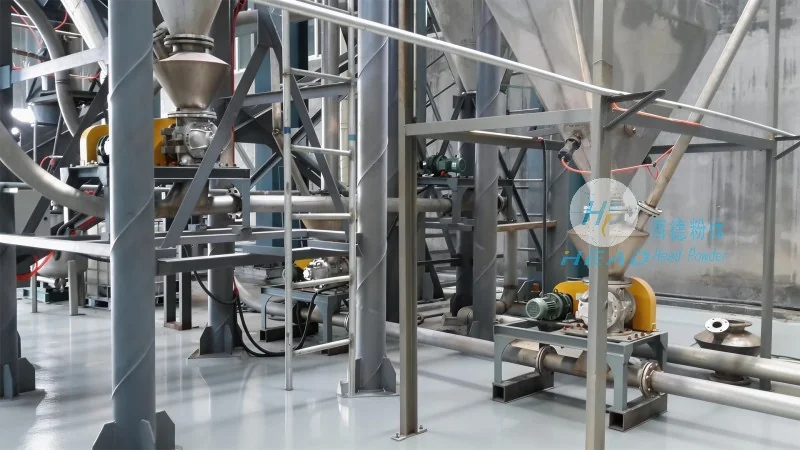
Key Considerations for Synthetic Rubber Pneumatic Conveying
When implementing pneumatic conveying systems for synthetic rubber, several factors must be considered to ensure optimal performance and material integrity. First, the material's physical properties, such as particle size, density, and moisture content, play a critical role in selecting the appropriate conveying method. Synthetic rubber particles can vary significantly in size and shape, which affects the air flow and pressure requirements. Second, the system's design must account for the material's temperature sensitivity. High temperatures can cause the rubber to degrade or melt, while low temperatures may lead to material clogging. Therefore, temperature control and monitoring are essential components of the conveying system. Third, the choice of pipeline material and internal surface finish is crucial for preventing material buildup and ensuring smooth transport. Stainless steel or special coatings are often used to minimize friction and maintain the material's quality. Finally, the system's maintenance and operational protocols must be carefully planned to ensure consistent performance and minimize downtime.
Conclusion: Choosing the Right Pneumatic Conveying Solution for Synthetic Rubber
Shandong HeadPowder Engineering Co., Ltd. provides comprehensive solutions for the pneumatic conveying of synthetic rubber, catering to the diverse needs of various industries. Whether it's dilute phase, dense phase, or hybrid systems, the company's expertise ensures that the selected solution meets the specific requirements of the application. By considering the material's properties, conveying distance, and operational efficiency, businesses can select the most suitable pneumatic conveying system to enhance their synthetic rubber handling processes. With a focus on reliability and innovation, HeadPowder continues to deliver high-quality solutions that contribute to the efficiency and sustainability of synthetic rubber processing.