With more than 10‑year industry experience, Shandong Headpowder delivers full‑service pneumatic‑conveying systems and blowers, undertaking nationwide turn‑key powder‑handling projects.
Straw ash, a byproduct from biomass combustion processes, poses significant handling challenges due to its fine particle size and abrasive nature. Traditional methods like manual handling or mechanical conveyors often lead to operational inefficiencies and equipment wear. The pneumatic conveying system offers a robust solution by utilizing air pressure to transport these materials efficiently and safely. This system is particularly valuable in industrial applications where consistent and reliable material transport is critical.
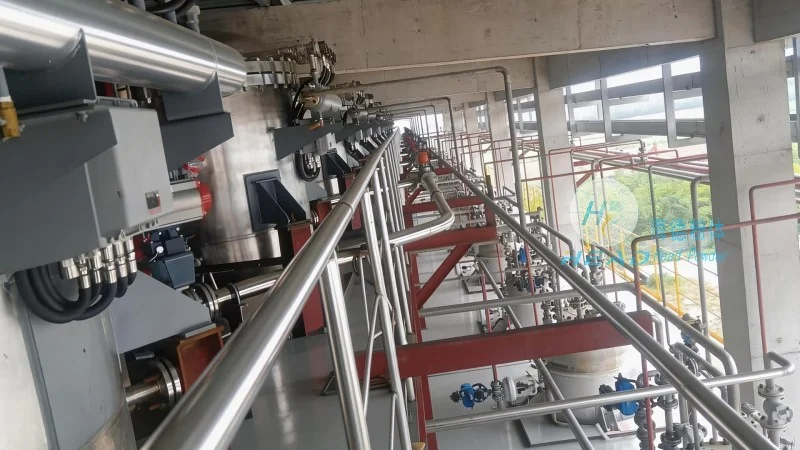
The straw ash pneumatic conveying system comprises several essential components that work in tandem to ensure smooth operation. The primary components include a hopper for material storage, a rotary valve or feeder to control the flow rate, a conveying line (typically made of stainless steel or other corrosion-resistant materials), a blower or air compressor to generate the necessary air pressure, and a dust collector or filter to capture fine particles and maintain air quality. Each component is designed to handle the specific characteristics of straw ash, ensuring durability and efficiency.
The system operates on the principle of air suspension, where the material is entrained by the air stream and transported through the pipeline. The blower creates a pressure differential that draws the material from the hopper into the conveying line. The flow rate and pressure can be adjusted based on the material's properties and the distance to be covered. This method not only reduces labor costs but also minimizes the risk of material spillage and contamination, making it ideal for applications in power plants, biomass processing facilities, and waste management systems.
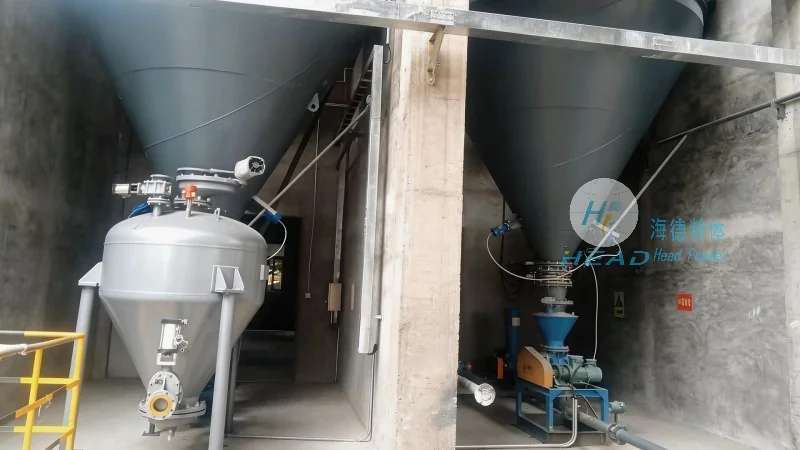
Compared to traditional mechanical conveyors, the pneumatic system offers several advantages. It provides a dust-free environment, which enhances workplace safety and reduces the risk of respiratory issues among operators. The system is also capable of handling abrasive materials without significant wear on components, thanks to the use of high-quality materials and proper maintenance. Additionally, the flexibility of the system allows for easy integration with existing infrastructure, and it can transport materials over longer distances with minimal loss. These benefits make the pneumatic conveying system a preferred choice for industries dealing with straw ash and other fine particulate materials.
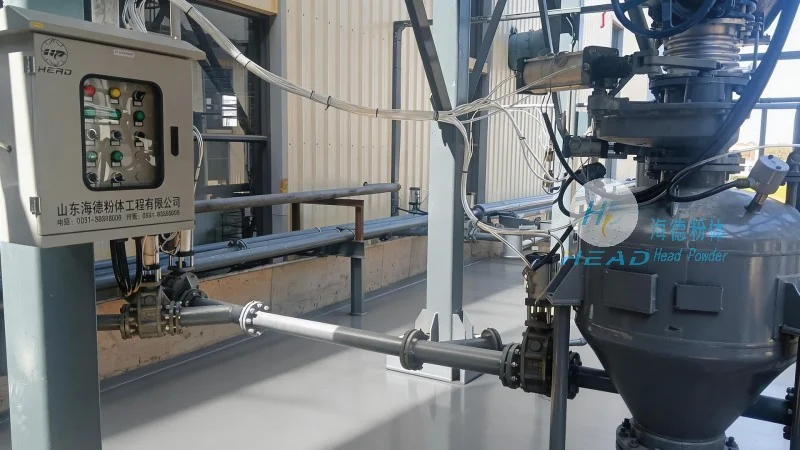
The straw ash pneumatic conveying system is widely applicable in various industrial settings. In power plants, it is used to transport ash from boilers to storage silos or for further processing. In biomass processing facilities, it helps in moving ash from combustion units to disposal or recycling areas. The system can be customized to suit different operational requirements, such as varying material flow rates, pipeline lengths, and environmental regulations. For instance, some systems may include additional filtration or dust suppression features to meet stringent air quality standards. This adaptability ensures that the system can be tailored to meet the specific needs of each client.
Proper maintenance is crucial to ensure the long-term performance and reliability of the pneumatic conveying system. Regular checks on the blower, air filters, and conveying lines are essential to prevent blockages and maintain optimal air pressure. The use of high-quality materials, such as stainless steel for the pipeline and blower components, helps in reducing corrosion and wear. Additionally, the system should be equipped with monitoring devices to detect any changes in pressure or flow, allowing for timely intervention. By adhering to a regular maintenance schedule, operators can maximize the system's lifespan and minimize downtime, ensuring consistent and efficient material transport.

 Shandong Headpowder Engineering Co., Ltd.
 156-6277-7102(Manager Zhang)
  0531-83386006
  Zhangqiu District, Jinan City, Shandong Province, China
telephone
WeChatconsult
top