With more than 10‑year industry experience, Shandong Headpowder delivers full‑service pneumatic‑conveying systems and blowers, undertaking nationwide turn‑key powder‑handling projects.
For industrial applications requiring efficient and reliable material handling, foam particle pneumatic conveying systems represent a sophisticated solution. These systems are designed to transport bulk materials, such as powders and granules, using a combination of air and foam to enhance flow characteristics and reduce material degradation. The technology is widely adopted in sectors like chemical processing, food processing, and pharmaceutical manufacturing, where maintaining product integrity and ensuring consistent delivery are critical.
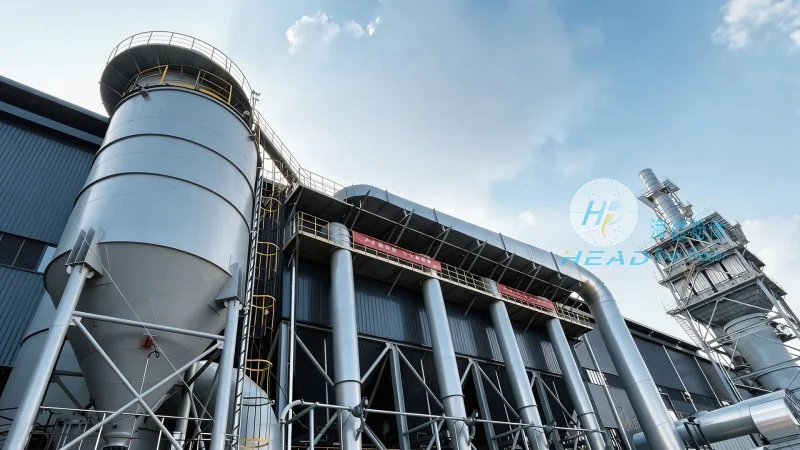
At the core of foam particle pneumatic conveying is the integration of air and foam to create a stable, low-density transport medium. This approach allows for the efficient movement of materials over long distances with minimal pressure drop and reduced wear on equipment. The system's design is tailored to handle a variety of materials, from fine powders to larger granules, while minimizing the risk of clogging or blockages. The technology is particularly advantageous in applications where traditional pneumatic conveying may struggle due to material properties or environmental constraints.
Foam particle pneumatic conveying systems can be classified based on several key parameters, including the pressure of the conveying medium, the type of foam generation, and the overall system configuration. The primary categories include:
1. **Positive Pressure Systems**: These systems operate by generating foam and air under pressure and then injecting it into the material to be conveyed. The pressurized foam helps to fluidize the particles, allowing them to be transported through the pipeline. Positive pressure systems are often used for short to medium-distance conveying and are suitable for materials that are prone to bridging or agglomeration.
2. **Negative Pressure (Vacuum) Systems**: In contrast, negative pressure systems draw material into the system using a vacuum created by a fan or blower. The foam is then introduced into the pipeline to assist in the transport of the material. This type of system is ideal for applications requiring material to be drawn from multiple sources or for long-distance conveying where suction is necessary.
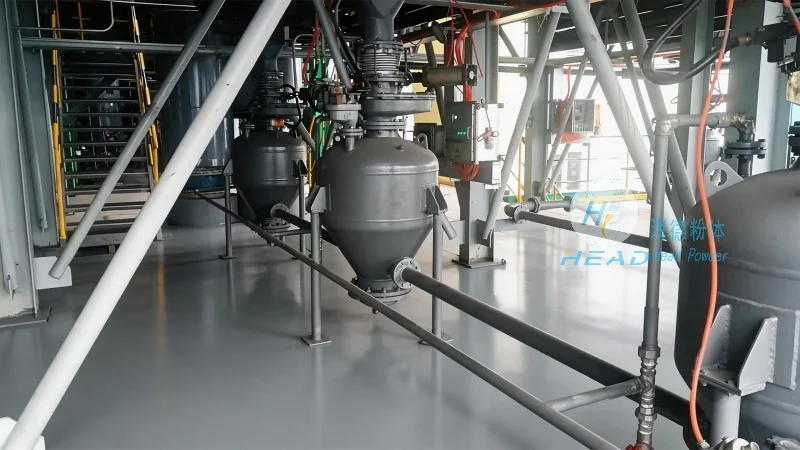
3. **Two-Phase Systems**: Some advanced configurations combine both positive and negative pressure elements, offering flexibility in conveying different materials or handling varying distances. These systems can switch between pressure and vacuum modes depending on the operational requirements, providing a versatile solution for complex material handling tasks.
The effective operation of a foam particle pneumatic conveying system relies on several critical components, each playing a specific role in the overall process. The main components include:
1. **Air and Foam Generation System**: This is the heart of the system, responsible for producing the air-foam mixture. It typically consists of a compressor or blower, a foam generator (often using surfactants or other additives to stabilize the foam), and a mixing chamber. The system ensures that the foam is generated at the correct density and consistency to achieve optimal material transport.
2. **Material Hopper and Feeder**: The hopper is used to store the bulk material, while the feeder controls the rate at which the material is introduced into the system. The feeder can be a screw feeder, a rotary valve, or a vibratory feeder, depending on the material characteristics and the required flow rate. Proper material feeding is crucial to maintain a consistent flow and prevent blockages in the pipeline.
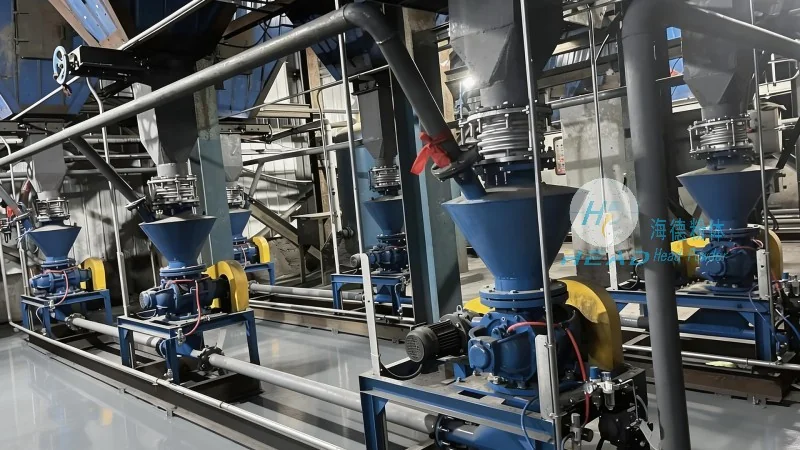
3. **Conveying Pipeline**: The pipeline is the pathway through which the material and foam mixture travel. It is typically made of corrosion-resistant materials such as stainless steel or PVC to withstand the abrasive nature of the materials being conveyed. The pipeline design includes bends, elbows, and expansion joints to accommodate changes in direction and pressure, ensuring smooth and continuous transport.
4. **Control Valves and Regulators**: These components are essential for managing the flow of air, foam, and material. Control valves regulate the pressure and flow rate, while regulators maintain consistent conditions throughout the system. This allows for precise control over the conveying process, enabling adjustments based on material properties or operational changes.
5. **Dust Collection and Filtration System**: As the material is conveyed, fine particles may be released into the air, posing a health and safety risk. The dust collection system, often integrated with a high-efficiency particulate air (HEPA) filter, captures these particles, ensuring that the air discharged from the system is clean and safe. This component is critical for maintaining compliance with environmental regulations and protecting personnel.
Foam particle pneumatic conveying systems are applied in a wide range of industrial processes where traditional conveying methods may be insufficient. The benefits of using this technology include:
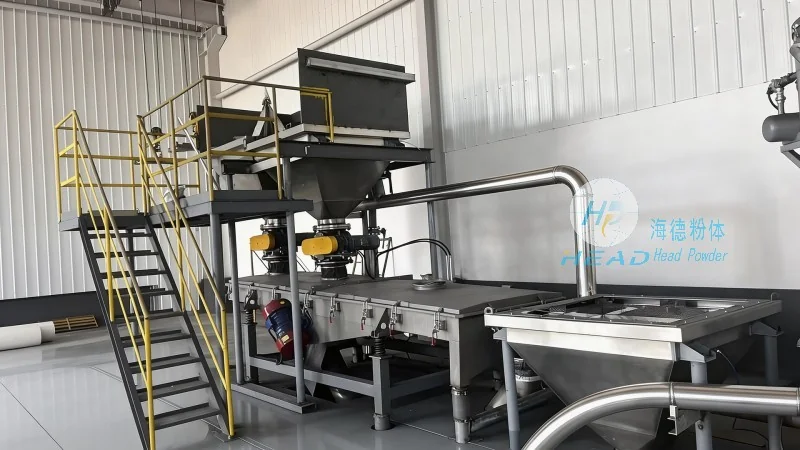
1. **Enhanced Material Handling Efficiency**: By using foam to fluidize the particles, the system can transport materials more efficiently over longer distances with lower energy consumption compared to conventional pneumatic conveying. This results in reduced operational costs and increased productivity.
2. **Improved Product Quality**: The low shear and gentle handling of the foam-aided transport minimize material degradation, such as agglomeration or particle breakage. This is particularly important for sensitive materials like pharmaceuticals or food products, where maintaining product integrity is paramount.
3. **Reduced Maintenance and Downtime**: The design of foam particle systems, with its smooth pipeline surfaces and controlled flow, reduces the risk of clogging and blockages. This leads to lower maintenance requirements and fewer system downtimes, improving overall operational reliability.
4. **Environmental Compliance**: The integrated dust collection and filtration system ensures that the system operates in compliance with environmental regulations, minimizing the impact on air quality and protecting the surrounding environment.

 Shandong Headpowder Engineering Co., Ltd.
 156-6277-7102(Manager Zhang)
  0531-83386006
  Zhangqiu District, Jinan City, Shandong Province, China
telephone
WeChatconsult
top