With more than 10‑year industry experience, Shandong Headpowder delivers full‑service pneumatic‑conveying systems and blowers, undertaking nationwide turn‑key powder‑handling projects.
Caustic soda, also known as sodium hydroxide, is a widely used chemical in various industrial processes. The efficient and safe delivery of this caustic substance is crucial for maintaining operational efficiency and ensuring workplace safety. Shandong HeadPowder Engineering Co., Ltd., a leading provider in the field, specializes in solutions for caustic soda handling and transportation. Based in Shandong, China, the company offers comprehensive services tailored to meet the diverse needs of industrial clients.
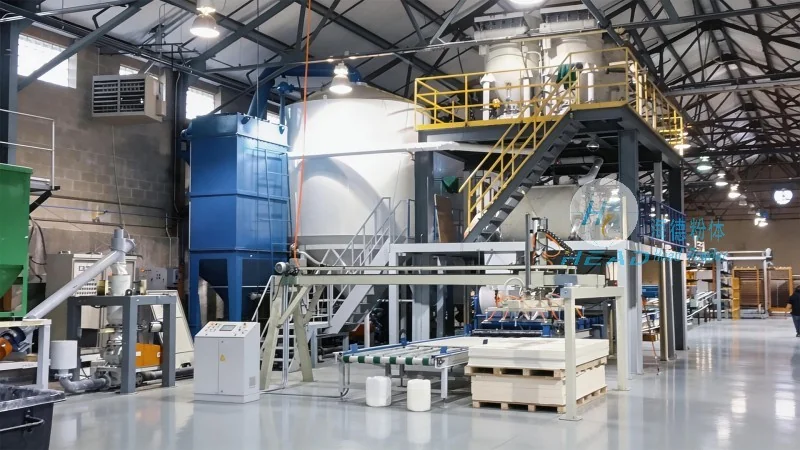
Caustic soda can be delivered through several methods, each with its own advantages and considerations. The choice of delivery method depends on factors such as the volume required, distance, and the specific application. The primary methods include pipeline transport, pump-based systems, and tanker truck delivery. Each method has distinct characteristics that make it suitable for different scenarios.
Pipeline transport is a common and efficient method for delivering caustic soda over long distances. This method involves the use of dedicated pipelines that are specifically designed to handle the corrosive nature of sodium hydroxide. The pipelines are typically made from materials like stainless steel or special alloys that can withstand the chemical's effects. One of the key advantages of pipeline transport is its ability to provide a continuous flow of caustic soda, which is ideal for large-scale industrial operations. The system can be integrated with existing infrastructure, reducing the need for additional equipment and minimizing downtime. However, the initial investment for pipeline installation can be substantial, and maintenance costs are higher compared to other methods. Additionally, pipeline transport is less flexible for short-distance or intermittent deliveries, as it requires a fixed network of pipes.
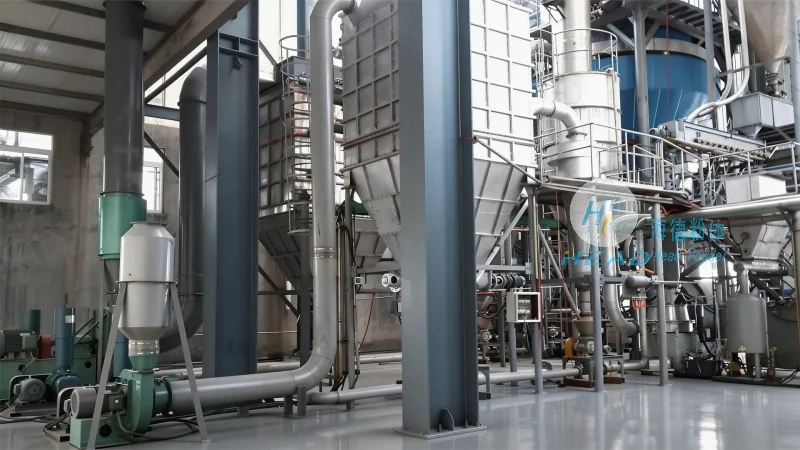
Pump systems are widely used for transferring caustic soda from storage tanks to processing equipment. There are several types of pumps suitable for this application, including centrifugal pumps, diaphragm pumps, and magnetic drive pumps. Centrifugal pumps are commonly used for high-volume, low-viscosity caustic soda transfer due to their efficiency and reliability. They are capable of handling large quantities of the chemical at a consistent flow rate. Diaphragm pumps, on the other hand, are ideal for handling more viscous or corrosive solutions, as they provide a positive displacement mechanism that ensures accurate dosing. Magnetic drive pumps are particularly suitable for applications requiring hermetic sealing, as they eliminate the need for mechanical seals that could be compromised by the caustic substance. The choice of pump depends on factors such as the caustic soda concentration, temperature, and the need for precise control. Proper maintenance of pump systems is essential to prevent leaks and ensure long-term performance. Regular inspections and replacement of wear parts are necessary to maintain the integrity of the system.
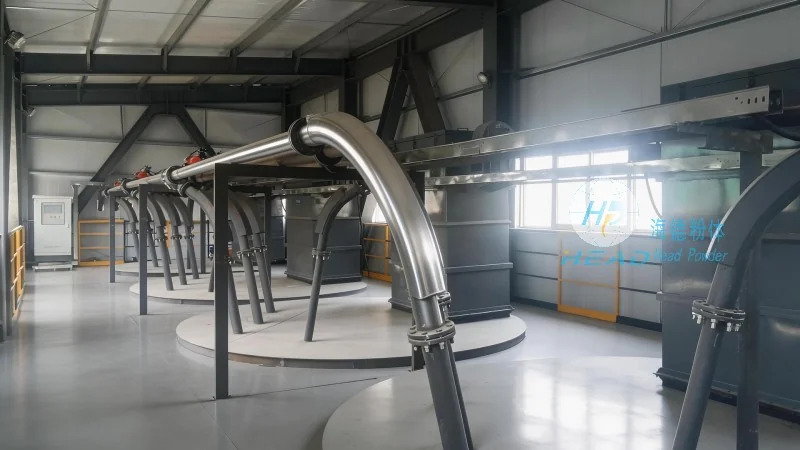
Truck tanker delivery is a flexible and widely adopted method for transporting caustic soda to various industrial sites. Tanker trucks are equipped with specialized tanks that are lined with corrosion-resistant materials, such as rubber or epoxy, to protect against the chemical's effects. The trucks are designed to maintain the caustic soda at a controlled temperature, which is important for preventing degradation or safety hazards. One of the main advantages of truck delivery is its flexibility, as it can be used for both long and short distances, and for on-demand deliveries. This method is particularly useful for small to medium-sized operations that do not have their own pipeline infrastructure. However, truck delivery involves higher transportation costs compared to pipeline transport, especially for large volumes. Additionally, there are safety considerations related to the handling of caustic soda during loading and unloading, as well as during transportation. Proper training of drivers and adherence to safety protocols are essential to minimize risks. The delivery process typically involves the use of loading arms and hoses to transfer the caustic soda from the tanker to the client's storage tanks. This method requires coordination between the supplier and the client to ensure timely and safe delivery.
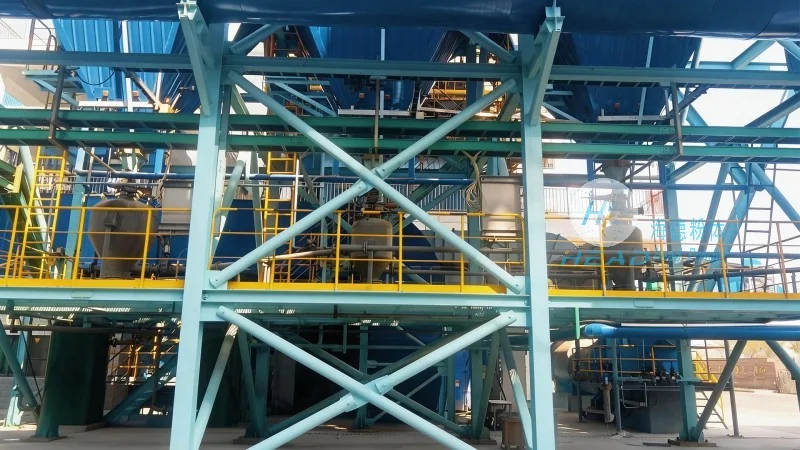
When selecting a caustic soda delivery method, several factors must be taken into account. The first consideration is the volume and frequency of delivery. For large-scale operations with high demand, pipeline transport or dedicated pump systems may be more cost-effective. For smaller operations or occasional deliveries, truck tanker delivery offers greater flexibility. The distance between the supplier and the client is another critical factor. Long-distance deliveries are more suitable for pipeline transport, while truck delivery is better for shorter distances. The existing infrastructure at the client's site also plays a role. If the client has an existing pipeline system, integrating with it can be more efficient. The cost of installation and maintenance is a significant factor as well. Pipeline transport has higher initial costs but lower long-term maintenance costs. Pump systems have moderate initial costs and require regular maintenance. Truck delivery has lower initial costs but higher ongoing transportation costs. Safety considerations are paramount, as caustic soda is a hazardous material. The delivery method must comply with local regulations and industry standards to ensure the safety of personnel and the environment. Environmental impact is another factor, as improper handling can lead to pollution. Choosing the right delivery method involves a careful evaluation of these factors to achieve the best balance of efficiency, cost, and safety.
Shandong HeadPowder Engineering Co., Ltd. provides comprehensive solutions for caustic soda delivery, catering to the diverse needs of industrial clients. Whether through pipeline transport, pump systems, or truck tanker delivery, the company ensures the efficient and safe handling of sodium hydroxide. By understanding the advantages and limitations of each delivery method, clients can make informed decisions that optimize their operations and minimize risks. The company's expertise and commitment to quality ensure that caustic soda is delivered in a manner that meets the highest standards of safety and efficiency. With its base in Shandong, China, HeadPowder Engineering continues to be a trusted partner in the chemical industry, offering reliable solutions for caustic soda transportation and handling.

 Shandong Headpowder Engineering Co., Ltd.
 156-6277-7102(Manager Zhang)
  0531-83386006
  Zhangqiu District, Jinan City, Shandong Province, China
telephone
WeChatconsult
top