With more than 10‑year industry experience, Shandong Headpowder delivers full‑service pneumatic‑conveying systems and blowers, undertaking nationwide turn‑key powder‑handling projects.
When it comes to transporting zircon sand, selecting the right pneumatic conveying system is crucial for efficiency, cost-effectiveness, and operational safety. Two primary methods dominate the industry: positive pressure and negative pressure systems. Understanding the differences between these two approaches is essential for making an informed decision that aligns with your specific processing needs. This article will explore the key characteristics of each system, helping you determine which is best suited for your zircon sand handling requirements.
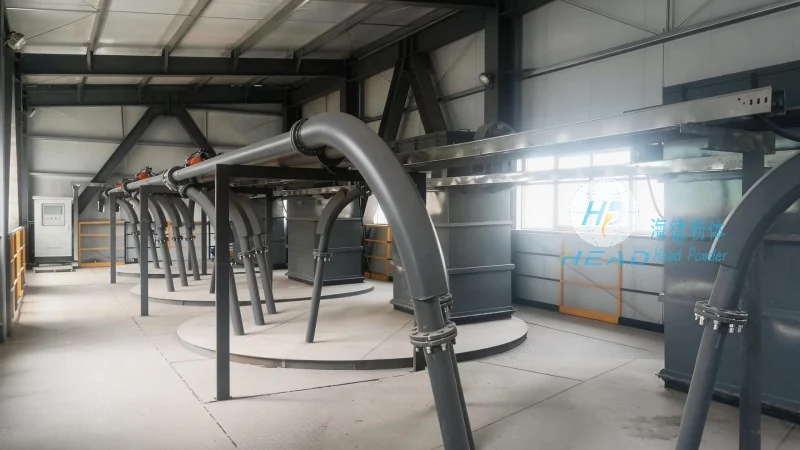
Pneumatic conveying is a widely used method for transporting bulk materials like zircon sand, offering advantages such as reduced equipment wear, lower labor costs, and the ability to handle materials in a closed system, minimizing dust and contamination. The two main types of pneumatic conveying systems are positive pressure and negative pressure. Each has distinct operational principles and applications that influence their suitability for different scenarios.
Positive pressure systems operate by blowing air or gas into the material stream, creating a pressure higher than the ambient air pressure. This method pushes the material through the conveying line using a positive pressure source, such as a blower or compressor. The primary advantage of positive pressure systems is their ability to handle long conveying distances and multiple transfer points without significant pressure loss. They are particularly effective for transporting zircon sand over extended distances or through complex piping networks.
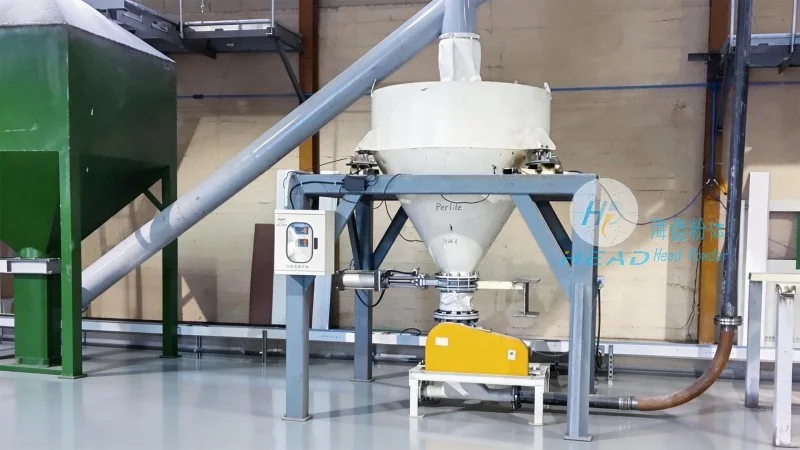
In a positive pressure system, the material is drawn into the conveying line by the moving air, which then carries it to the destination. This approach is often preferred for applications where the material needs to be conveyed to a higher elevation or over a significant horizontal distance. The system typically uses a rotary airlock valve at the material inlet to control the flow rate and prevent backflow. Positive pressure systems are also known for their relatively simple maintenance and lower initial cost compared to negative pressure systems.
Negative pressure systems, on the other hand, work by creating a vacuum or negative pressure in the conveying line, drawing the material into the system from the source. The air or gas is pulled through the line, carrying the zircon sand with it. This method is particularly suitable for applications where the material is to be conveyed from a higher elevation to a lower one, or where the material source is enclosed and needs to be isolated from the environment. Negative pressure systems are often used in environments where dust control is critical, as the system draws air and material into the line, preventing dust from escaping into the surrounding area.
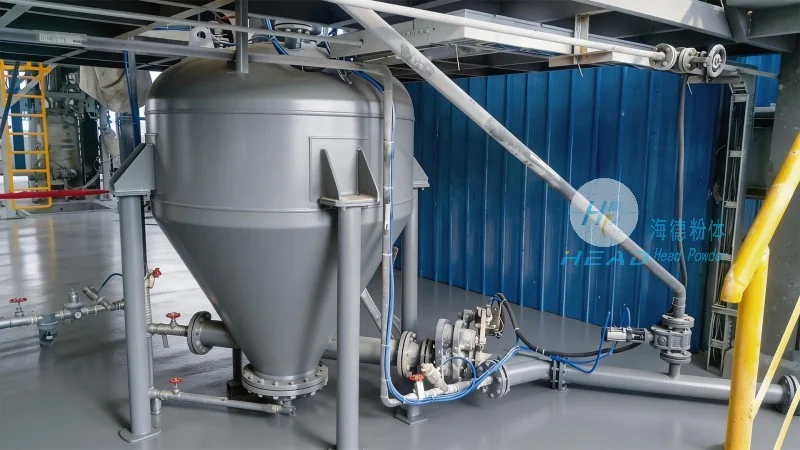
One of the key advantages of negative pressure systems is their ability to handle materials with high moisture content or those that are prone to caking. The vacuum created helps to break up agglomerates and maintain a consistent flow. However, negative pressure systems require more robust filtration and dust collection equipment to prevent the escape of fine particles, which can be a significant operational cost factor. Additionally, the system is more susceptible to blockages if the material is not properly conditioned before conveying.
So, how do you determine which system is right for your zircon sand handling operation? The decision largely depends on the specific characteristics of your material and the layout of your processing facility. Here are some key factors to consider:
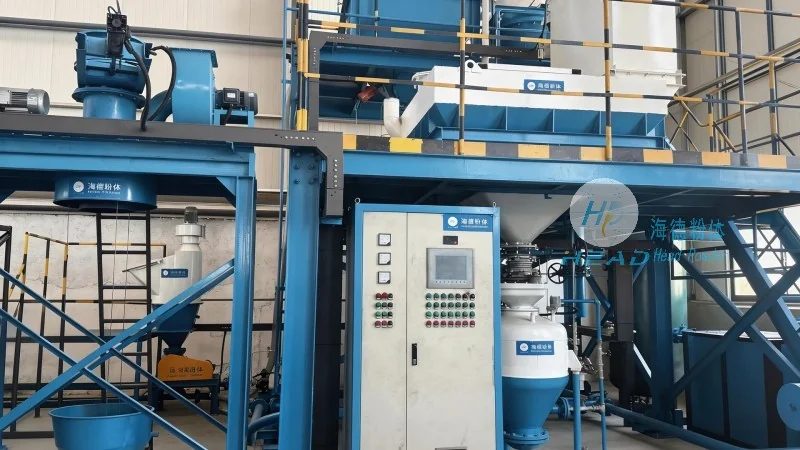
Choosing between positive and negative pressure pneumatic conveying for zircon sand depends on a careful evaluation of your operational needs, material characteristics, and budget constraints. Positive pressure systems excel in long-distance and high-elevation conveying, offering efficiency and cost-effectiveness. Negative pressure systems, meanwhile, provide superior dust control and are ideal for handling materials with moisture or clumping issues.
For businesses in the zircon sand industry, it is advisable to consult with experts like Shandong HeadPowder Engineering Co., Ltd. (headpowder), a leading provider of pneumatic conveying solutions. With their extensive experience and technical expertise, they can help you assess your specific requirements and recommend the most suitable system to optimize your zircon sand handling processes. Whether you opt for a positive or negative pressure system, investing in the right pneumatic conveying technology will enhance productivity, reduce operational costs, and ensure compliance with industry standards.

 Shandong Headpowder Engineering Co., Ltd.
 156-6277-7102(Manager Zhang)
  0531-83386006
  Zhangqiu District, Jinan City, Shandong Province, China
telephone
WeChatconsult
top