With more than 10‑year industry experience, Shandong Headpowder delivers full‑service pneumatic‑conveying systems and blowers, undertaking nationwide turn‑key powder‑handling projects.
Wool processing industries often require efficient and reliable equipment to handle the transportation of wool fibers. One such equipment is the wool pneumatic conveying machine, which plays a crucial role in the processing workflow. This article aims to explore what a wool pneumatic conveying machine is and delve into its design principles, providing insights into its functionality and importance in the industry.
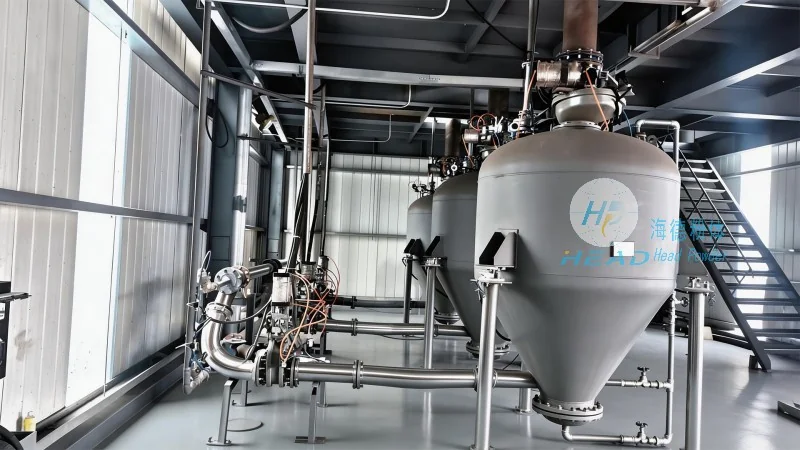
A wool pneumatic conveying machine is a specialized device designed to transport wool fibers and other similar materials through a pipeline system using air pressure. Unlike traditional mechanical conveyors, this equipment utilizes compressed air to move the material, offering advantages such as reduced wear and tear on the material, lower maintenance costs, and the ability to handle delicate or fine particles without damage. The system typically consists of a hopper to collect the wool, a blower or compressor to generate the air flow, and a pipeline network that directs the material to its destination, such as a storage silo or a processing unit.
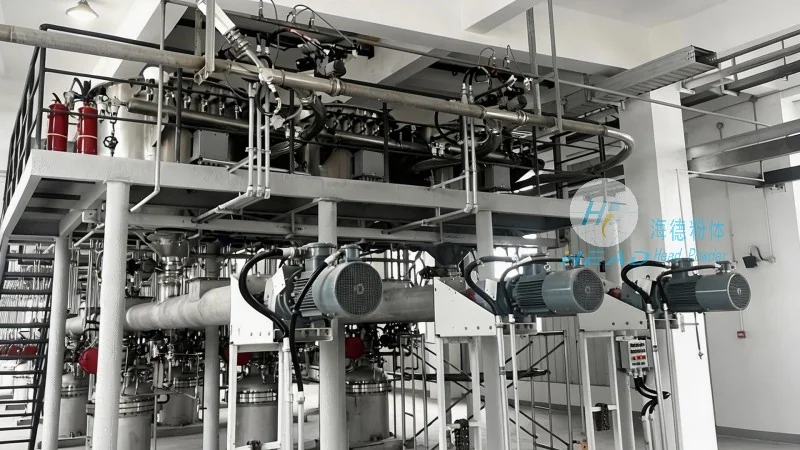
The effective operation of a wool pneumatic conveying machine relies on several key components. The first component is the hopper, which is used to store and feed the wool into the system. The hopper is often equipped with a gate or valve to control the flow of material, ensuring a consistent feed rate. Next, the blower or compressor is responsible for generating the necessary air pressure to move the wool through the pipeline. This component can be either a positive displacement blower or a centrifugal fan, depending on the system requirements and the volume of material to be conveyed. The pipeline network, made of materials like stainless steel or plastic, is designed to withstand the pressure and friction from the wool particles. Additionally, the system may include filters and cyclones to separate the wool from the air, ensuring that the material is delivered clean and free from dust or debris.
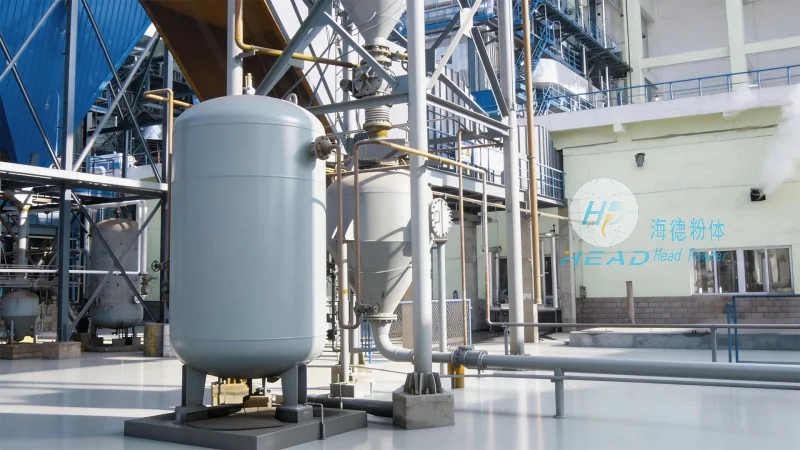
The design of a wool pneumatic conveying machine is based on several fundamental principles to ensure optimal performance and efficiency. One of the primary principles is the use of appropriate air velocity to maintain the material in suspension. The air velocity must be sufficient to keep the wool particles airborne but not so high as to cause excessive wear on the equipment or excessive energy consumption. The design also considers the particle size and density of the wool, as these factors affect the required air flow rate and pressure. For example, finer wool fibers may require higher air velocities to remain suspended, while coarser fibers may need lower velocities. Another important principle is the layout of the pipeline system, which should be designed to minimize bends and changes in direction to reduce pressure losses and maintain consistent flow. The system may also incorporate expansion joints and flexible connectors to accommodate thermal expansion and vibrations, ensuring the longevity of the equipment.
Wool pneumatic conveying machines are widely used in various stages of wool processing, from raw wool collection to the final product preparation. They are commonly employed in the transportation of wool from the shearing floor to the baling or storage areas, as well as in the transfer of wool from storage silos to processing machines. The benefits of using such equipment include improved safety, as there is no need for manual handling of heavy or bulky wool bales, and enhanced hygiene, as the system can be enclosed to prevent dust and contamination. Additionally, the pneumatic conveying system can be integrated with other processing equipment, such as cleaning or carding machines, to create a seamless workflow. The efficiency of the system also contributes to cost savings, as it reduces labor costs and minimizes material loss due to spillage or damage.
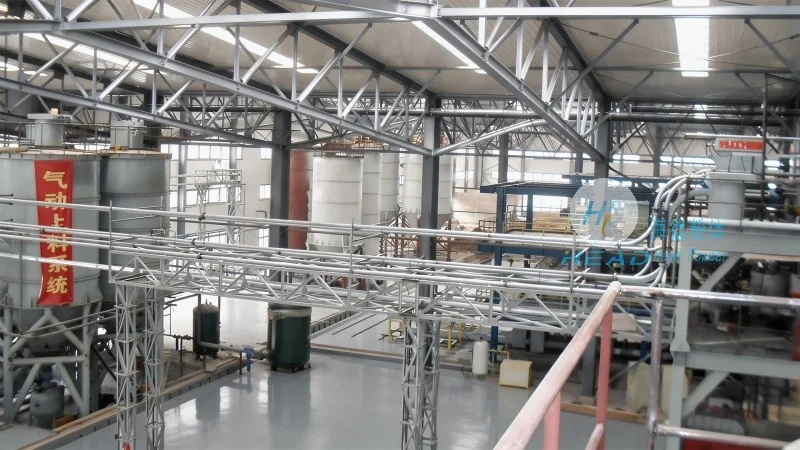
Shandong HeadPowder Engineering Co., Ltd., commonly known as HeadPowder, is a leading manufacturer of pneumatic conveying equipment based in China. With years of experience in the industry, the company specializes in designing and producing high-quality wool pneumatic conveying machines tailored to the specific needs of wool processing facilities. HeadPowder's products are known for their durability, efficiency, and reliability, making them a trusted choice for businesses in the wool industry. The company's headquarters is located in Shandong, China, where it operates a state-of-the-art manufacturing facility equipped with advanced technology and skilled personnel. HeadPowder is committed to providing innovative solutions that enhance the productivity and profitability of its clients, and it continues to invest in research and development to improve its products and stay ahead of industry trends.

 Shandong Headpowder Engineering Co., Ltd.
 156-6277-7102(Manager Zhang)
  0531-83386006
  Zhangqiu District, Jinan City, Shandong Province, China
telephone
WeChatconsult
top