With more than 10‑year industry experience, Shandong Headpowder delivers full‑service pneumatic‑conveying systems and blowers, undertaking nationwide turn‑key powder‑handling projects.
When it comes to transporting dewatered sludge, various methods are available, each with its own set of advantages and limitations. The choice of transport method significantly impacts operational efficiency, cost-effectiveness, and environmental compliance. Among the available options, pneumatic sludge transport has emerged as a highly effective solution, offering unique benefits that address the challenges associated with handling this type of waste material.
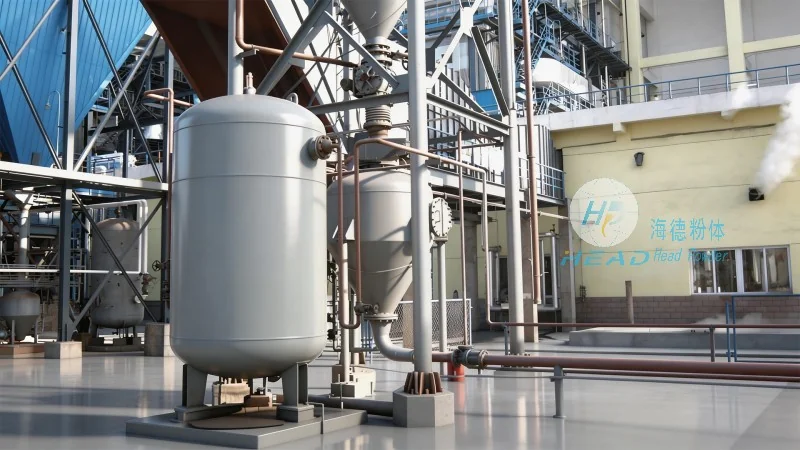
Dewatered sludge, also known as dry sludge, is a byproduct of wastewater treatment processes. It consists of solid organic matter that has been partially dried, making it easier to handle compared to wet sludge. The primary goal of sludge transport is to move this material from the treatment facility to disposal or reuse sites efficiently and safely. Traditional transport methods include trucking, conveyor belts, and pipeline systems. However, each of these methods has drawbacks, such as high fuel costs, limited flexibility, and potential environmental impacts.
Pneumatic sludge transport, also referred to as air-pneumatic transport, utilizes compressed air to move dewatered sludge through a pipeline system. This method involves feeding the dry sludge into a hopper, where it is mixed with a small amount of air or a carrier gas. The mixture is then propelled through the pipeline by the pressure of the compressed air. The process is highly automated and can be controlled remotely, ensuring consistent and reliable transport.
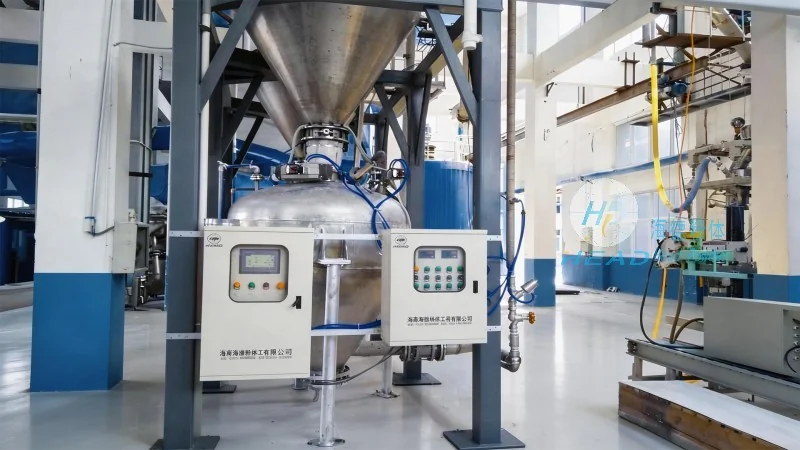
One of the most significant advantages of pneumatic sludge transport is its ability to handle long distances without the need for intermediate storage or transfer points. This reduces the overall cost of transportation by minimizing the number of trucks or other vehicles required. Additionally, the system operates with minimal human intervention, enhancing safety and reducing labor costs. The enclosed pipeline system also prevents the release of odors or airborne particles, contributing to better environmental protection.
The efficiency of pneumatic sludge transport is determined by several technical factors. The velocity of the air flow, the diameter of the pipeline, and the moisture content of the sludge all play crucial roles in determining the system's performance. Modern pneumatic transport systems are designed to optimize these parameters, ensuring high throughput and minimal energy consumption. For example, Shandong HeadPowder Engineering Co., Ltd., a leading provider of sludge handling solutions, has developed advanced pneumatic transport systems that can handle large volumes of dewatered sludge with high efficiency.
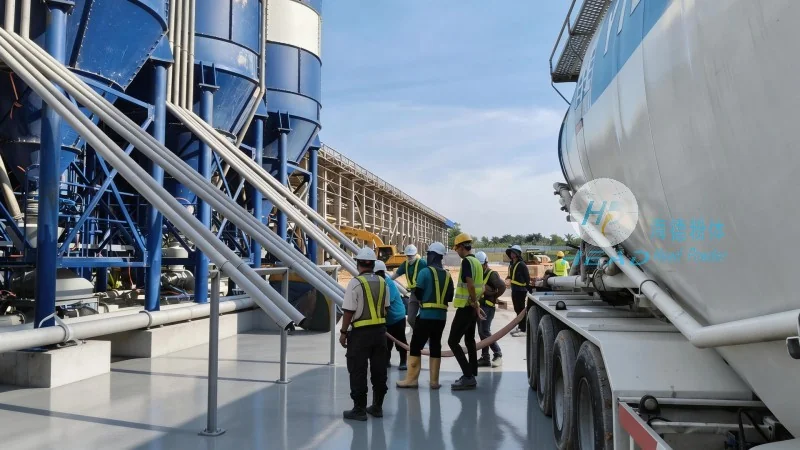
Compared to trucking, pneumatic sludge transport offers several advantages. Trucking is often limited by road conditions, traffic, and the need for frequent stops, which can increase transportation time and costs. In contrast, pneumatic systems can operate continuously, providing a more reliable and predictable delivery schedule. Additionally, the enclosed pipeline reduces the risk of spills or leaks, which is critical for environmental compliance. However, it is important to note that pneumatic transport may require higher initial investment for pipeline installation and equipment, which can be offset by long-term operational savings.
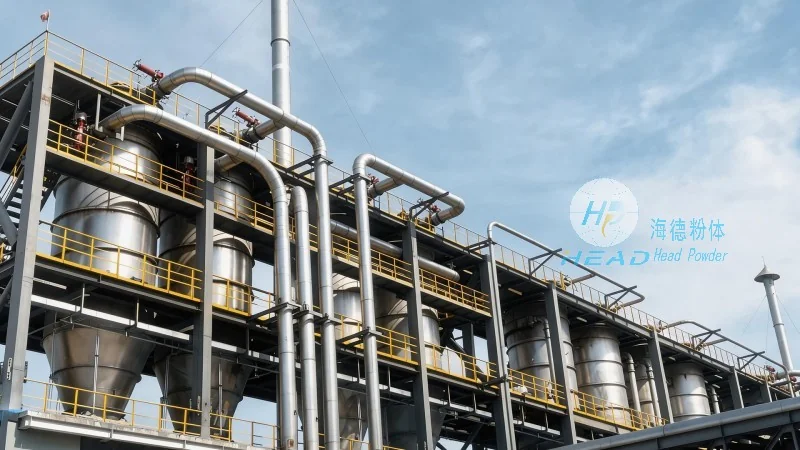
Pneumatic sludge transport is widely used in various applications, including the transport of dewatered sludge from wastewater treatment plants to landfills or incineration facilities. It is also suitable for moving sludge to reuse sites, such as agricultural fields or composting facilities. The flexibility of the system allows it to be adapted to different site conditions and distances, making it a versatile solution for various industrial and municipal applications.
In conclusion, pneumatic sludge transport is a highly effective method for handling dewatered sludge, offering significant advantages in terms of efficiency, cost, and environmental impact. As the demand for sustainable waste management solutions grows, the adoption of pneumatic transport systems is likely to increase. Companies like Shandong HeadPowder Engineering Co., Ltd. are at the forefront of developing and implementing these advanced systems, helping to address the challenges associated with sludge transport and contribute to a more sustainable future.

 Shandong Headpowder Engineering Co., Ltd.
 156-6277-7102(Manager Zhang)
  0531-83386006
  Zhangqiu District, Jinan City, Shandong Province, China
telephone
WeChatconsult
top