With more than 10‑year industry experience, Shandong Headpowder delivers full‑service pneumatic‑conveying systems and blowers, undertaking nationwide turn‑key powder‑handling projects.
When it comes to efficiently transporting rice grains from one point to another in processing facilities, selecting the appropriate pneumatic conveying system is crucial. The right system not only ensures smooth operation but also maintains the quality and integrity of the rice. This guide will help you understand the key factors to consider when choosing a pneumatic conveying system tailored to your rice grain handling needs.
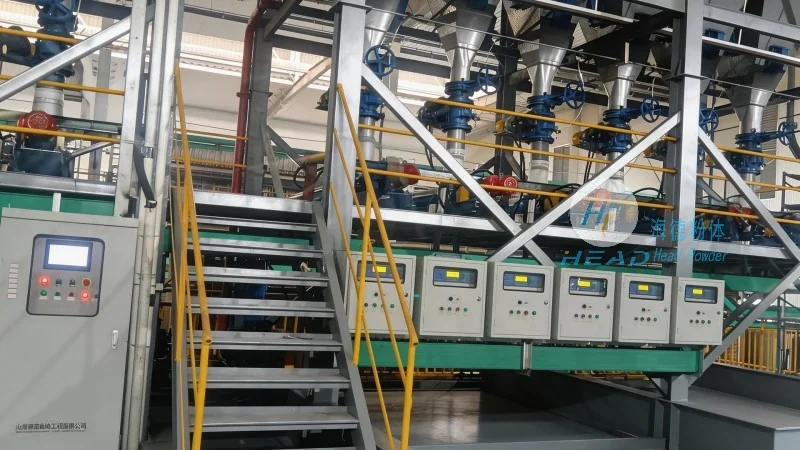
As a leading provider of industrial conveying solutions, Shandong HeadPowder Engineering Co., Ltd. specializes in designing and manufacturing customized pneumatic conveying systems. With years of experience in the industry, the company has established itself as a trusted partner for businesses seeking reliable and efficient solutions for their material handling challenges. HeadPowder is headquartered in Shandong, China, and serves clients globally with expertise in optimizing material transport processes.
Choosing the right pneumatic conveying system for rice grain handling involves evaluating several critical factors. The first consideration is the nature of the rice grain itself—its size, shape, and moisture content can significantly impact the system's performance. Rice grains are typically small and lightweight, which may require specialized equipment to prevent segregation and ensure consistent flow. Additionally, the distance and elevation changes between the source and destination points must be assessed to determine the appropriate system type, such as pressure or vacuum conveying. The system's capacity and throughput requirements are also essential, as they directly affect the overall efficiency of the rice processing line. Finally, the need for minimal product degradation and contamination control is paramount, as rice is a food product that requires strict hygiene standards.
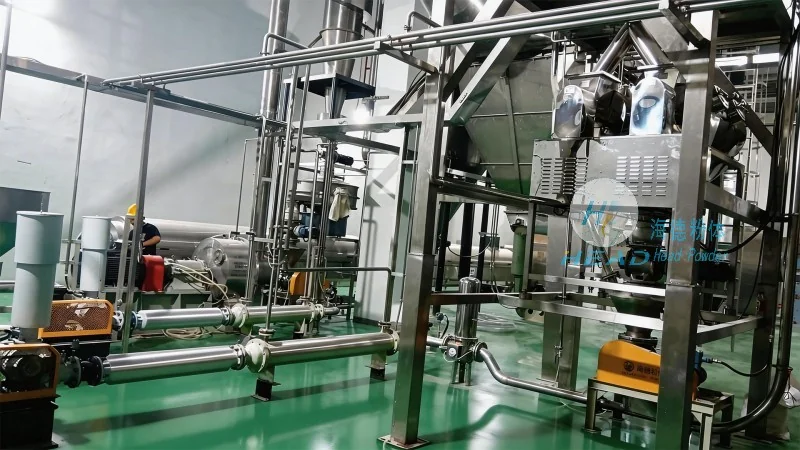
There are primarily two types of pneumatic conveying systems used in rice grain handling: pressure and vacuum systems. Pressure systems use compressed air to push the rice grains through a pipeline, while vacuum systems use a vacuum to draw the material. For rice grains, pressure systems are often preferred due to their ability to handle higher capacities and longer distances without significant pressure loss. However, vacuum systems can be more suitable for short-distance transfers or when the rice needs to be moved from a lower to a higher elevation. HeadPowder offers both types of systems, allowing clients to choose the most appropriate solution based on their specific operational requirements.
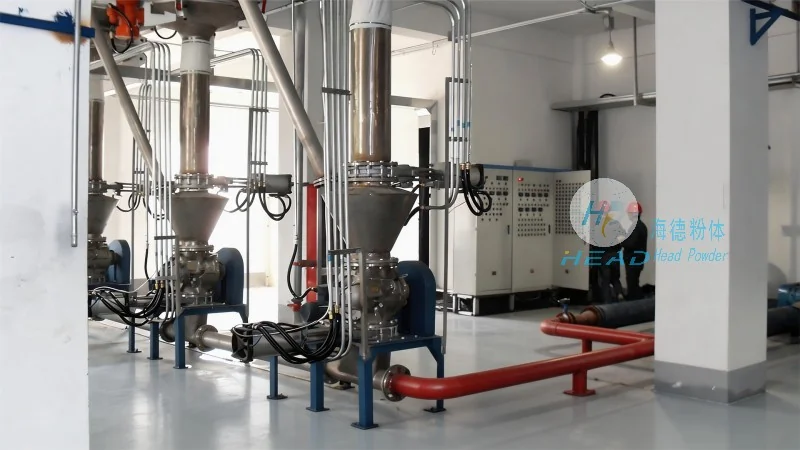
A typical pneumatic conveying system for rice grains consists of several key components, including a hopper for material storage, a feeder to control the flow rate, a conveyor line (usually made of stainless steel to prevent contamination), a filter to remove dust and particles, and a receiver for the discharged material. The hopper is designed to minimize product segregation and maintain a consistent feed to the feeder. The feeder, often a rotary valve or a screw feeder, regulates the amount of rice being conveyed to prevent overloading the system. The conveyor line is typically made of stainless steel or other food-grade materials to ensure compliance with hygiene standards. The filter is crucial for maintaining air quality and preventing dust from entering the processing environment. The receiver collects the rice at the end of the conveyor line, allowing for easy discharge into the next processing stage.
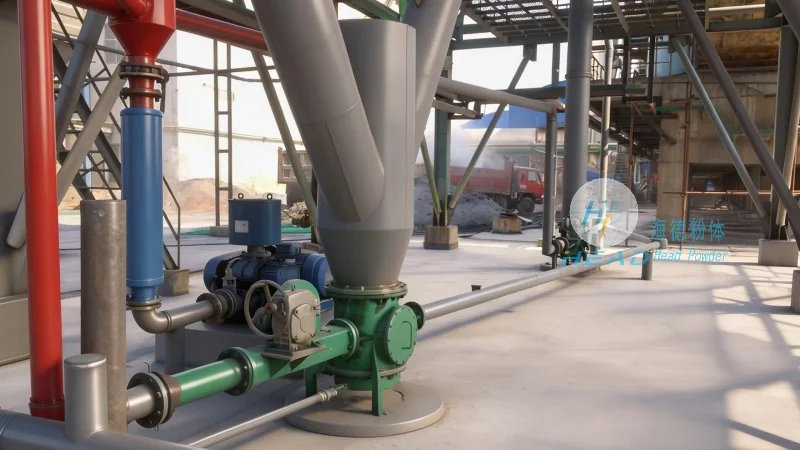
Implementing a pneumatic conveying system for rice grain handling offers numerous benefits. Firstly, it provides a dust-free and hygienic method of transporting the product, which is essential for maintaining food safety standards. Unlike traditional belt or bucket elevators, pneumatic systems do not expose the rice to external contaminants, reducing the risk of spoilage or contamination. Secondly, these systems are highly efficient in terms of energy consumption and operational costs. By using compressed air or vacuum, the system can move large quantities of rice with minimal labor and maintenance requirements. Thirdly, pneumatic conveying systems are flexible and can be easily integrated into existing processing lines. They can handle varying capacities and can be adjusted to accommodate changes in production volume. Finally, the systems are designed to minimize product degradation, preserving the quality and nutritional value of the rice grains. This is particularly important for premium rice varieties that require careful handling to maintain their market value.
Choosing the right pneumatic conveying system for your rice grain handling process is a critical decision that can significantly impact your operational efficiency and product quality. Shandong HeadPowder Engineering Co., Ltd. offers comprehensive solutions tailored to the unique needs of rice processing facilities. With their expertise in designing customized systems and commitment to quality, HeadPowder ensures that clients receive reliable and efficient equipment that meets their specific requirements. For more information about their pneumatic conveying systems for rice grain handling, please contact HeadPowder at their headquarters in Shandong, China.

 Shandong Headpowder Engineering Co., Ltd.
 156-6277-7102(Manager Zhang)
  0531-83386006
  Zhangqiu District, Jinan City, Shandong Province, China
telephone
WeChatconsult
top