With more than 10‑year industry experience, Shandong Headpowder delivers full‑service pneumatic‑conveying systems and blowers, undertaking nationwide turn‑key powder‑handling projects.
Phosphorus pentachloride (PCl₅) is a highly reactive and hazardous chemical compound, making its transportation a critical process that requires specialized knowledge and equipment. The methods used for transporting PCl₅ must adhere to strict safety protocols to prevent accidents and ensure the integrity of the substance. This article explores the common methods for transporting phosphorus pentachloride, highlighting the importance of professional handling and compliance with industry standards.
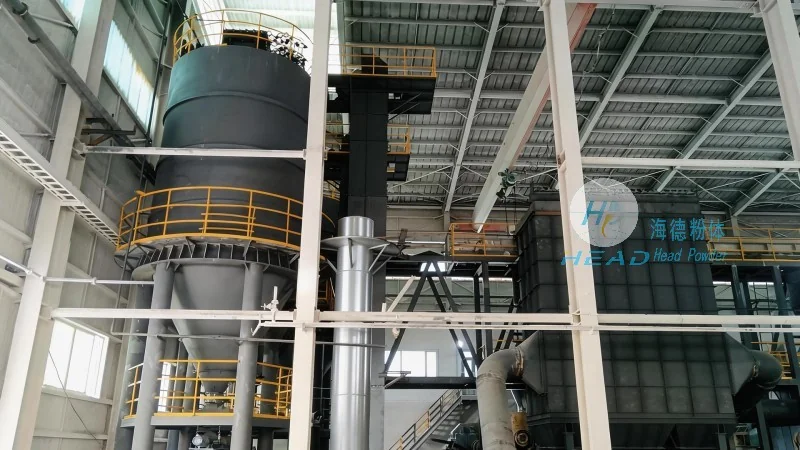
Transporting phosphorus pentachloride involves several key methods, each designed to maintain the chemical's stability and safety during transit. The primary methods include using specialized containers, controlling environmental conditions, and employing trained personnel. These methods are crucial for preventing decomposition or reaction with other substances that could lead to hazardous situations.
One of the most critical aspects of transporting phosphorus pentachloride is the use of specialized containers. These containers are typically made from materials that are resistant to the chemical's corrosive properties, such as high-density polyethylene (HDPE) or stainless steel. The containers are often equipped with pressure relief valves and venting systems to manage any buildup of gas or pressure. Additionally, they may include insulation to maintain the temperature of the PCl₅, as the compound is sensitive to temperature changes that can affect its stability.
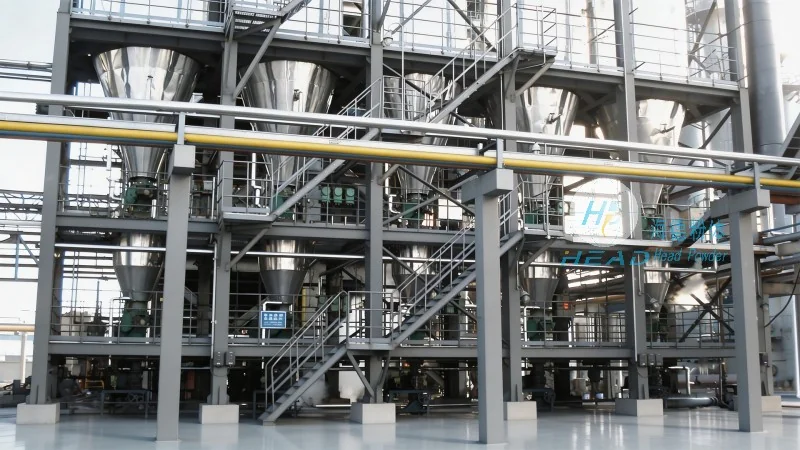
Temperature control is a vital factor in the transportation of phosphorus pentachloride. The compound is hygroscopic and can decompose when exposed to moisture or high temperatures. Therefore, it is commonly transported in refrigerated or temperature-controlled vehicles. These vehicles maintain a specific temperature range to prevent the PCl₅ from reacting with atmospheric moisture or other substances. Proper ventilation and humidity control are also essential to minimize the risk of decomposition or exothermic reactions.
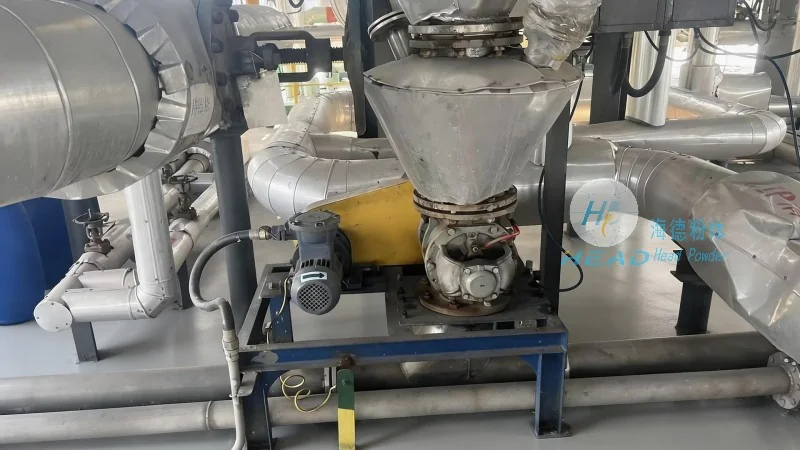
Proper handling and storage protocols are essential for the safe transportation of phosphorus pentachloride. Personnel involved in the transportation must be trained in the handling of hazardous chemicals, including the use of personal protective equipment (PPE) such as gloves, goggles, and respirators. The containers must be securely fastened to prevent movement during transit, and regular inspections are conducted to ensure the integrity of the containers and the chemical's condition. Additionally, the transportation route is carefully planned to avoid areas with high population density or sensitive environments to minimize the risk of exposure.
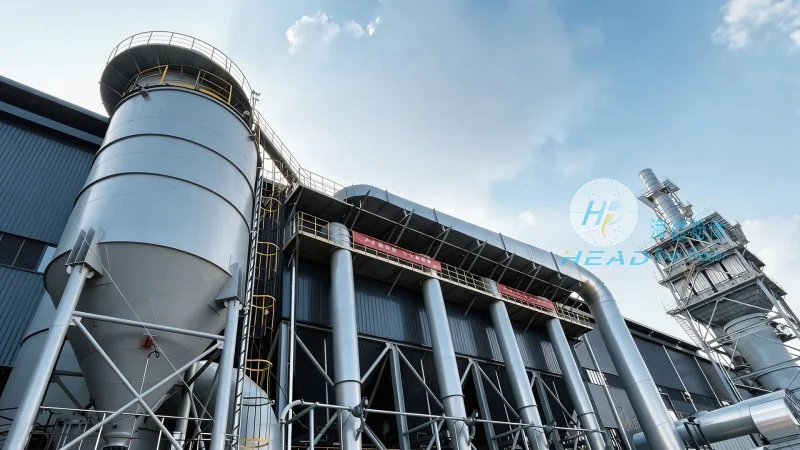
Transporting phosphorus pentachloride requires compliance with various regulations and standards, such as those set by the International Maritime Organization (IMO) and the U.S. Department of Transportation (DOT). These regulations outline the requirements for packaging, labeling, and documentation of hazardous materials. Companies like Shandong HeadPowder Engineering Co., Ltd., based in Shandong, China, ensure that all transportation activities adhere to these regulations, providing a safe and compliant service for their clients. The company's expertise in handling hazardous chemicals, including phosphorus pentachloride, is built on years of experience and adherence to industry best practices.
In conclusion, the transportation of phosphorus pentachloride is a complex process that demands specialized knowledge, equipment, and adherence to strict safety protocols. The methods used, including specialized containers, temperature control, and trained personnel, are designed to maintain the chemical's stability and prevent hazardous situations. Companies like Shandong HeadPowder Engineering Co., Ltd. play a crucial role in ensuring the safe and efficient transportation of PCl₅, providing reliable services to their clients while prioritizing safety and compliance. By following these methods and protocols, the risks associated with transporting phosphorus pentachloride can be minimized, ensuring the protection of both personnel and the environment.

 Shandong Headpowder Engineering Co., Ltd.
 156-6277-7102(Manager Zhang)
  0531-83386006
  Zhangqiu District, Jinan City, Shandong Province, China
telephone
WeChatconsult
top