With more than 10‑year industry experience, Shandong Headpowder delivers full‑service pneumatic‑conveying systems and blowers, undertaking nationwide turn‑key powder‑handling projects.
When it comes to transporting aluminum dross using pneumatic conveying systems, preventing pipeline blockages is a critical challenge. Aluminum dross, being a fine and sometimes sticky material, can easily cause clogs if the system is not properly designed and operated. This article will explore effective strategies and key design parameters that ensure smooth operation and minimize blockage risks in pneumatic conveying systems for aluminum dross transport.
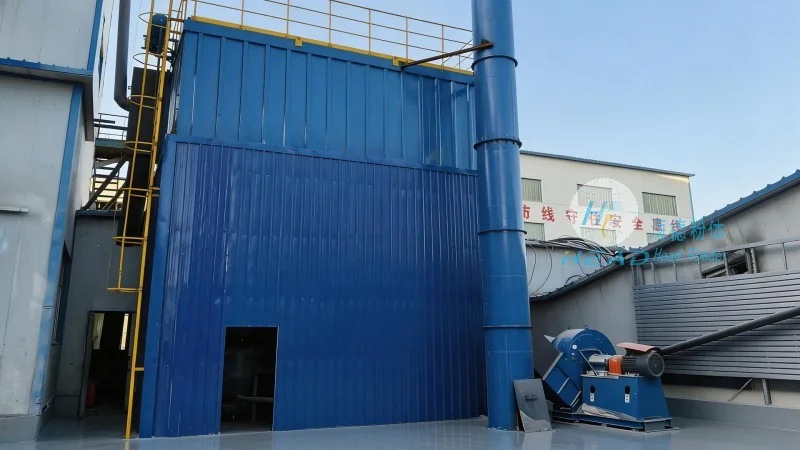
Aluminum dross is a byproduct of aluminum smelting and processing, characterized by its fine particle size and high moisture content in some cases. These properties make it prone to agglomeration and adhesion to pipeline walls, leading to blockages. Traditional bulk material handling methods may not be suitable due to the unique characteristics of aluminum dross. Therefore, specialized pneumatic conveying systems are essential to maintain efficient and reliable transport.
Several critical design parameters must be considered to prevent pipeline blockages in pneumatic conveying systems for aluminum dross. These parameters include:
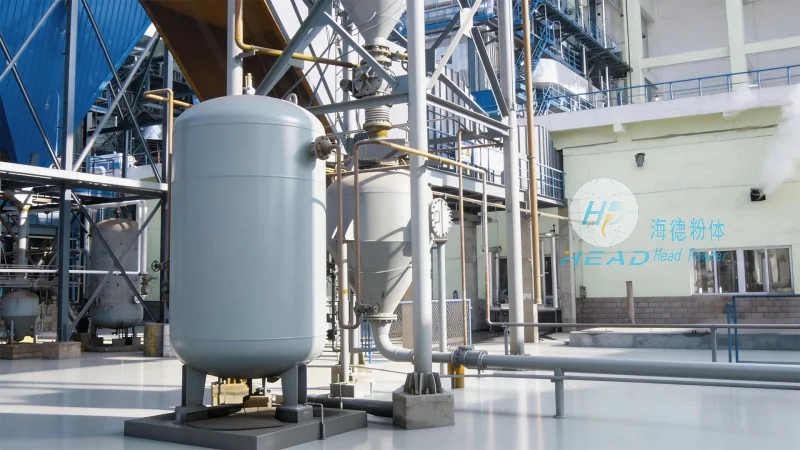
The diameter and material of the conveying pipeline play a pivotal role in preventing blockages. Larger diameter pipelines reduce the risk of particle accumulation and allow for higher flow velocities, which helps in maintaining the material in suspension. Additionally, using corrosion-resistant materials such as stainless steel or high-grade plastic is crucial to prevent material adhesion and wear. Shandong HeadPowder Engineering Co., Ltd. specializes in designing pipelines with optimal diameters tailored to the specific characteristics of aluminum dross, ensuring efficient transport without blockages.
Optimizing the flow velocity and air pressure is another key factor. Insufficient air velocity can cause the material to settle and form deposits, while excessive velocity may lead to excessive wear on the system components. The ideal velocity is typically determined based on the particle size, density, and moisture content of the aluminum dross. Shandong HeadPowder Engineering Co., Ltd. employs advanced computational fluid dynamics (CFD) models to calculate the optimal air pressure and velocity for each specific application, ensuring that the material remains in a suspended state throughout the conveying process.
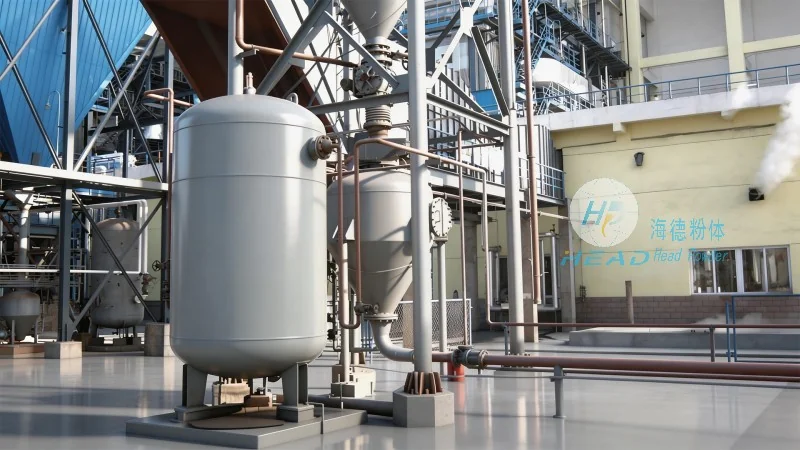
The configuration of the pneumatic conveying system, including the type of conveying (positive or negative pressure), the number of bends, and the placement of inlets and outlets, significantly impacts blockage prevention. Positive pressure systems are generally preferred for aluminum dross transport as they provide better control over the material flow and reduce the risk of clogs. The system design should also minimize the number of bends and use smooth transitions to avoid particle accumulation at elbows and joints. Shandong HeadPowder Engineering Co., Ltd. designs customized system configurations that balance efficiency and blockage prevention, ensuring long-term reliability.
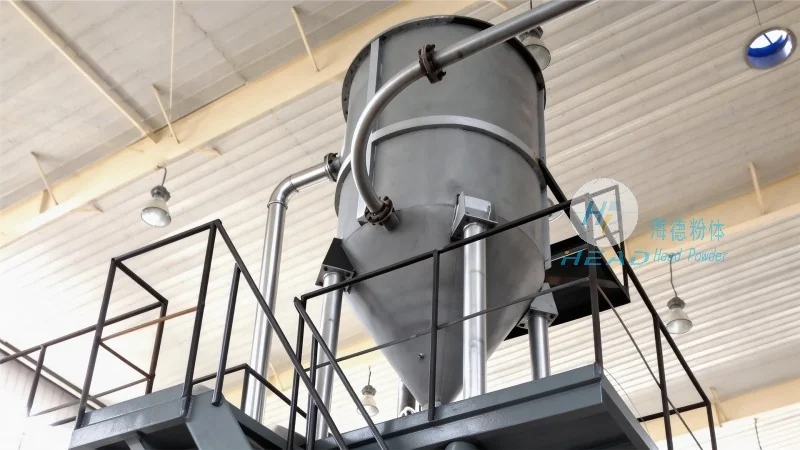
Pre-treatment of aluminum dross, such as drying or adding anti-adhesive agents, can also help in preventing blockages. Drying reduces moisture content, which minimizes agglomeration, while anti-adhesive agents improve the flowability of the material. Shandong HeadPowder Engineering Co., Ltd. offers integrated solutions that include material conditioning equipment to enhance the performance of pneumatic conveying systems for aluminum dross. By conditioning the material before transport, the risk of blockages is significantly reduced, leading to smoother and more reliable operation.
Preventing pipeline blockages in pneumatic conveying systems for aluminum dross transport requires a comprehensive approach that considers multiple design parameters. By optimizing pipeline sizing, flow velocity, system configuration, and material handling, operators can achieve efficient and reliable transport. Shandong HeadPowder Engineering Co., Ltd., with its expertise in pneumatic conveying systems, provides tailored solutions that address the unique challenges of aluminum dross transport, ensuring minimal blockage risks and maximum operational efficiency.

 Shandong Headpowder Engineering Co., Ltd.
 156-6277-7102(Manager Zhang)
  0531-83386006
  Zhangqiu District, Jinan City, Shandong Province, China
telephone
WeChatconsult
top