With more than 10‑year industry experience, Shandong Headpowder delivers full‑service pneumatic‑conveying systems and blowers, undertaking nationwide turn‑key powder‑handling projects.
HeadPowder, a leading provider in the field of material handling solutions, specializes in the design and implementation of advanced pneumatic conveying systems. This article focuses on the principle and operational characteristics of a precipitated barium sulfate pneumatic conveying line, highlighting its technical foundation and practical applications.
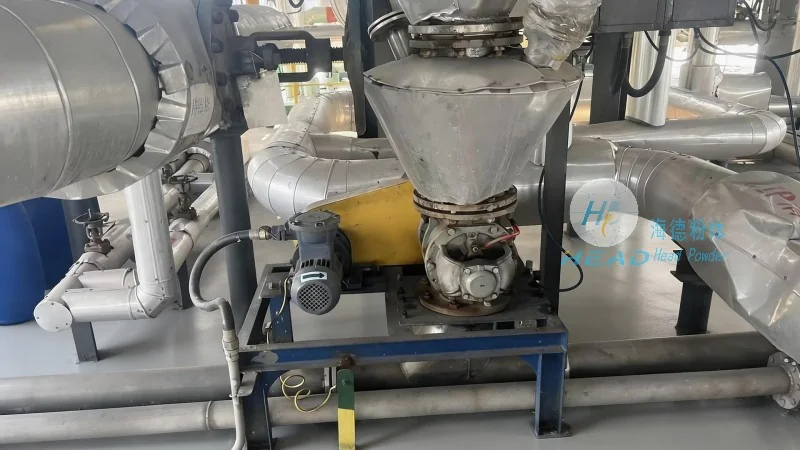
Precipitated barium sulfate, commonly used in industries such as pharmaceuticals, coatings, and ceramics, requires efficient and reliable material transport methods. The pneumatic conveying line offered by Shandong HeadPowder Engineering Co., Ltd. addresses these needs by leveraging air pressure to move the material from one location to another. This system is designed to handle the specific properties of precipitated barium sulfate, ensuring minimal product degradation and optimal operational performance.
The fundamental principle of the pneumatic conveying line involves the use of compressed air to create a flow that transports the solid material. In this system, a fan or blower generates a pressure differential that draws the barium sulfate particles into the conveying line. The material is then carried through the pipeline by the air stream, which can be either positive pressure (where air pushes the material) or negative pressure (where air pulls the material). For precipitated barium sulfate, a positive pressure system is often preferred due to the material's density and flow characteristics, ensuring consistent and controlled movement.
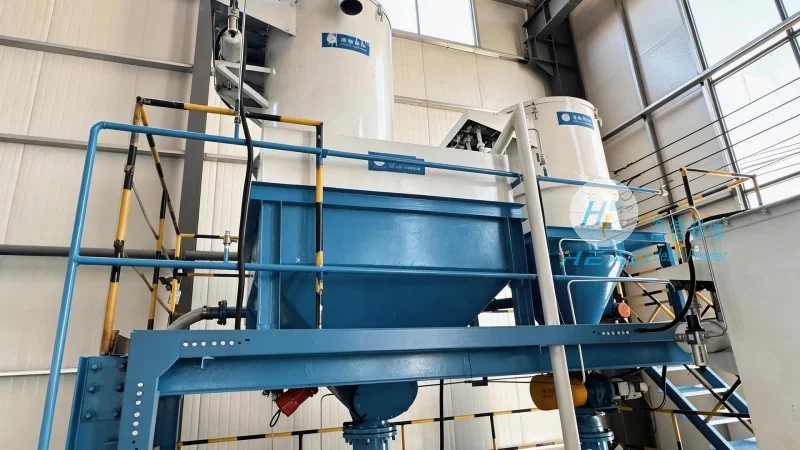
The pneumatic conveying line consists of several critical components that work in tandem to achieve efficient material transport. These include the material feed hopper, which stores and feeds the barium sulfate into the system; the air supply unit, which provides the necessary pressure and volume of air; the conveying pipeline, which transports the material; and the discharge hopper, where the material is collected at the destination. Each component is carefully selected and sized to match the specific requirements of the precipitated barium sulfate, ensuring that the system operates within optimal parameters.
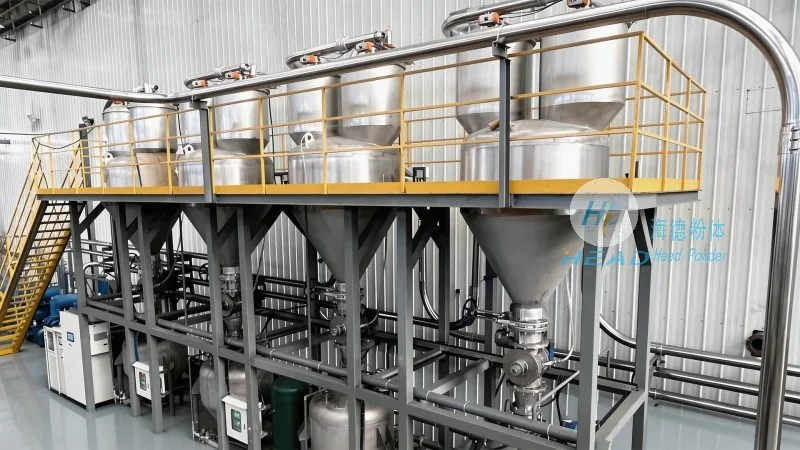
The working scene characteristics of the precipitated barium sulfate pneumatic conveying line are tailored to meet the demands of industrial environments. One key characteristic is the system's ability to handle fine powders without clogging or blockages, which is crucial for maintaining consistent product quality. The line also offers flexibility in terms of layout, allowing it to be adapted to various plant configurations and space constraints. Additionally, the system provides a dust-free and enclosed operation, enhancing safety and compliance with environmental regulations. The operational advantages include reduced labor costs due to automated material handling, increased production efficiency through continuous material flow, and lower maintenance requirements compared to traditional mechanical conveying systems.
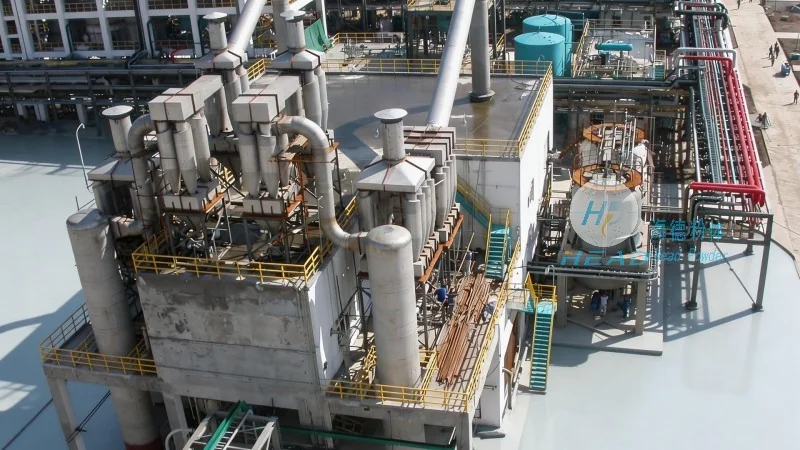
The precipitated barium sulfate pneumatic conveying line is particularly suitable for applications where precise control over material movement is essential. In the pharmaceutical industry, for example, the system can be used to transport raw materials for drug formulation, ensuring that the material remains sterile and free from contamination. In the coatings industry, the line can efficiently convey barium sulfate for use in paint and coating formulations, maintaining the material's particle size distribution and quality. The system is also applicable in ceramic manufacturing, where the material is used as a filler or pigment, requiring consistent particle size and purity. Overall, the line's design and functionality make it a versatile solution for industries that rely on high-quality precipitated barium sulfate in their production processes.
Shandong HeadPowder Engineering Co., Ltd. provides comprehensive solutions for pneumatic conveying systems, including the precipitated barium sulfate pneumatic conveying line. With a focus on technical expertise and customer-centric design, the company ensures that its systems meet the specific needs of its clients. The principle and working scene characteristics of the line demonstrate the effectiveness of pneumatic conveying in handling fine materials like precipitated barium sulfate, offering advantages in efficiency, safety, and product quality. As a trusted partner in material handling, HeadPowder continues to innovate and deliver reliable solutions for industrial applications.

 Shandong Headpowder Engineering Co., Ltd.
 156-6277-7102(Manager Zhang)
  0531-83386006
  Zhangqiu District, Jinan City, Shandong Province, China
telephone
WeChatconsult
top