With more than 10‑year industry experience, Shandong Headpowder delivers full‑service pneumatic‑conveying systems and blowers, undertaking nationwide turn‑key powder‑handling projects.
PP granule pneumatic conveying equipment is a specialized system designed for the efficient and reliable transport of polypropylene (PP) granules in industrial settings. This equipment plays a crucial role in material handling processes, offering a solution that minimizes product contamination and optimizes operational efficiency. The system operates by utilizing air as the conveying medium, enabling the movement of PP granules from one location to another without the need for mechanical components that could introduce wear or contamination. Developed by Shandong HeadPowder Engineering Co., Ltd. (headpowder), this equipment is tailored to meet the specific needs of various industrial applications, ensuring high performance and reliability.
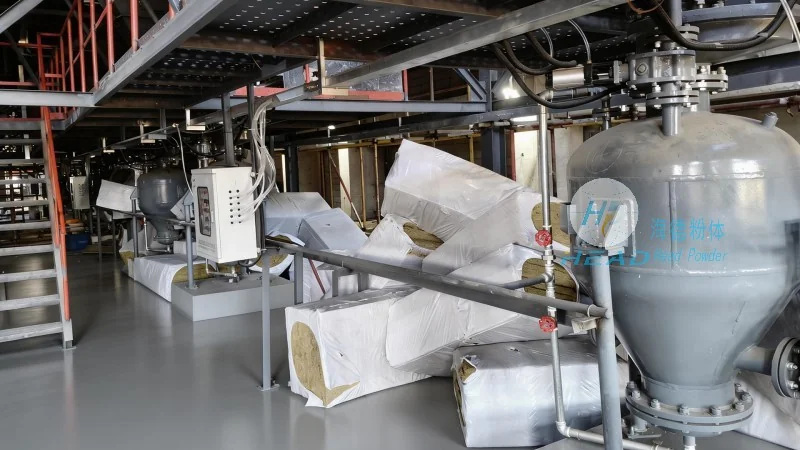
The core principle of PP granule pneumatic conveying involves the creation of a pressure differential or vacuum to move the material. In a typical setup, the system uses a blower or compressor to generate airflow. The PP granules are introduced into the conveying line, often through a hopper or feeder, and are then entrained by the air stream. The air and granules travel through the pipeline, with the velocity of the air ensuring that the granules remain suspended and transported to the destination. The system may employ different conveying modes, such as dilute phase or dense phase, depending on the material characteristics and distance to be covered. Dilute phase conveying is suitable for shorter distances and lighter loads, while dense phase conveying is used for longer distances or when handling materials that are prone to degradation or segregation.
The PP granule pneumatic conveying system consists of several key components, each playing a vital role in the overall operation. The main components include a hopper or feeder for material storage and discharge, a blower or compressor to generate the necessary airflow, a conveying pipeline with appropriate diameter and material (often stainless steel or other corrosion-resistant materials to handle PP granules), a control system for regulating airflow and pressure, and a receiver or discharge hopper at the destination. The hopper ensures a consistent supply of PP granules, preventing blockages and maintaining a steady flow. The blower or compressor provides the pressure or vacuum required to move the material through the pipeline. The conveying pipeline is designed to minimize friction and pressure loss, with appropriate bends and fittings to maintain the air flow and granule suspension. The control system allows operators to adjust the airflow rate, pressure, and other parameters to optimize the conveying process and prevent issues such as clogging or material degradation. The receiver at the end of the pipeline collects the conveyed PP granules, ensuring a clean and efficient discharge.
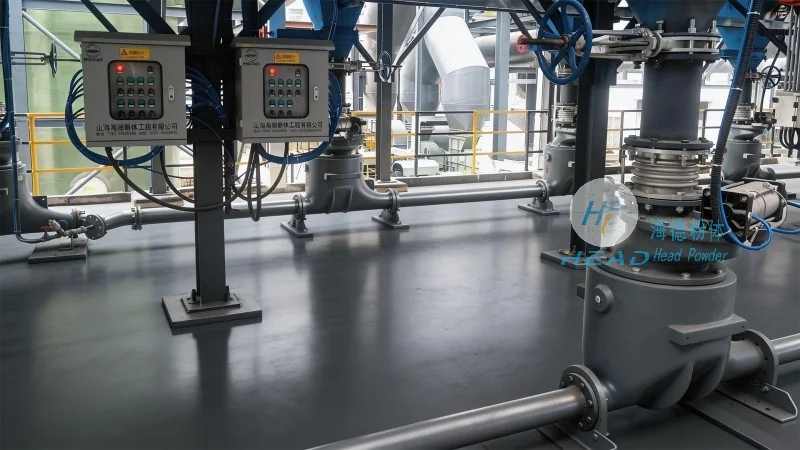
PP granule pneumatic conveying equipment is widely used in various industrial applications where the handling of PP granules is essential. The working scene characteristics of this equipment are tailored to meet the specific needs of different industries, ensuring optimal performance and reliability. In manufacturing facilities, such as plastic processing plants, the equipment is used to transport PP granules from storage silos to processing machines, such as extruders or injection molding machines. This ensures a continuous and uninterrupted supply of raw material, reducing downtime and increasing production efficiency. In chemical and petrochemical industries, the system is employed to transport PP granules from storage areas to production lines, where they are used as a raw material in the manufacturing of various plastic products. The equipment is also utilized in food processing and pharmaceutical industries, where the hygienic design of the system is crucial to prevent contamination and maintain product quality. The working scene characteristics include the ability to handle large volumes of PP granules, the flexibility to operate in different environments, and the reliability to ensure consistent material flow. Additionally, the system can be integrated with other equipment, such as mixers or dryers, to form a complete production line, enhancing overall operational efficiency.
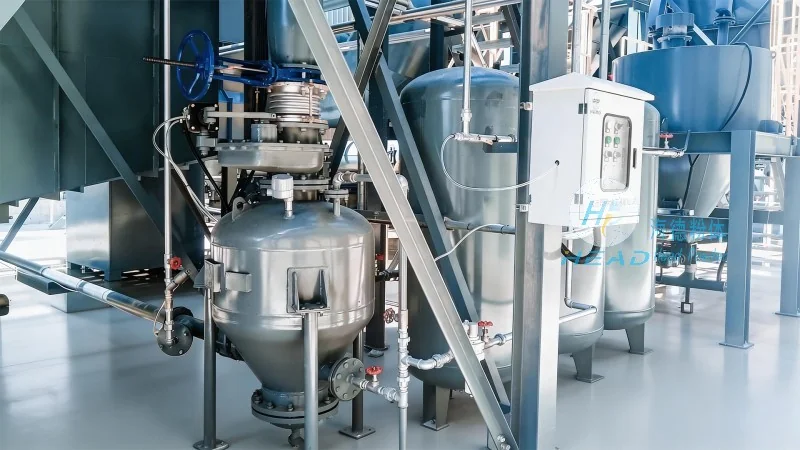
PP granule pneumatic conveying equipment offers several advantages over traditional mechanical conveying systems. One of the primary advantages is the reduction in product contamination, as the system does not use mechanical components that could introduce dust or particles into the material. This is particularly important for PP granules, which are often used in applications where purity is critical, such as in the production of medical devices or food packaging. Another advantage is the ability to handle a wide range of material characteristics, including different sizes, shapes, and moisture content. The system can also be designed to operate in different environments, such as dusty or humid conditions, without compromising performance. Additionally, the equipment is relatively easy to install and maintain, with minimal downtime required for maintenance. The use of air as the conveying medium also allows for the integration of the system with other equipment, such as filters or separators, to enhance the overall material handling process. Overall, the PP granule pneumatic conveying equipment provides a cost-effective and efficient solution for the transport of PP granules in various industrial applications.
PP granule pneumatic conveying equipment is a vital component in modern industrial material handling processes. The system's ability to efficiently and reliably transport PP granules, while minimizing contamination and optimizing operational efficiency, makes it an essential tool for various industries. With its versatile design and adaptability to different working scenes, the equipment offers a reliable solution for the transport of PP granules. As the demand for efficient material handling increases, the use of pneumatic conveying systems, such as the PP granule pneumatic conveying equipment, will continue to grow, providing industries with a sustainable and effective solution for their material transport needs. Shandong HeadPowder Engineering Co., Ltd. (headpowder), based in China, is committed to delivering high-quality pneumatic conveying solutions that meet the evolving needs of the industry.

 Shandong Headpowder Engineering Co., Ltd.
 156-6277-7102(Manager Zhang)
  0531-83386006
  Zhangqiu District, Jinan City, Shandong Province, China
telephone
WeChatconsult
top