With more than 10‑year industry experience, Shandong Headpowder delivers full‑service pneumatic‑conveying systems and blowers, undertaking nationwide turn‑key powder‑handling projects.
Gas-pneumatic conveying is a critical technology in material handling, particularly for handling polyethylene and other granular or powdery materials. This method involves transporting bulk materials through a pipeline using a stream of air or other gas. The process is efficient, cost-effective, and suitable for various industrial applications, especially in the polymer and chemical sectors. Understanding the working principle and classification of these systems is essential for selecting the right equipment for specific material handling needs.
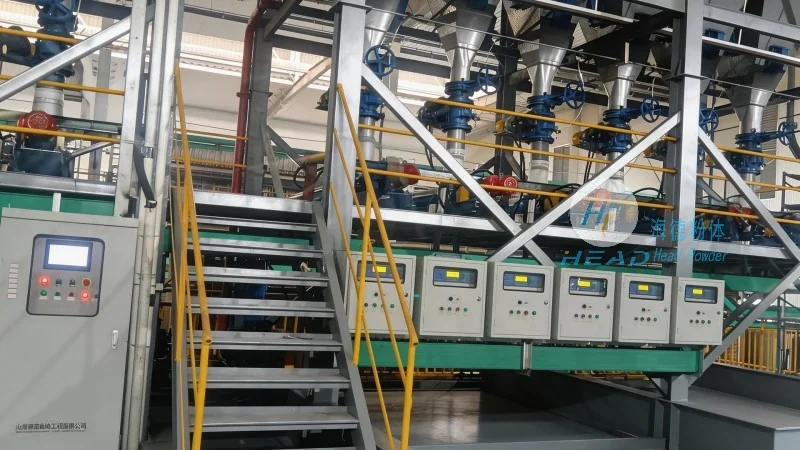
The core principle of gas-pneumatic conveying for polyethylene involves creating a pressure differential or using a vacuum to move material through a pipeline. In a typical system, a fan or blower generates airflow that propels the polyethylene particles. The material is fed into the system, often through a hopper or feeder, and is then carried by the air stream to the destination point. The system can operate under positive pressure (where air is forced into the system) or negative pressure (where air is drawn out, creating a vacuum). The choice of pressure type depends on the material characteristics, distance, and system layout. The efficiency of the conveying process is influenced by factors such as air velocity, material density, and particle size. Proper design ensures that the air velocity is sufficient to lift and transport the polyethylene particles without causing excessive wear or degradation of the material.
Polyethylene gas-pneumatic conveying systems are classified based on several key factors, including the method of air delivery, the type of material handling, and the operational pressure. The primary classifications include:
1. Positive Pressure Systems: These systems use a blower to force air into the conveying line, creating a positive pressure environment. The material is drawn into the air stream and transported to the destination. Positive pressure systems are commonly used for short to medium distances and are suitable for materials that are prone to dust or contamination. They are also effective for conveying materials that require a controlled environment, such as food-grade polyethylene.
2. Negative Pressure (Vacuum) Systems: In these systems, a vacuum pump creates a negative pressure within the conveying line, drawing material from the source and pulling it to the destination. This method is ideal for applications where the material needs to be transported from a higher elevation to a lower one or where the material is sensitive to air exposure. Negative pressure systems are often used for longer distances and for materials that are more prone to clogging or blockage.
3. Pressure-Independent Systems: These systems combine elements of both positive and negative pressure, using a combination of fans and vacuum pumps to maintain a stable pressure. They are versatile and can adapt to varying material characteristics and system requirements. Pressure-independent systems are suitable for complex layouts and for handling materials with varying particle sizes or densities.
4. Horizontal and Vertical Conveying: Conveying systems can be classified based on the direction of material movement. Horizontal systems transport material along a horizontal pipeline, while vertical systems move material vertically, often using a combination of horizontal and vertical sections. Vertical conveying is particularly useful for elevating materials to higher levels, such as in storage silos or processing plants. The design of the system, including the number of bends and the length of vertical sections, affects the overall efficiency and energy consumption.
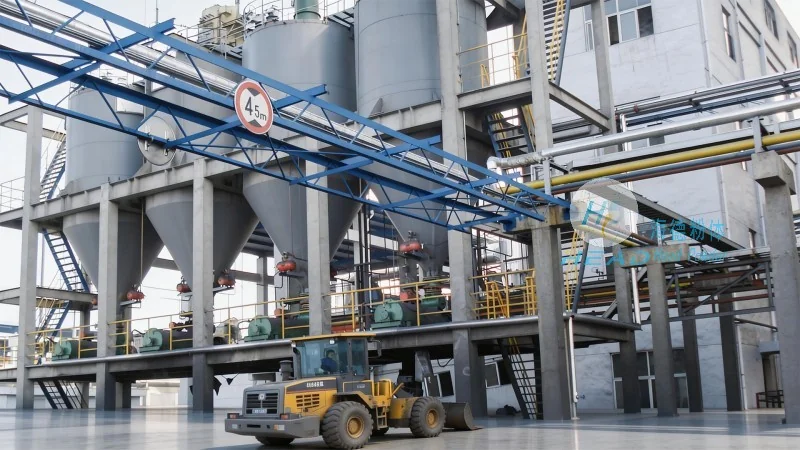
Polyethylene gas-pneumatic conveying systems are widely used in various industrial applications due to their efficiency and adaptability. Some common applications include:
1. Polyethylene Resin Handling: In polymer manufacturing plants, these systems are used to transport polyethylene resin from storage silos to processing equipment, such as extruders or reactors. The systems ensure a continuous and controlled supply of material, which is crucial for maintaining production efficiency. The handling of polyethylene resin requires systems that can handle high volumes and maintain material quality, avoiding contamination or degradation.
2. Packaging and Material Distribution: In packaging facilities, gas-pneumatic conveying is used to transport polyethylene pellets or flakes from storage to packaging machines. This method allows for efficient and clean material transfer, reducing the risk of spillage or contamination. The systems are often integrated with packaging lines to ensure a smooth and continuous operation.
3. Chemical and Pharmaceutical Processing: For materials used in chemical and pharmaceutical industries, such as polyethylene-based compounds, gas-pneumatic conveying provides a hygienic and controlled environment. The systems can be designed to meet stringent cleanliness standards, making them suitable for handling materials that require high purity and minimal contamination.
4. Construction and Infrastructure Projects: In construction, polyethylene gas-pneumatic conveying is used to transport materials like polyethylene granules for road construction or building insulation. The systems are efficient for moving large volumes of material over long distances, supporting large-scale projects.
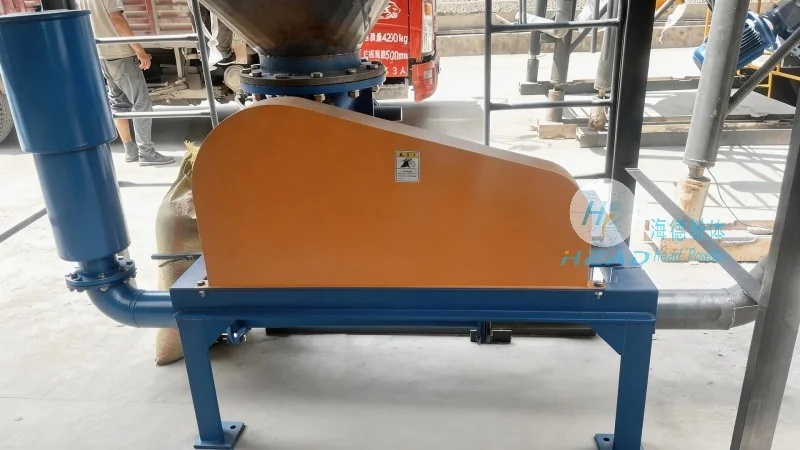
When designing a polyethylene gas-pneumatic conveying system, several factors must be considered to ensure optimal performance and efficiency. These include:
1. Material Characteristics: The properties of the polyethylene, such as particle size, density, and moisture content, significantly impact the system design. For example, fine particles may require higher air velocities to prevent clogging, while larger particles may need different nozzle designs to ensure proper flow.
2. System Layout and Distance: The distance and layout of the conveying line affect the choice of system type and components. Longer distances may require higher air pressure or more powerful fans, while complex layouts may need additional bends or pulse jets to maintain material flow.
3. Energy Efficiency: Modern systems focus on energy efficiency to reduce operational costs. This includes using high-efficiency fans, optimizing air velocity, and minimizing pressure losses in the pipeline. Energy-efficient designs also contribute to lower carbon emissions, aligning with sustainability goals.
4. Equipment Maintenance: Regular maintenance is crucial for the longevity and reliability of the system. This includes cleaning the pipeline, replacing worn components, and monitoring air pressure and flow rates. Proper maintenance ensures that the system operates at peak performance and minimizes downtime.
Polyethylene gas-pneumatic conveying is a versatile and efficient method for handling polyethylene materials in various industrial applications. Understanding the working principle and classification of these systems is essential for selecting the right equipment for specific needs. By considering material characteristics, system layout, and operational requirements, industries can implement effective and reliable conveying systems. Companies like Shandong HeadPowder Engineering Co., Ltd. specialize in designing and manufacturing such systems, providing tailored solutions for diverse material handling challenges. Their expertise in the field ensures that clients receive high-quality equipment that meets their specific requirements, contributing to improved operational efficiency and productivity.

 Shandong Headpowder Engineering Co., Ltd.
 156-6277-7102(Manager Zhang)
  0531-83386006
  Zhangqiu District, Jinan City, Shandong Province, China
telephone
WeChatconsult
top