

Principle and Working Scene Characteristics of Straw Powder Pneumatic Conveying Machines
Straw powder pneumatic conveying machines are essential equipment in agricultural and industrial processing, designed to efficiently transport fine straw powders through a pressurized or vacuum system. The core principle of these machines involves using air as the conveying medium to move the material from a source to a destination, eliminating the need for mechanical components like belts or buckets that might cause contamination or wear. This pneumatic approach ensures a clean, hygienic, and low-maintenance solution for handling straw powders, which are often used in animal feed, biofuel production, and other value-added applications.
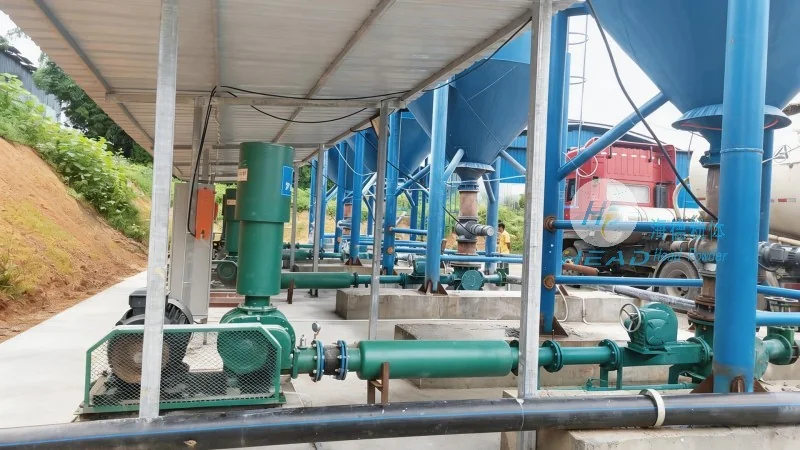
Key Working Principles of Straw Powder Pneumatic Conveying Systems
The operation of a straw powder pneumatic conveying machine is based on the fundamental principle of fluid dynamics, where air is compressed or drawn to create a pressure differential that propels the solid particles. There are two primary types of pneumatic conveying systems: pressure and vacuum. In pressure systems, a positive pressure is generated at the inlet, pushing the material through the pipeline. Vacuum systems, on the other hand, create a negative pressure at the outlet, drawing the material into the system. For straw powders, which are typically fine and lightweight, a combination of these methods may be used to optimize flow and reduce energy consumption. The machine's design includes components such as a hopper for material storage, a blower or compressor to generate airflow, and a pipeline network that directs the material to the discharge point. The material is often pre-dried and ground to a consistent particle size to ensure smooth flow and prevent blockages. The air-to-material ratio is a critical parameter, as it determines the efficiency and capacity of the conveying process. Proper adjustment of this ratio ensures that the system operates at peak performance without excessive energy use or material degradation.
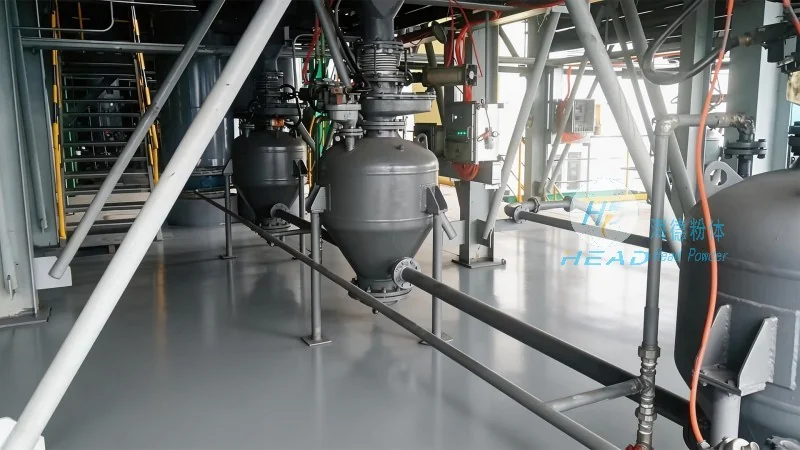
Working Scene Characteristics and Applications
Straw powder pneumatic conveying machines are widely used in various industrial and agricultural settings, each with distinct characteristics that define their operational environment. In agricultural processing facilities, these machines are commonly employed in feed mills where straw is ground into fine powders for animal feed production. The clean and hygienic nature of pneumatic conveying is particularly advantageous here, as it prevents cross-contamination with other materials and maintains the quality of the feed. In biofuel plants, the equipment is used to transport straw powders to reactors for processing into bioethanol or biogas. The high efficiency and low maintenance of pneumatic systems make them ideal for continuous production processes. Additionally, in food processing and pharmaceutical industries, where straw powders may be used as raw materials or additives, the sanitary design of these machines ensures compliance with regulatory standards. The working scene characteristics also include the need for space optimization, as the equipment can be installed in compact areas due to its flexible pipeline layout. This is especially beneficial in facilities with limited floor space, allowing for efficient use of available area while maintaining high throughput. Another key characteristic is the adaptability of the system to different particle sizes and moisture content. By adjusting the air flow and pressure, operators can handle straw powders with varying properties, ensuring consistent performance across different batches. The system's ability to handle both dry and slightly moist straw powders without clogging makes it versatile for diverse applications.
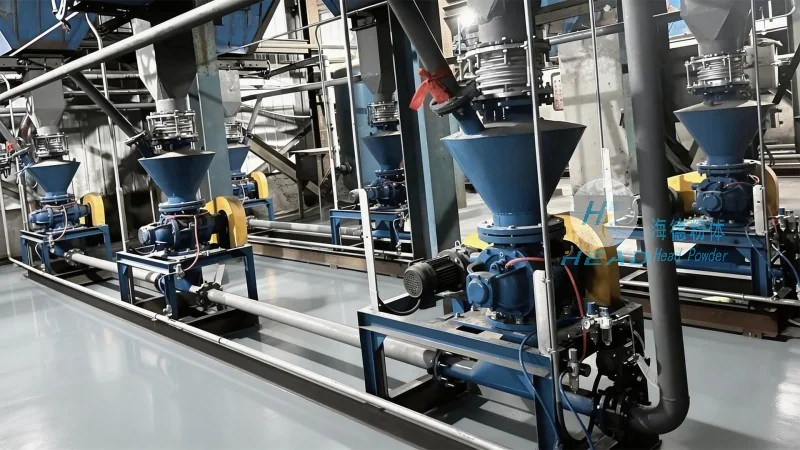
Advantages and Practical Considerations in Operational Environments
When considering the implementation of straw powder pneumatic conveying machines, several advantages and practical considerations are important for optimizing performance and ensuring long-term reliability. One of the primary benefits is the reduction in labor costs and operational downtime. Unlike mechanical conveyors, which require regular maintenance and cleaning, pneumatic systems have fewer moving parts and can be cleaned more easily, minimizing the risk of material buildup and blockages. This leads to higher availability and lower maintenance expenses over the equipment's lifespan. The hygienic design of the machines is another critical advantage, particularly in food and feed industries. The smooth, non-porous surfaces and easy-to-clean components prevent the accumulation of bacteria or other contaminants, ensuring product safety and compliance with industry standards. Energy efficiency is also a significant factor, as modern pneumatic conveying systems use advanced blowers and compressors that operate at optimal efficiency, reducing energy consumption compared to traditional methods. However, practical considerations such as the initial investment cost and space requirements must be evaluated. While the long-term savings in maintenance and energy can offset the upfront cost, the system's performance is highly dependent on the proper sizing of the blower and pipeline network. In addition, the need for proper dust collection and air filtration is essential to prevent environmental pollution and maintain indoor air quality. The working environment must also be considered, as the equipment generates noise and vibration that may require soundproofing measures in sensitive areas. Overall, the advantages of straw powder pneumatic conveying machines make them a preferred choice for many industries, but careful planning and consideration of operational factors are necessary to achieve optimal results.
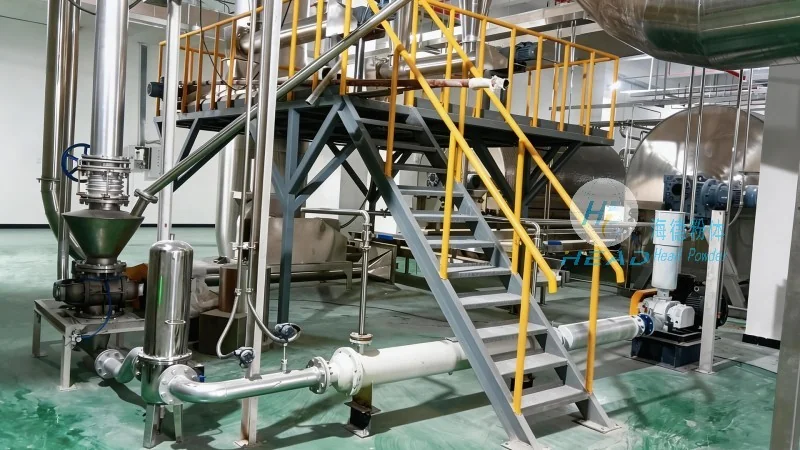
Conclusion and Company Information
Straw powder pneumatic conveying machines represent a sophisticated solution for efficiently handling fine agricultural materials, offering a combination of efficiency, hygiene, and adaptability. The working principles, based on fluid dynamics and air pressure, enable these machines to transport straw powders with minimal contamination and high throughput. The working scene characteristics, ranging from feed mills to biofuel plants, highlight the versatility of the equipment across various industrial applications. As a leader in this field, Shandong HeadPowder Engineering Co., Ltd. specializes in designing and manufacturing high-quality pneumatic conveying systems tailored to the specific needs of clients. With a focus on innovation and customer satisfaction, the company provides reliable equipment that meets the demands of modern agricultural and industrial processing. Based in Shandong, China, HeadPowder Engineering Co., Ltd. leverages its expertise to deliver solutions that enhance productivity and operational efficiency for businesses worldwide.