With more than 10‑year industry experience, Shandong Headpowder delivers full‑service pneumatic‑conveying systems and blowers, undertaking nationwide turn‑key powder‑handling projects.
Guar gum powder, a vital component in numerous industrial processes, demands efficient and reliable handling solutions to maintain its quality and functionality. The pneumatic conveyor system, a sophisticated technology for bulk material transport, is widely recognized as an effective solution for managing guar gum powder. This article delves into the fundamental principles of pneumatic conveyors for guar gum powder and outlines the key working scene characteristics that define their operational effectiveness. The discussion is anchored by the expertise of Shandong HeadPowder Engineering Co., Ltd., a leading provider of industrial conveyor systems based in China, with a focus on practical applications and real-world performance.
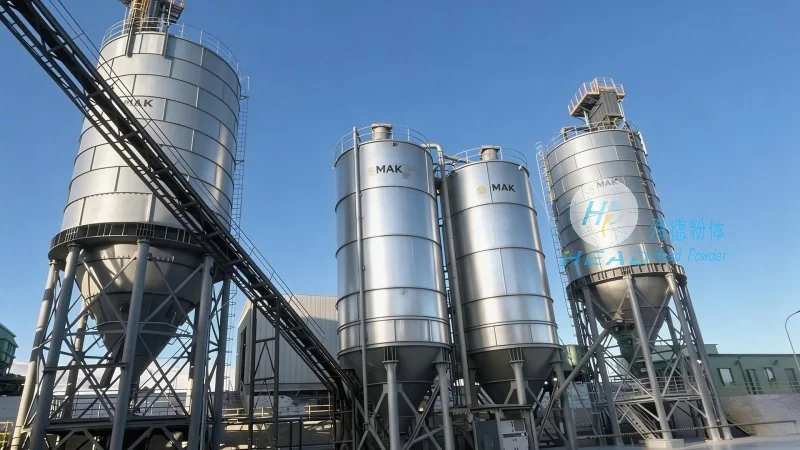
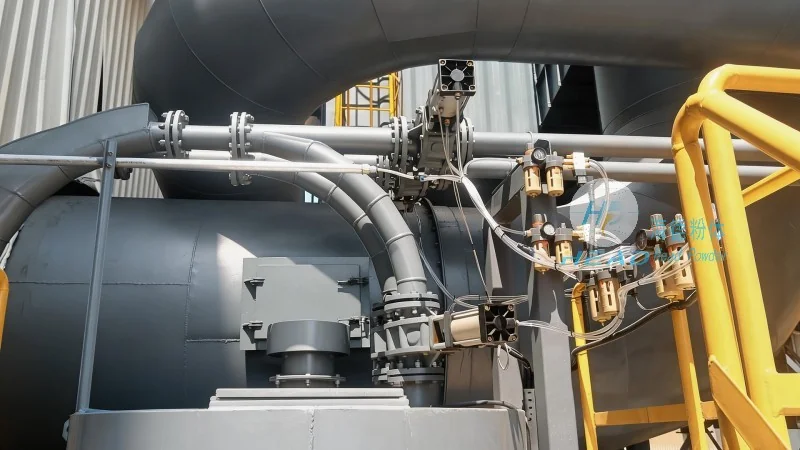
The pneumatic conveyor system operates on the principle of utilizing air to transport bulk materials like guar gum powder through a pipeline. This method eliminates the need for mechanical components such as belts or buckets, reducing maintenance and operational costs. The system typically comprises a hopper, a blower or compressor, a pipeline network, and a discharge point. As guar gum powder is fed into the hopper, the air from the blower is introduced, creating a flow that propels the powder through the pipeline. The design of the conveyor, including the air velocity and pipeline diameter, is critical to ensure efficient transport without causing particle degradation or blockages. The pressure and velocity of the air are carefully controlled to maintain the integrity of the guar gum powder, which is sensitive to mechanical stress and moisture. This principle ensures that the material is transported smoothly and safely, preserving its quality for downstream processes.
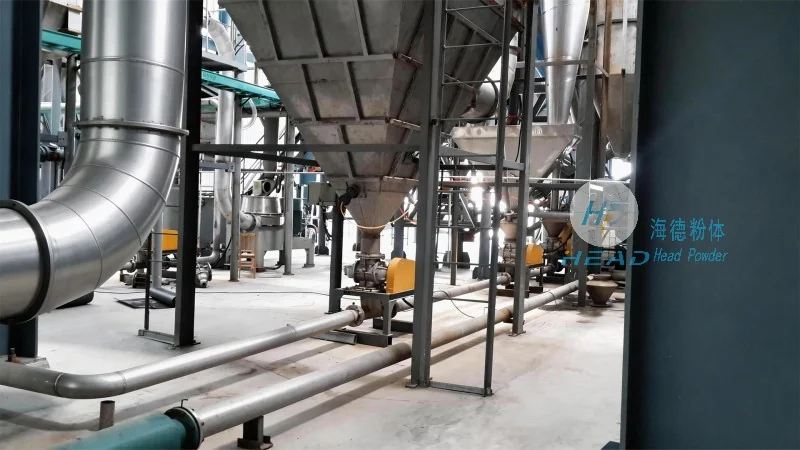
The effectiveness of pneumatic conveyors for guar gum powder is heavily influenced by several working scene characteristics. Firstly, the material's physical properties, such as particle size, density, and moisture content, directly impact the conveyor's performance. Guar gum powder, with its fine particle size and high bulk density, requires specific air velocities to prevent clogging and ensure consistent flow. The system must be designed to handle these characteristics without compromising the material's quality. Secondly, the operational environment, including temperature and humidity, plays a significant role. Guar gum powder is hygroscopic, meaning it absorbs moisture from the air, which can affect its flowability and processing. The pneumatic conveyor must be equipped with appropriate controls to maintain stable conditions, preventing clumping or degradation. Thirdly, the layout and scale of the working scene are crucial. Whether in a small-scale laboratory setting or a large industrial production facility, the conveyor's design must adapt to the space constraints and material throughput requirements. The integration of the conveyor with other processing equipment, such as mixers or storage tanks, is also a key consideration, ensuring seamless material flow and minimizing downtime. Additionally, the safety features of the system, including dust suppression and explosion-proof designs, are vital in handling guar gum powder, which can pose fire hazards in certain conditions. These characteristics collectively determine the suitability and efficiency of pneumatic conveyors in different working scenarios.
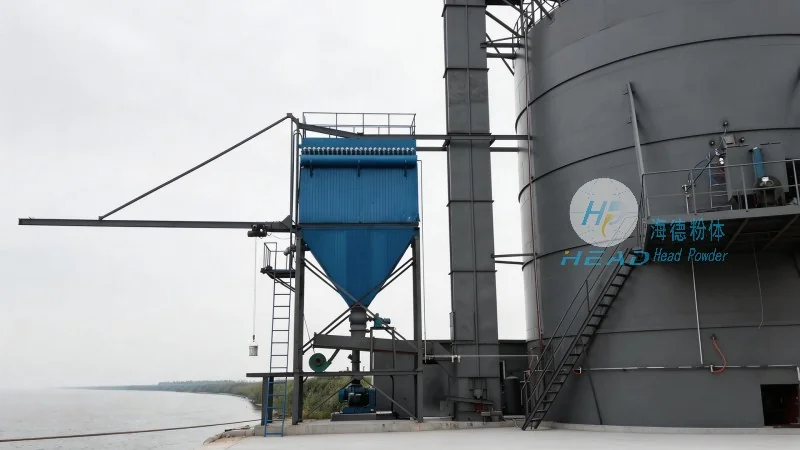
Pneumatic conveyors for guar gum powder are widely used in various industrial applications, including food processing, pharmaceutical manufacturing, and chemical production. In food processing, for example, guar gum is used as a thickening agent in beverages and dairy products. The conveyor system efficiently transports the powder from storage to production lines, ensuring consistent quality and preventing contamination. In pharmaceutical manufacturing, the material's purity is paramount, and the pneumatic conveyor's ability to handle fine particles without cross-contamination is essential. The system's design, with enclosed pipelines and filtered air, maintains the required standards for pharmaceutical-grade guar gum. In chemical production, the conveyor is used to transport guar gum powder to reactors or mixing tanks, where it is incorporated into various formulations. The performance of the conveyor in these scenarios is measured by factors such as throughput, material recovery rate, and operational reliability. High throughput and low maintenance are critical for cost-effectiveness, while the ability to maintain material quality ensures product consistency. The working scene characteristics, such as the scale of production and the type of downstream equipment, influence the choice of conveyor design, whether it's a pressure or vacuum system. Pressure systems are typically used for long-distance transport and high-volume applications, while vacuum systems are suitable for short distances and handling fine powders. The selection of the appropriate system depends on the specific requirements of the working scene, ensuring optimal performance and efficiency.

 Shandong Headpowder Engineering Co., Ltd.
 156-6277-7102(Manager Zhang)
  0531-83386006
  Zhangqiu District, Jinan City, Shandong Province, China
telephone
WeChatconsult
top