Principle and Classification Application of Thermoplastic Polyurethane Pneumatic Conveying
Release time:2026-09-14 10:40:10
name of the company:Shandong Headpowder Engineering Co., Ltd.
telephone:156-6277-7102
contacts:Manager Zhang
Thermoplastic polyurethane (TPU) pneumatic conveying systems represent a sophisticated method for transporting bulk materials through an air-driven process. This technology is widely utilized across various industries due to its efficiency, flexibility, and ability to handle a broad range of material types. Understanding the fundamental principles behind TPU pneumatic conveying, along with its classification and practical applications, is crucial for selecting the appropriate system for specific operational needs.
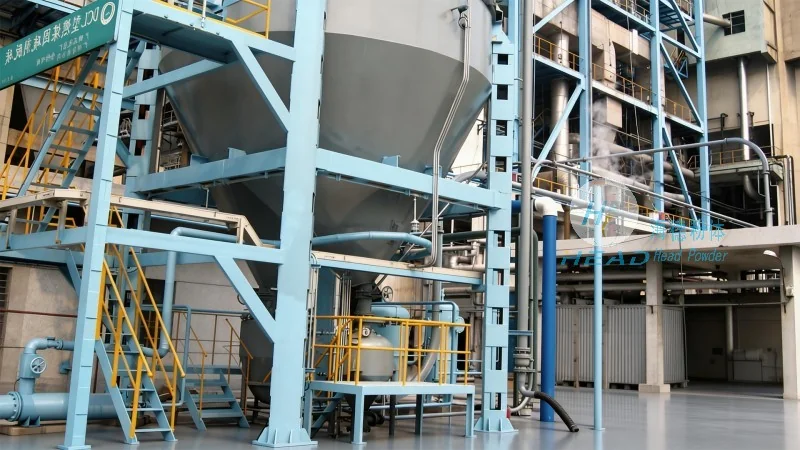
Working Principle of Thermoplastic Polyurethane Pneumatic Conveying
The core mechanism of thermoplastic polyurethane pneumatic conveying involves the use of compressed air to move solid particles through a pipeline. The process typically begins with the material being fed into a hopper or feeder, where it is then introduced into the conveying line. Compressed air, often supplied by a blower or compressor, is introduced at a specific pressure and flow rate to create a flow of air and material particles. The interaction between the air and the particles generates a drag force that propels the material forward. The design of the TPU material, characterized by its elasticity and durability, ensures that it can withstand the mechanical stresses associated with high-velocity air flow and particle impact, making it an ideal choice for such applications.
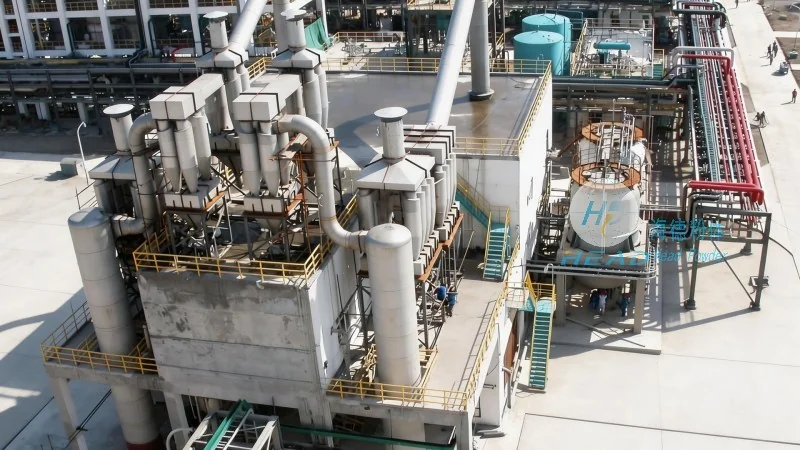
Classification of Thermoplastic Polyurethane Pneumatic Conveying Systems
Thermoplastic polyurethane pneumatic conveying systems can be classified based on several key parameters, including the conveying method, material properties, and operational requirements. The primary classifications include:
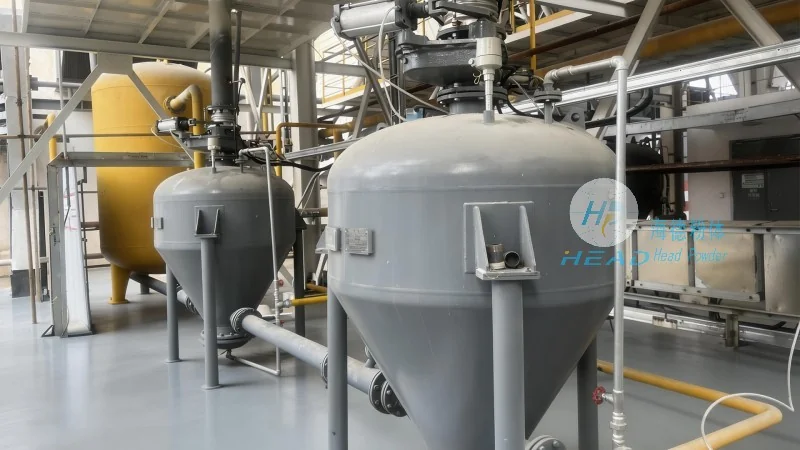
- Positive Pressure Systems: In these systems, compressed air is supplied to the conveying line, creating a positive pressure that pushes the material forward. This method is suitable for short to medium distances and is commonly used for transporting materials with low to moderate density.
- Negative Pressure (Vacuum) Systems: These systems utilize a vacuum to draw material from a source into the conveying line. The vacuum is created by a fan or vacuum pump, and the material is pulled through the pipeline. Negative pressure systems are often preferred for applications requiring material collection from multiple points or for transporting materials over longer distances.
- Two-Phase Flow Systems: This classification involves the simultaneous transport of both solid particles and air. The air serves as the medium for conveying the material, and the system is designed to maintain a specific air-to-material ratio to ensure efficient transport. Two-phase flow systems are particularly effective for handling fine powders and granules.
Application Scenarios for Thermoplastic Polyurethane Pneumatic Conveying
The versatility of thermoplastic polyurethane pneumatic conveying makes it applicable across a wide array of industries and material types. Some common application scenarios include:
- Pharmaceutical and Food Processing: In these sectors, the hygienic and non-stick properties of TPU are highly valued. The material is used to transport powders such as pharmaceuticals, food additives, and granules, ensuring that the product remains uncontaminated and free from moisture. The smooth surface of TPU also reduces the risk of material buildup and bacterial growth, meeting stringent regulatory standards.
- Chemical and Industrial Manufacturing: For the handling of chemicals, pigments, and industrial powders, TPU's chemical resistance and durability are essential. The system can effectively convey abrasive or corrosive materials without degradation, extending the service life of the equipment. This is particularly important in environments where material contamination or equipment failure could lead to significant operational disruptions.
- Mineral and Mining Industries: In mining operations, the ability to transport bulk minerals, ores, and coal over long distances is critical. Thermoplastic polyurethane pneumatic conveying systems are used to move these materials from extraction sites to processing facilities. The system's efficiency in handling high-volume, low-density materials reduces transportation costs and improves overall productivity.
- Construction Materials: The construction industry benefits from TPU pneumatic conveying for transporting cement, sand, and other aggregates. The system allows for the rapid and dust-free movement of these materials, enhancing safety and operational efficiency on construction sites. The flexibility of the TPU material also enables the design of compact and adaptable conveying lines that can be integrated into existing infrastructure.
Advantages of Thermoplastic Polyurethane Pneumatic Conveying
Several key advantages make thermoplastic polyurethane pneumatic conveying a preferred choice for many applications:
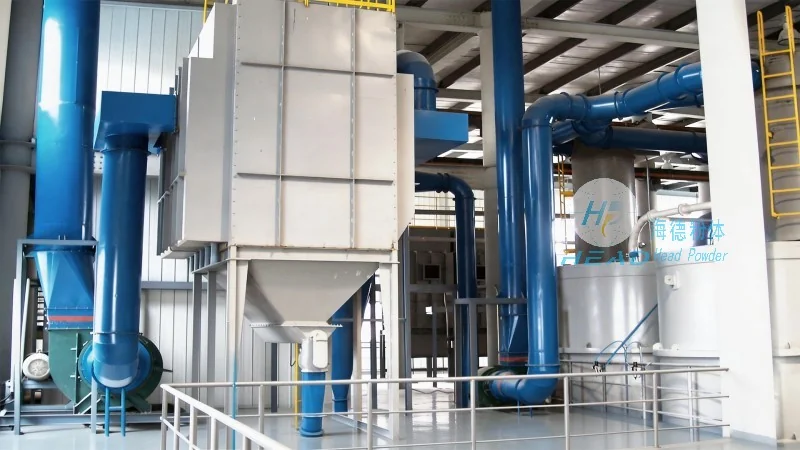
- Efficiency and Speed: The use of compressed air allows for rapid material transport, reducing processing times and increasing overall throughput. The system can handle high material flow rates, making it suitable for high-volume operations.
- Low Maintenance: TPU components are designed to be durable and resistant to wear and tear. This reduces the frequency of maintenance and replacement, lowering long-term operational costs. The smooth interior surface of TPU pipelines also minimizes material buildup, further reducing cleaning and maintenance requirements.
- Flexibility and Adaptability: The modular design of TPU pneumatic conveying systems allows for easy customization and expansion. This flexibility enables the system to be adapted to changing operational needs or to accommodate new material types without significant modifications. The ability to integrate various components, such as hoppers, filters, and control systems, provides a high degree of adaptability.
- Energy Efficiency: Compared to traditional mechanical conveying methods, such as belt conveyors or screw conveyors, pneumatic conveying systems can be more energy-efficient, especially for short to medium distances. The use of compressed air is optimized to minimize energy consumption while maintaining effective material transport.
Conclusion
Thermoplastic polyurethane pneumatic conveying is a reliable and efficient technology for transporting bulk materials across various industries. By understanding the working principles and classification of these systems, as well as their practical applications, businesses can select the most suitable solution to meet their operational requirements. The durability, flexibility, and performance characteristics of TPU make it an ideal material for pneumatic conveying applications, ensuring long-term operational efficiency and cost-effectiveness.

 Shandong Headpowder Engineering Co., Ltd.
 156-6277-7102(Manager Zhang)
  0531-83386006
  Zhangqiu District, Jinan City, Shandong Province, China