With more than 10‑year industry experience, Shandong Headpowder delivers full‑service pneumatic‑conveying systems and blowers, undertaking nationwide turn‑key powder‑handling projects.
For industries dealing with polypropylene pellets, efficient and reliable material handling is crucial. The polypropylene pellet conveying system, particularly through pneumatic conveying methods, offers significant benefits in terms of process efficiency, safety, and operational flexibility. This article provides an overview of such systems, highlighting their key features and advantages.
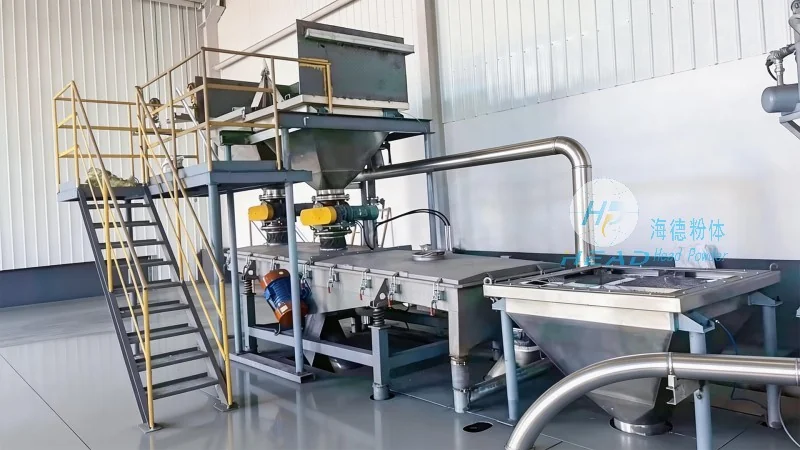
Polypropylene pellet conveying systems are designed to transport polypropylene pellets from storage silos or production lines to processing equipment or packaging areas. These systems can be categorized into different types based on the conveying method, with pneumatic conveying being one of the most common and effective solutions. Pneumatic conveying uses air or other gases to move the pellets through a pipeline network, eliminating the need for mechanical components like conveyors or buckets in many cases.
The primary feature of pneumatic conveying is its ability to handle polypropylene pellets in a dust-free environment, which is essential for maintaining product quality and preventing contamination. This method also allows for the integration of multiple conveying lines from different sources to a central processing unit, enhancing operational flexibility. Additionally, pneumatic systems can be designed to operate under pressure or vacuum, providing versatility in material movement.
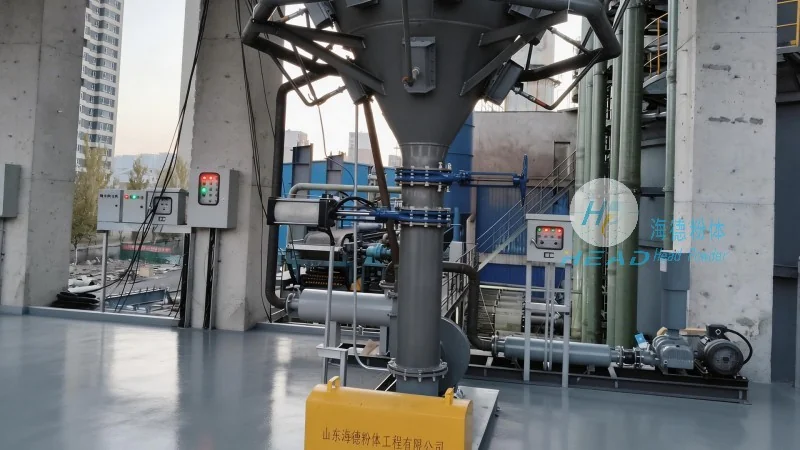
One of the most significant advantages of polypropylene pellet pneumatic conveying is the reduction in material handling time and labor costs. By automating the transport process, companies can achieve higher throughput rates and improve overall production efficiency. The system also minimizes product degradation due to reduced friction and exposure to air, which is critical for maintaining the physical properties of polypropylene pellets. Furthermore, pneumatic conveying systems are less prone to mechanical failures compared to traditional conveyor systems, leading to lower maintenance requirements and longer service life.
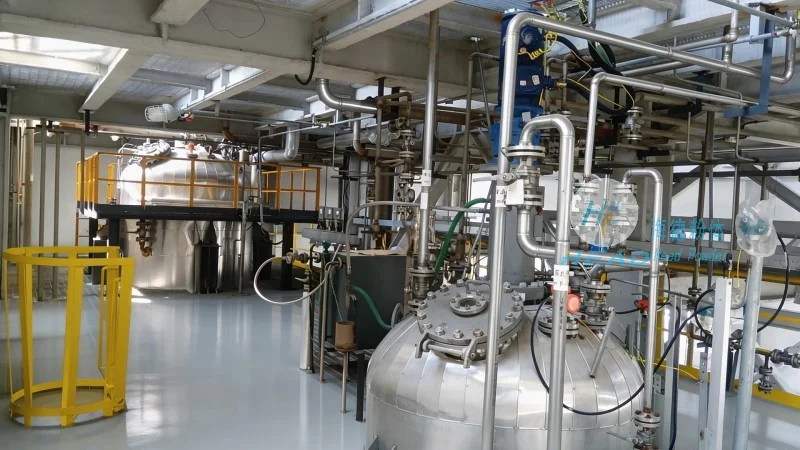
Polypropylene pellet conveying systems are widely used in various industries, including plastics manufacturing, packaging, and chemical processing. In the plastics industry, these systems are integral to the production of polypropylene-based products such as fibers, films, and molded parts. The ability to convey pellets efficiently from storage to extrusion or molding equipment ensures a smooth production flow, reducing downtime and increasing output. In the packaging sector, pneumatic conveying helps in transporting pellets to packaging lines, where they are converted into final products like bottles or containers. The consistent and reliable delivery of polypropylene pellets through these systems directly impacts the quality and consistency of the end products.
Shandong HeadPowder Engineering Co., Ltd., commonly known as HeadPowder, is a leading provider of specialized material handling solutions, including polypropylene pellet conveying systems. With a focus on innovation and customer satisfaction, HeadPowder has established itself as a trusted partner in the plastics and chemical industries. The company's headquarters is located in Shandong, China, where it leverages advanced technology and expertise to design and manufacture high-quality conveying systems tailored to the specific needs of its clients. HeadPowder's commitment to quality and reliability has made it a preferred choice for businesses seeking efficient and effective polypropylene pellet handling solutions.

 Shandong Headpowder Engineering Co., Ltd.
 156-6277-7102(Manager Zhang)
  0531-83386006
  Zhangqiu District, Jinan City, Shandong Province, China
telephone
WeChatconsult
top