With more than 10‑year industry experience, Shandong Headpowder delivers full‑service pneumatic‑conveying systems and blowers, undertaking nationwide turn‑key powder‑handling projects.
Algae residue pellet pneumatic conveying is a specialized method for transporting granular materials, particularly those derived from algal biomass processing. This technology involves the use of air to move particles through a pipeline system, offering advantages such as high efficiency, minimal contamination, and the ability to handle materials in various industrial settings. As part of the broader category of pneumatic conveying systems, this specific application focuses on the unique characteristics of algae-derived residues, which often present challenges in handling due to their moisture content, density, and particle size distribution.
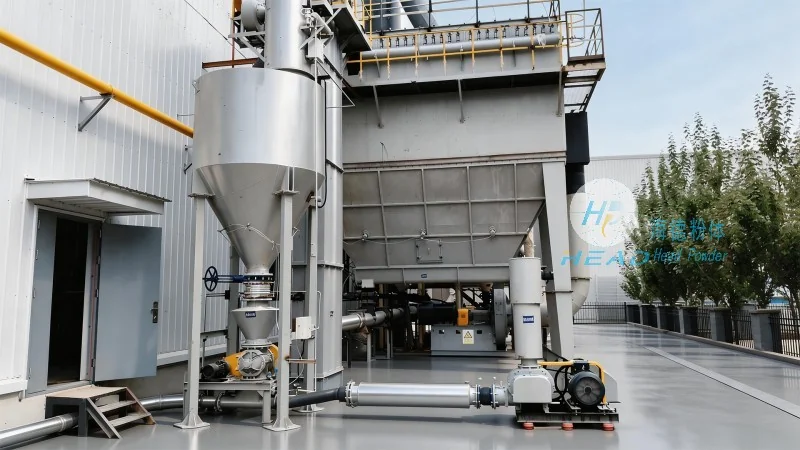
Pneumatic conveying systems are classified into two main types: positive pressure and negative pressure. Positive pressure systems use a blower or compressor to generate air pressure that pushes material through the pipeline, while negative pressure systems employ a vacuum to draw material into the system. For algae residue pellets, the choice of system depends on factors like the material's properties, the distance of transport, and the required flow rate. Positive pressure systems are often preferred for long-distance or high-volume applications due to their ability to maintain consistent pressure and prevent material degradation. Negative pressure systems, on the other hand, are suitable for short-distance transport or when handling materials that are sensitive to pressure changes.
The effectiveness of an algae residue pellet pneumatic conveying system relies on several critical components. These include the material feed hopper, which ensures a consistent flow of pellets into the system; the air supply unit, which provides the necessary pressure or vacuum; the conveying pipeline, typically made of materials like stainless steel or plastic to withstand the abrasive nature of the pellets; and the discharge unit, which delivers the material to its final destination. Additionally, components such as cyclones, filters, and dust collectors are often integrated to manage air quality and prevent material loss. The design of these components must consider the specific characteristics of algae residue pellets, including their moisture content, which can affect air flow and system efficiency.
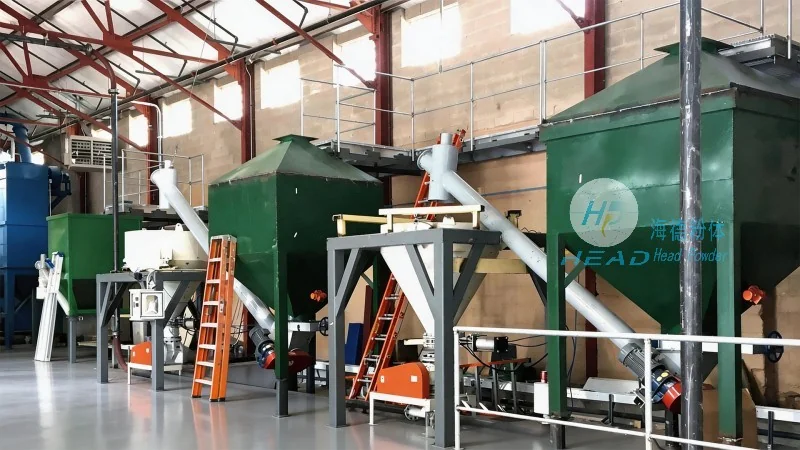
Algae residue pellet pneumatic conveying is widely used in various industrial applications, particularly in the biofuel and bioproduct industries. One primary application is the transport of algae-derived pellets from processing facilities to storage or further processing units, such as drying or pelletizing. This method is advantageous for moving materials over long distances without the need for mechanical conveyors, which can be less efficient and more prone to material contamination. Another application is in the integration of algae residue into composting or waste management systems, where the pellets are transported to composting facilities for processing. The ability to handle large volumes of material efficiently makes pneumatic conveying a preferred choice for these operations.
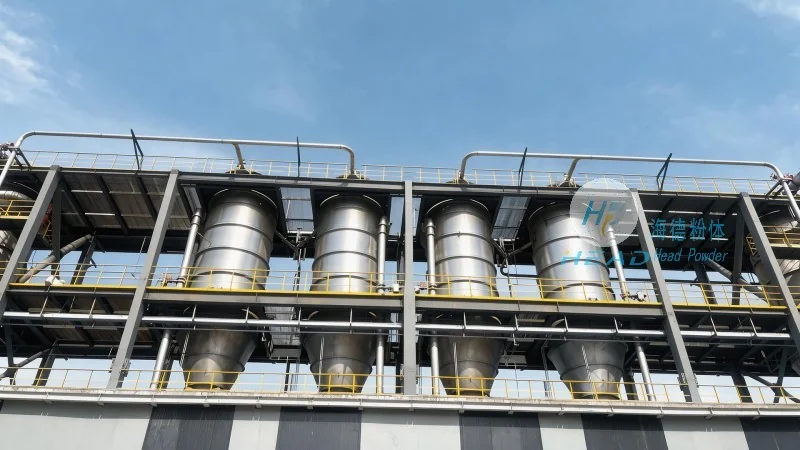
Implementing algae residue pellet pneumatic conveying offers several benefits. These include reduced labor costs compared to manual handling, improved material quality due to minimal exposure to external contaminants, and the ability to automate the transport process. Additionally, the system can be integrated with other processing equipment, enhancing overall operational efficiency. However, challenges exist, particularly related to the material's moisture content, which can lead to clogging or reduced air flow efficiency. To mitigate these issues, systems may include moisture control measures, such as pre-drying the pellets or using specialized air filters. Another challenge is the potential for wear and tear on the pipeline and components due to the abrasive nature of the pellets, requiring regular maintenance and replacement of parts.
Shandong HeadPowder Engineering Co., Ltd., a leading provider of pneumatic conveying solutions, has successfully implemented algae residue pellet pneumatic conveying systems for several clients. One notable project involved a biofuel company in China that needed to transport algae residue pellets from their processing plant to a storage facility located 2 kilometers away. The company designed a positive pressure system with a stainless steel pipeline and integrated cyclones to separate any fine particles. The system was able to maintain a consistent flow rate of 5 tons per hour, meeting the client's production requirements. Another project involved a waste management facility that used the system to transport algae residue pellets to a composting site. The negative pressure system was chosen for this application due to the shorter distance and the need to minimize noise and air pollution. The system's efficiency and reliability have contributed to improved operational performance for both clients.

 Shandong Headpowder Engineering Co., Ltd.
 156-6277-7102(Manager Zhang)
  0531-83386006
  Zhangqiu District, Jinan City, Shandong Province, China
telephone
WeChatconsult
top