With more than 10‑year industry experience, Shandong Headpowder delivers full‑service pneumatic‑conveying systems and blowers, undertaking nationwide turn‑key powder‑handling projects.
Synthetic fiber pneumatic conveying systems represent a sophisticated material handling technology that leverages air as the primary transport medium to move fine powders and granular materials. This method is widely adopted across various industries due to its efficiency, flexibility, and ability to handle diverse material properties. Understanding the classification and applications of pneumatic conveying systems is essential for optimizing material transport processes and ensuring operational efficiency.
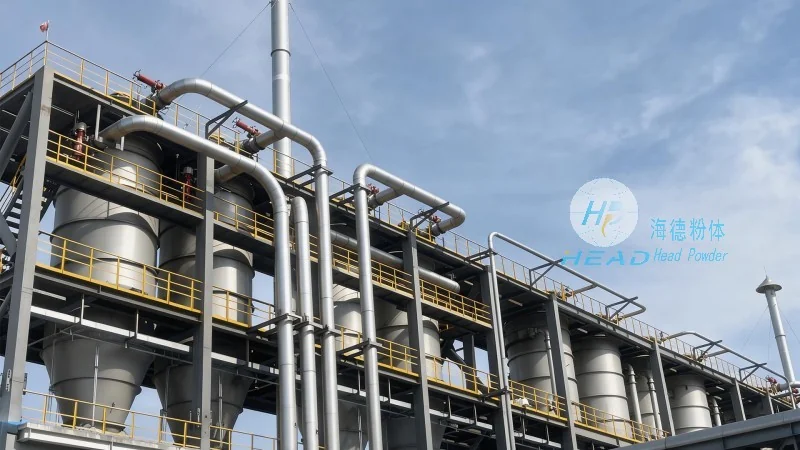
Synthetic fiber pneumatic conveying, as exemplified by solutions from Shandong HeadPowder Engineering Co., Ltd., utilizes specialized materials to enhance the performance and durability of material transport systems. These systems are designed to handle a broad spectrum of materials, from fine powders to bulk solids, with minimal maintenance and high efficiency. The core principle involves creating a pressure differential to move materials through a network of pipes, using air as the medium. This enclosed system design protects the material from external factors such as moisture, contamination, and environmental changes, making it particularly suitable for sensitive or reactive materials. The use of synthetic fibers in the conveying line is a critical feature, as it provides flexibility, resistance to abrasion, and the ability to handle a variety of material types without compromising system performance. With operations based in Shandong, China, HeadPowder Engineering Co., Ltd. specializes in providing tailored pneumatic conveying solutions that meet the diverse needs of industries ranging from pharmaceuticals to mining.
The synthetic fiber pneumatic conveying system typically comprises several interdependent components that work in concert to ensure smooth material transport. These include the air compressor or blower, which generates the necessary air pressure to drive material movement; the hopper or feeder, which holds the material and controls the flow rate to maintain consistent system performance; the conveying line, which is lined with synthetic fibers to reduce friction, prevent material buildup, and enhance durability; and the receiver or discharge unit, where the material is collected after transport. Additional components such as filters, cyclones, and dust collectors are integrated to manage air quality, ensure compliance with environmental regulations, and prevent material loss. The synthetic fiber lining in the conveying line is a distinguishing feature, as it offers superior flexibility compared to traditional metal or plastic liners, allowing the system to accommodate material variations and reduce wear over time. This design choice also minimizes the risk of material clogging and ensures consistent airflow, which is crucial for maintaining system efficiency.
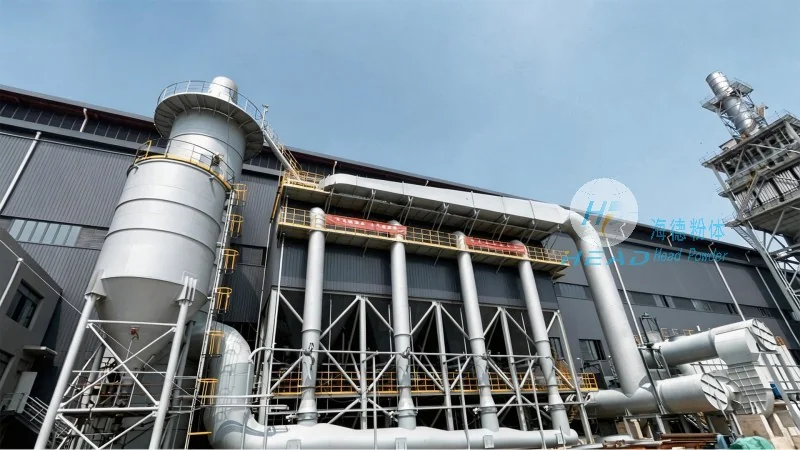
Pneumatic conveying systems are broadly classified into two main categories based on the operating pressure: pressure systems and vacuum systems. Pressure systems operate by forcing air and material through the system using a positive pressure source, such as a blower or compressor. These systems are ideal for short to medium transport distances and can handle a wide range of material sizes and densities. Vacuum systems, conversely, use a vacuum pump to draw material into the system, creating a negative pressure environment. This type of system is particularly effective for long-distance transport and for handling materials that are difficult to move under positive pressure. Within these primary classifications, further distinctions exist based on the flow characteristics, including dilute phase and dense phase systems. Dilute phase systems operate at high velocities, with material suspended in the air stream, making them suitable for fine powders and granular materials. Dense phase systems, on the other hand, move material in a slurry-like state at lower velocities, which is advantageous for handling cohesive or abrasive materials. The choice of system classification depends on several factors, including the material's particle size distribution, moisture content, flowability, and the required transport distance. For instance, pressure systems are often preferred for short-distance transport of non-abrasive materials, while vacuum systems may be more suitable for long-distance transport of bulk materials. The classification also impacts system energy consumption, with dilute phase systems generally requiring more energy than dense phase systems due to higher air velocities.
Synthetic fiber pneumatic conveying finds extensive applications across various industries due to its adaptability and efficiency. In the pharmaceutical industry, it is used for the transport of fine powders and granules, ensuring contamination-free handling and maintaining product quality. The enclosed system design prevents cross-contamination and protects sensitive pharmaceuticals from moisture and air exposure, which is critical for compliance with regulatory standards. The food and beverage sector utilizes this technology for processing ingredients like flour, sugar, and spices, where hygiene and product integrity are paramount. The system's ability to handle hygienic materials without compromising cleanliness makes it a preferred choice in food processing facilities. The chemical industry benefits from synthetic fiber pneumatic conveying for handling reactive or hazardous materials, as the enclosed system prevents exposure and ensures safe transport. This is particularly important for materials that may release toxic fumes or pose health risks during handling. In the mining and mineral processing sector, it is employed to move bulk materials such as ores and concentrates, improving operational efficiency and reducing labor costs. The system's ability to handle abrasive materials without significant wear and tear makes it suitable for heavy-duty mining operations. Additionally, the agricultural industry uses this system for transporting seeds, fertilizers, and other agricultural products, facilitating large-scale farming operations. The adaptability of synthetic fiber pneumatic conveying systems makes them suitable for a wide range of applications, from small-scale operations to large industrial plants, providing a reliable solution for material handling challenges.
One of the primary advantages of synthetic fiber pneumatic conveying is its ability to handle a diverse range of materials with minimal maintenance. The synthetic fibers used in the conveying line are resistant to abrasion, corrosion, and wear, extending the system's lifespan and reducing downtime. This technology also offers high material throughput, allowing for efficient transport of large quantities of materials over short to medium distances. The enclosed system design minimizes material loss and contamination, which is critical in industries where product purity is essential. Furthermore, synthetic fiber pneumatic conveying systems are energy-efficient compared to traditional methods like belt conveyors or bucket elevators, as they use air as the primary transport medium, reducing energy consumption and operational costs. The flexibility of the system allows for easy integration into existing production lines, and the modular design enables scalability, allowing businesses to expand their operations without significant capital investment. Another advantage is the reduced risk of material degradation, as the enclosed system protects materials from environmental factors such as humidity and temperature fluctuations. This is particularly beneficial for materials that are sensitive to moisture or air exposure, ensuring that the material's quality is maintained throughout the transport process. The system's ability to handle both dry and slightly wet materials without clogging or performance degradation also adds to its versatility.
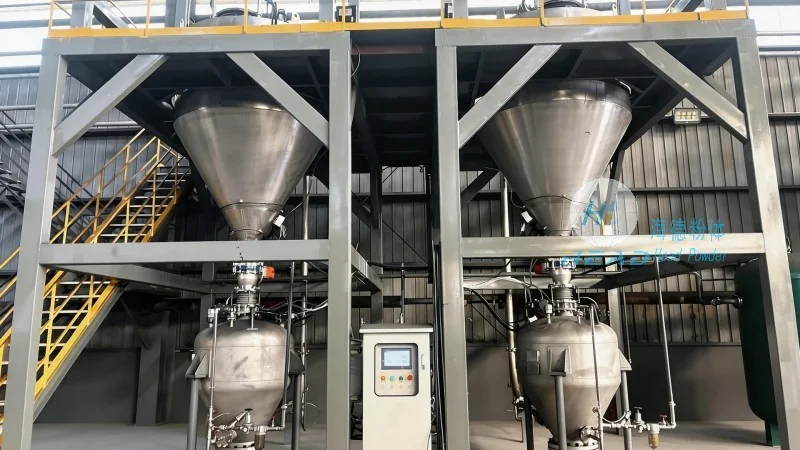
Despite its benefits, synthetic fiber pneumatic conveying systems may face certain challenges that need to be addressed for optimal performance. One of the main considerations is the selection of the appropriate synthetic fiber material, as different fibers have varying properties that affect system efficiency and durability. For instance, some fibers may be more resistant to abrasion but less flexible, while others may offer better flexibility but lower resistance to wear. The system design must also account for the material's properties, such as particle size distribution, moisture content, and flowability, as these factors influence the system's performance and the choice of conveying phase (dilute or dense). Additionally, the maintenance of the system, particularly the cleaning and replacement of synthetic fibers, is essential to prevent clogging and ensure consistent performance. Regular inspections and maintenance schedules are necessary to identify and address any issues before they lead to system failure. Environmental regulations also play a role, as the system must comply with air quality standards, requiring the use of filters and dust collectors to minimize emissions. The cost of the system, including the initial investment and ongoing maintenance, is another factor to consider, as it may be higher than traditional conveying methods for some applications. However, the long-term benefits, such as reduced material loss and increased efficiency, often outweigh the initial costs, making synthetic fiber pneumatic conveying a cost-effective solution for many industries. Another challenge is the system's sensitivity to air pressure fluctuations, which can affect material flow and system performance. Proper control of air pressure and flow rates is necessary to maintain consistent material transport. Additionally, the system's capacity may be limited by the air compressor's power and the conveying line's diameter, which may require adjustments for high-volume applications.
Synthetic fiber pneumatic conveying is a sophisticated and efficient technology that plays a vital role in modern material handling. By understanding the classification and applications of pneumatic conveying systems, industries can select the most suitable solution for their specific needs. The use of synthetic fibers in the conveying line enhances the system's performance, durability, and adaptability, making it a preferred choice for handling a wide range of materials. As industries continue to evolve and demand higher efficiency and product quality, synthetic fiber pneumatic conveying will remain a key technology in material transport. The ongoing advancements in system design and material technology will further improve the performance and reliability of these systems, ensuring their continued relevance in various industrial applications. For businesses seeking to optimize their material handling processes, synthetic fiber pneumatic conveying offers a reliable and efficient solution that meets the demands of modern industry. The combination of efficiency, flexibility, and durability makes synthetic fiber pneumatic conveying an indispensable technology for industries that rely on consistent and high-quality material transport. With its ability to handle diverse materials and adapt to changing operational needs, this technology will continue to be a cornerstone of material handling solutions for years to come.

 Shandong Headpowder Engineering Co., Ltd.
 156-6277-7102(Manager Zhang)
  0531-83386006
  Zhangqiu District, Jinan City, Shandong Province, China
telephone
WeChatconsult
top