Classification and Composition of Metal Silicon Pneumatic Conveying Systems
Release time:2026-09-14 10:38:53
name of the company:Shandong Headpowder Engineering Co., Ltd.
telephone:156-6277-7102
contacts:Manager Zhang
HeadPowder, a leading enterprise in the field of material handling technology, specializes in the design, manufacturing, and installation of advanced pneumatic conveying systems for metal silicon. This article provides an in-depth overview of the classification and essential components of such systems, highlighting the technical aspects and practical applications that define their functionality and efficiency.
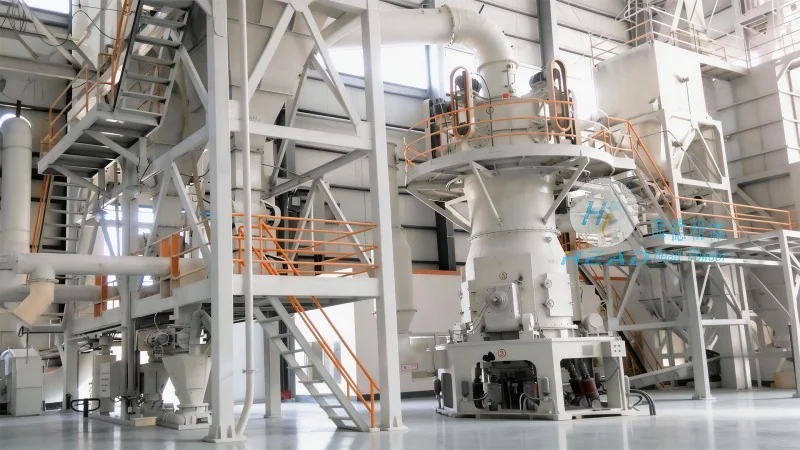
Classification of Metal Silicon Pneumatic Conveying Systems
Based in Shandong, China, HeadPowder Engineering Co., Ltd. offers a range of pneumatic conveying solutions tailored to the unique characteristics of metal silicon. The classification of these systems primarily depends on the conveying principle and the pressure used during operation. The main categories include:
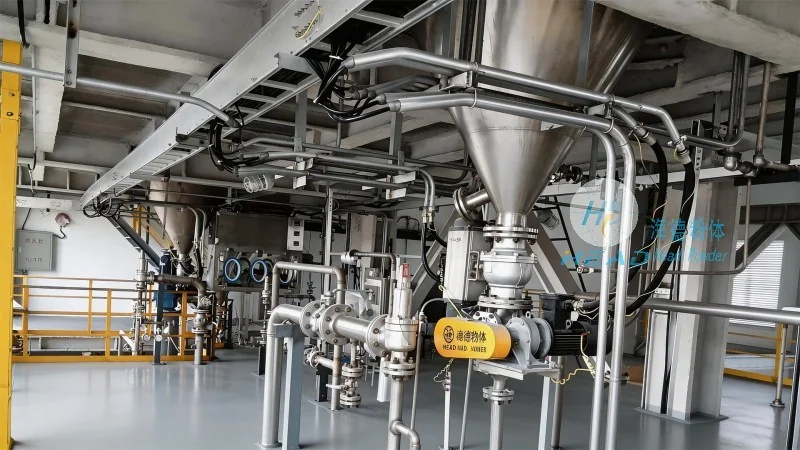
- Positive Pressure Systems: These systems use a blower or compressor to generate positive pressure, pushing the material through a pipeline. They are suitable for long-distance and high-volume conveying of metal silicon, ensuring consistent flow and minimal material degradation.
- Negative Pressure (Vacuum) Systems: Operating under negative pressure, these systems draw material into the pipeline using a vacuum pump. Ideal for applications requiring gentle handling of sensitive metal silicon, such as in pharmaceutical or food processing industries, they maintain product integrity while preventing dust emissions.
- Combined Pressure Systems: A hybrid approach that combines both positive and negative pressure elements. This configuration allows for flexible operation, adapting to varying conveying distances and material properties, making it versatile for diverse industrial needs.
Key Components of Metal Silicon Pneumatic Conveying Systems
The effectiveness of a metal silicon pneumatic conveying system relies on several critical components, each designed to optimize performance and ensure reliable operation. The primary components include:
- Feeder and Hopper: The feeder and hopper are the initial points of material intake. The hopper stores metal silicon, while the feeder regulates the flow rate, ensuring a consistent supply to the conveying line. This component is crucial for maintaining system stability and preventing material buildup or blockages.
- Pneumatic Conveying Unit (Blower/Compressor): The heart of the system, the blower or compressor generates the necessary pressure or vacuum to move metal silicon through the pipeline. HeadPowder utilizes high-efficiency, low-noise equipment that is specifically engineered for handling abrasive materials like metal silicon, minimizing wear and extending equipment lifespan.
- Pipeline and Fittings: The pipeline network, made from durable materials such as stainless steel or aluminum, transports metal silicon from the feeder to the destination. Fittings, including elbows, tees, and valves, are strategically placed to control flow direction and pressure, ensuring smooth material movement and preventing system backflow.
- Receiver and Discharge Equipment: At the end of the conveying line, the receiver collects the metal silicon, while discharge equipment, such as rotary valves or screw conveyors, regulates the material's release. This component ensures precise control over the discharge process, preventing spillage and maintaining product quality.
- Control System and Monitoring Devices: Modern pneumatic conveying systems are equipped with advanced control systems that monitor pressure, flow rate, and temperature in real-time. These systems allow for automated operation and immediate response to any deviations, enhancing system reliability and reducing downtime.
Application and Advantages of Metal Silicon Pneumatic Conveying Systems
HeadPowder's metal silicon pneumatic conveying systems are widely used in various industrial sectors, including chemical, metallurgy, and food processing. The primary advantages of these systems include:
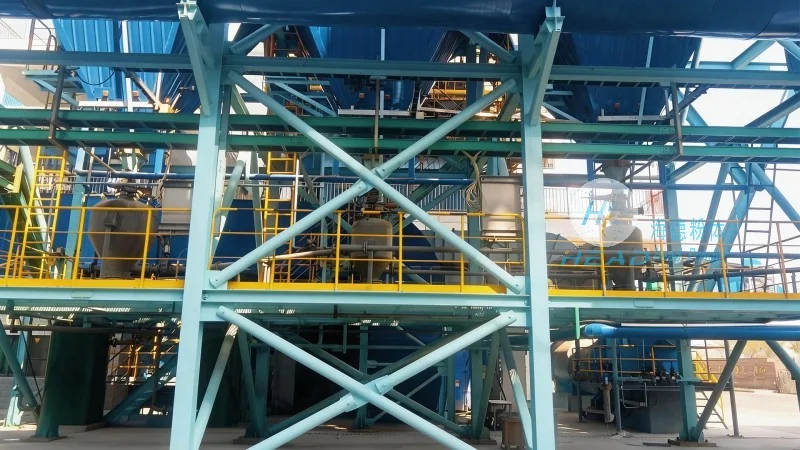
- Efficient Material Handling: By eliminating the need for manual handling or traditional bulk transport methods, pneumatic conveying systems significantly improve operational efficiency and reduce labor costs.
- Reduced Material Loss and Contamination: The enclosed pipeline design minimizes dust emissions and prevents cross-contamination, ensuring that metal silicon remains in pristine condition throughout the conveying process.
- Space-Saving and Flexible Layout: Unlike traditional conveyor belts, pneumatic systems can be installed in tight spaces and adapted to complex layouts, making them ideal for facilities with limited floor space.
- Energy Efficiency: Advanced blower and compressor technologies used by HeadPowder reduce energy consumption, contributing to lower operational costs and a smaller environmental footprint.
Conclusion
HeadPowder Engineering Co., Ltd., with its headquarters in Shandong, China, continues to lead the industry in providing innovative and reliable metal silicon pneumatic conveying systems. By understanding the classification and essential components of these systems, industrial users can make informed decisions to enhance their material handling processes, improve productivity, and maintain product quality. The company's commitment to quality, efficiency, and customer satisfaction ensures that its solutions meet the evolving needs of modern industrial applications.

 Shandong Headpowder Engineering Co., Ltd.
 156-6277-7102(Manager Zhang)
  0531-83386006
  Zhangqiu District, Jinan City, Shandong Province, China