With more than 10‑year industry experience, Shandong Headpowder delivers full‑service pneumatic‑conveying systems and blowers, undertaking nationwide turn‑key powder‑handling projects.
Multi-point feeding powder pneumatic conveying systems represent a sophisticated solution in the field of material handling, designed to efficiently transport bulk powders from multiple feeding points to a central collection or processing unit. This technology is particularly valuable in industries where precise control over powder flow, dust containment, and system reliability is critical. The following sections will explore the fundamental principles behind these systems and highlight key working scene characteristics that make them indispensable in modern industrial applications.
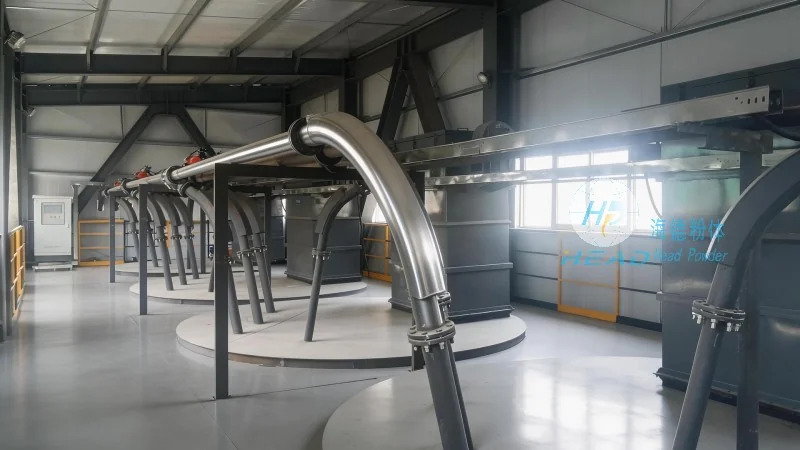
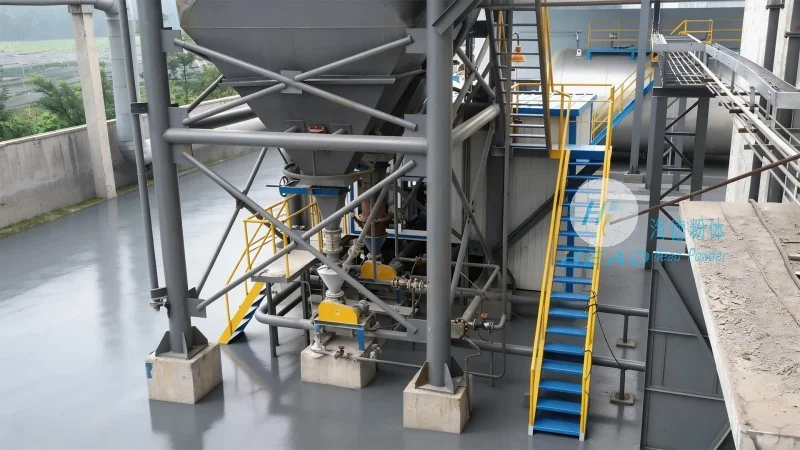
The operation of a multi-point feeding powder pneumatic conveying system is based on the principles of pneumatic transport, where powders are conveyed through a pipeline using a gas stream, typically air or a mixture of air and other gases. In a multi-point feeding configuration, the system is equipped with multiple inlet points, allowing powders to be introduced from various locations simultaneously or sequentially. This design enables the system to handle diverse material sources and accommodate varying production rates without compromising performance. The core components of such a system include a blower or compressor to generate the necessary air pressure, a series of pipelines connecting the feeding points to a central receiver, and control valves to regulate the flow of both air and material. The system operates by creating a pressure differential between the feeding points and the receiver, which draws the powder particles into the air stream and transports them through the pipeline. Key principles include maintaining consistent air velocity to prevent particle segregation or clogging, ensuring adequate air-to-material ratio for efficient transport, and implementing proper filtration and dust collection to meet environmental and safety standards. The design of the feeding mechanisms, such as rotary valves or screw feeders, is critical to ensure smooth material discharge from each inlet point without causing blockages or uneven flow. By integrating multiple feeding points, the system can handle complex material handling scenarios where powders are sourced from different locations within a facility, such as raw material storage areas, production lines, or intermediate processing stages. This flexibility enhances operational efficiency and reduces downtime by allowing continuous material flow even if one feeding point is temporarily unavailable.
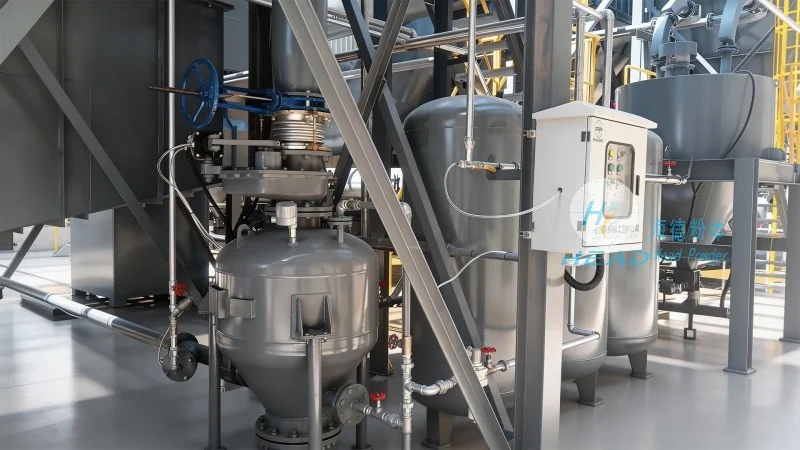
Multi-point feeding powder pneumatic conveying systems are widely used in various industrial sectors due to their adaptability to diverse working environments and material types. The working scene characteristics of these systems are tailored to meet the specific demands of different applications, ensuring optimal performance and reliability. One of the primary characteristics is the ability to handle a wide range of powder properties, including fine powders, granules, and even cohesive materials, with minimal degradation or loss of quality. The system's design allows for adjustable air pressure and flow rates, enabling operators to customize the conveying parameters to suit the characteristics of the material being transported. This flexibility is particularly beneficial in industries like pharmaceuticals, food processing, and chemical manufacturing, where product purity and consistency are paramount. Another important characteristic is the system's capacity to handle multiple feeding points simultaneously, which is essential in large-scale production facilities where materials are sourced from various locations and need to be consolidated into a single stream for further processing. For example, in a cement or mineral processing plant, multiple raw material silos may feed into a single pneumatic conveying system, transporting the materials to a central grinding or mixing unit. The system's ability to manage multiple inlets ensures that the overall production process remains uninterrupted, even when different raw materials are being processed at different rates. Additionally, the working scene characteristics include robust dust containment and filtration systems, which are critical for maintaining a clean and safe working environment. The pipelines and components are typically designed with materials that resist corrosion and wear, ensuring long-term durability and minimal maintenance. The control systems in these systems are often equipped with sensors and automation features that monitor pressure, flow, and material levels, providing real-time feedback and enabling proactive maintenance. This helps to prevent system failures and reduce downtime, which is crucial for maintaining high production efficiency. The working scene characteristics also highlight the system's scalability, allowing it to be expanded or modified to accommodate increasing production demands or changes in material handling requirements. This adaptability makes multi-point feeding powder pneumatic conveying systems a long-term investment for industrial facilities, as they can grow with the company's needs without requiring a complete overhaul of the material handling infrastructure.
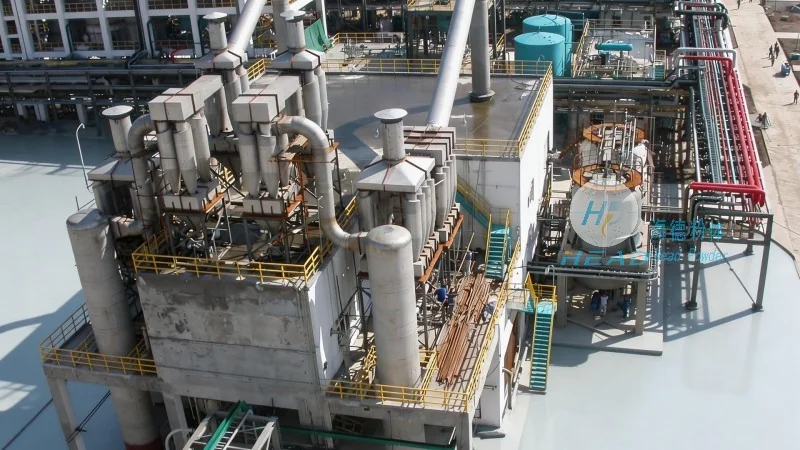
Implementing a multi-point feeding powder pneumatic conveying system offers several advantages that make it a preferred choice for many industries. The primary advantage is the significant reduction in material handling costs compared to traditional methods like belt conveyors or manual loading. Pneumatic systems eliminate the need for physical contact with the material, reducing wear and tear on equipment and minimizing the risk of product contamination. Additionally, the system's ability to transport powders over long distances with minimal energy consumption makes it an energy-efficient solution. The working scene characteristics also include improved safety features, such as enclosed pipelines and automated control systems, which reduce the risk of dust explosions and other hazards commonly associated with bulk material handling. However, there are practical considerations that must be taken into account when deploying such a system. The initial investment cost can be higher than traditional conveyors, although the long-term operational savings often offset this expense. Proper system design and maintenance are critical to ensure optimal performance and prevent issues like clogging or air leaks. The system's performance is highly dependent on the characteristics of the material being transported, and factors such as particle size, density, and moisture content must be carefully considered during the design phase. Additionally, the system requires regular maintenance, including cleaning of filters and pipelines, to maintain efficiency and prevent downtime. The working scene characteristics also highlight the importance of proper training for operators and maintenance personnel to ensure the system is operated and maintained correctly. In summary, multi-point feeding powder pneumatic conveying systems provide a reliable and efficient solution for bulk material handling, with advantages that outweigh the initial investment and maintenance requirements. The system's adaptability to various working environments and material types makes it a versatile choice for modern industrial applications, contributing to improved productivity and operational efficiency.

 Shandong Headpowder Engineering Co., Ltd.
 156-6277-7102(Manager Zhang)
  0531-83386006
  Zhangqiu District, Jinan City, Shandong Province, China
telephone
WeChatconsult
top