With more than 10‑year industry experience, Shandong Headpowder delivers full‑service pneumatic‑conveying systems and blowers, undertaking nationwide turn‑key powder‑handling projects.
Hydroxide cobalt powder, a key material in the battery and chemical sectors, demands efficient and reliable handling solutions to sustain smooth production workflows. The pneumatic conveying line, specifically engineered for hydroxide cobalt powder, integrates advanced engineering with practical application. This article explores the fundamental principles of such a system and highlights the key characteristics of its operational environments, offering insights into how it enhances operational efficiency and safety in industrial settings.
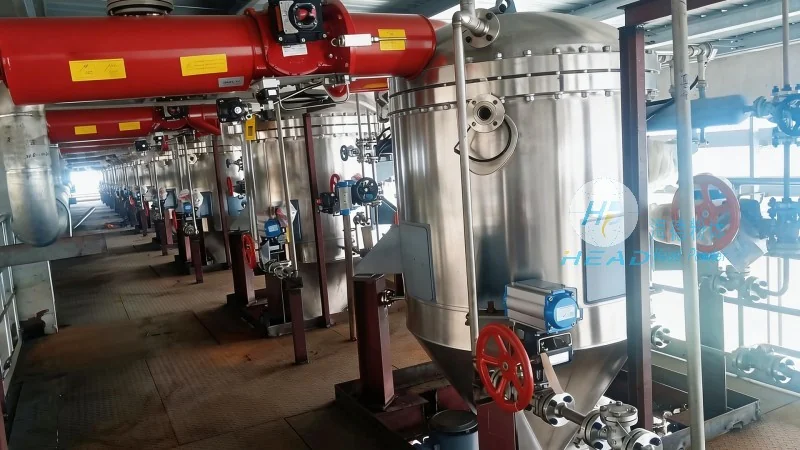
The core of a hydroxide cobalt powder pneumatic conveying line rests on utilizing air as the conveying medium. This method transports powder materials through a pipeline by establishing a pressure differential. The system typically operates under either positive pressure or negative pressure, contingent on the specific application requirements. In positive pressure systems, compressed air is introduced into the conveying line, propelling the powder forward. Conversely, negative pressure systems employ suction to draw the powder from the source to the destination. For hydroxide cobalt powder, which is often fine and susceptible to dust generation, the selection of pressure type and system design is critical to preserve material integrity and prevent clogging or degradation.
Key components of the pneumatic conveying system include the material feed hopper, the air compressor or vacuum pump, the conveying pipeline, and the discharge device. The feed hopper ensures a consistent flow of powder into the system, while the air compressor or vacuum pump generates the necessary pressure or suction. The pipeline, typically made of corrosion- and abrasion-resistant materials like stainless steel or specialized polymers, is designed to accommodate the specific properties of hydroxide cobalt powder. The discharge device, which may incorporate cyclones, filters, or rotary valves, separates the powder from the air and directs it to the final destination. The entire system is controlled by a programmable logic controller (PLC) or other automation equipment, allowing for precise regulation of flow rates, pressure, and other parameters to optimize performance.
The operational environments where hydroxide cobalt powder pneumatic conveying lines are applied vary widely, reflecting the diverse needs of industrial processes. These systems are commonly found in battery manufacturing facilities, where hydroxide cobalt serves as a cathode material. In such settings, the line efficiently transports the powder from storage silos to mixing and coating equipment, ensuring a continuous and controlled supply of material. The high precision and low contamination levels of the system are particularly vital in battery production, as any impurities or moisture can significantly impact the quality of the final product.
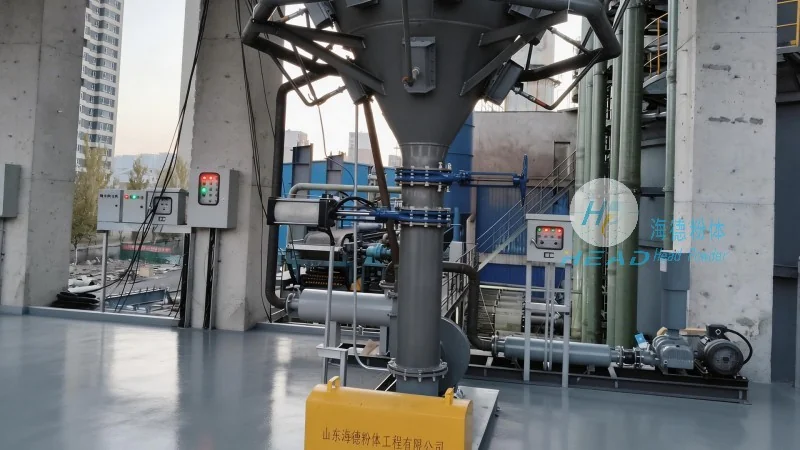
In chemical processing plants, the pneumatic conveying line is utilized to move hydroxide cobalt powder between different processing stages, such as drying, grinding, and chemical treatment. The system's ability to handle fine powders without segregation or agglomeration is essential for maintaining product consistency. Additionally, the line's compact design and minimal space requirements make it suitable for installations in existing facilities, allowing for retrofitting without major structural modifications.
Another key application is in research and development laboratories, where small-scale pneumatic conveying systems are employed for testing and pilot production. These systems provide a controlled environment for evaluating the performance of hydroxide cobalt powder under various conditions, helping to optimize production parameters before scaling up to full industrial production. The flexibility of the system, which can be adjusted to handle different powder types and flow rates, makes it a versatile tool for R&D applications.
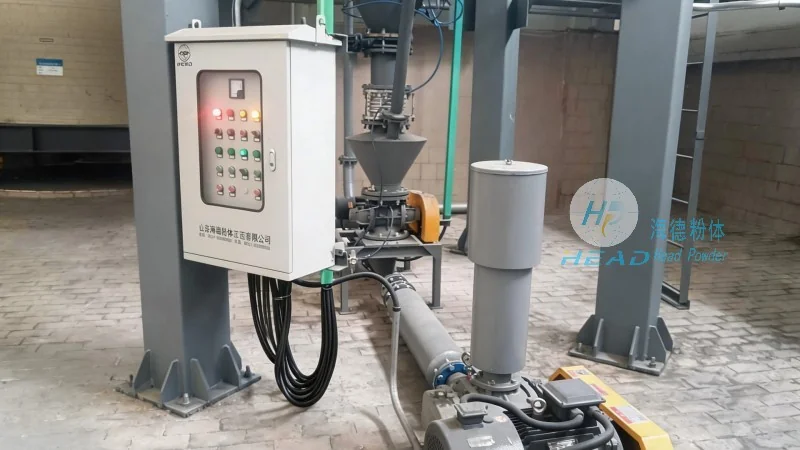
Implementing a hydroxide cobalt powder pneumatic conveying line offers several operational advantages. Firstly, it eliminates the need for mechanical conveyors, such as screw or belt conveyors, which can cause contamination or damage to the fine powder. The air-based system prevents material from coming into direct contact with metal or other surfaces, reducing the risk of contamination and ensuring product purity. Secondly, the system provides a dust-free environment, which is critical for maintaining safety standards in industrial facilities, especially where hydroxide cobalt powder is handled in large quantities.
Thirdly, the pneumatic conveying line offers high efficiency in material transport. By using compressed air, the system can move large volumes of powder over long distances with minimal energy consumption compared to other methods. The ability to control flow rates precisely allows for better inventory management and reduces waste. However, there are also considerations to keep in mind. For instance, the system requires regular maintenance to ensure the air compressor or vacuum pump operates efficiently and to prevent dust accumulation in the pipeline. Additionally, the initial investment cost for a pneumatic conveying system can be higher than for traditional mechanical conveyors, although the long-term benefits in terms of reduced maintenance and improved product quality often outweigh the initial expense.
Hydroxide cobalt powder pneumatic conveying lines are a vital component in modern industrial operations, providing an efficient, safe, and reliable method for handling this critical material. By understanding the underlying principles and operational characteristics, industries can optimize their processes and improve overall productivity. The systems, developed by companies like Shandong HeadPowder Engineering Co., Ltd., leverage advanced engineering to meet the specific demands of hydroxide cobalt powder, ensuring that material integrity is maintained throughout the conveying process. As the demand for hydroxide cobalt in battery and chemical applications continues to grow, the importance of such systems will only increase, making them an essential investment for any facility dealing with this material.

 Shandong Headpowder Engineering Co., Ltd.
 156-6277-7102(Manager Zhang)
  0531-83386006
  Zhangqiu District, Jinan City, Shandong Province, China
telephone
WeChatconsult
top