Classification and Composition of Organic Fertilizer Pneumatic Conveying Systems
Release time:2026-09-14 10:38:53
name of the company:Shandong Headpowder Engineering Co., Ltd.
telephone:156-6277-7102
contacts:Manager Zhang
Organic fertilizer pneumatic conveying systems are essential for efficient and reliable transportation of organic materials in agricultural and industrial applications. These systems utilize air pressure to move bulk organic fertilizers, such as compost, manure, and other organic matter, from storage to processing or application points. The design and components of these systems are tailored to handle the specific characteristics of organic materials, ensuring minimal degradation and optimal performance.
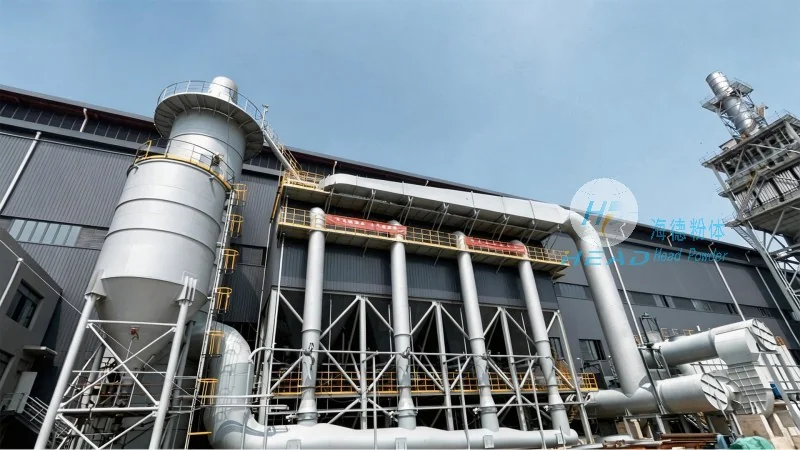
Classification of Organic Fertilizer Pneumatic Conveying Systems
Organic fertilizer pneumatic conveying systems can be classified based on several key factors, including the type of conveying principle, material handling capacity, and operational environment. The primary classifications include:
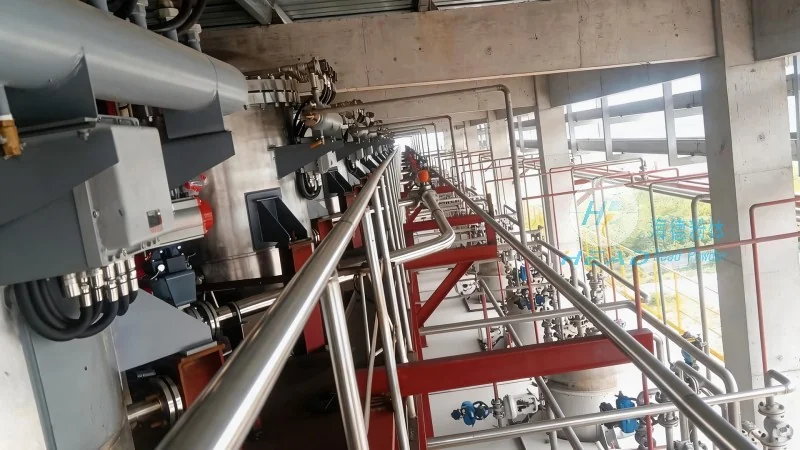
- Positive Pressure Systems: These systems generate air flow by blowing air into the conveying line, pushing the material forward. They are suitable for long-distance and high-capacity applications, as they can maintain consistent air pressure throughout the system.
- Negative Pressure (Vacuum) Systems: In these systems, air is drawn out of the conveying line, creating a vacuum that pulls the material into the system. They are ideal for short-distance and low-capacity applications, particularly in environments where dust control is critical.
- Combined Systems: A hybrid approach that uses both positive and negative pressure components. This design offers flexibility, allowing for the handling of both long and short distances with varying material loads.
Key Components of Organic Fertilizer Pneumatic Conveying Systems
The effective operation of an organic fertilizer pneumatic conveying system relies on several critical components, each playing a vital role in the overall process. The main components include:
- Feeder: The feeder is responsible for uniformly feeding the organic material into the conveying line. It ensures a consistent flow rate, preventing blockages and maintaining system efficiency. For organic fertilizers, which can be variable in texture and moisture content, a robust feeder design is crucial to handle different material characteristics.
- Conveying Line: The conveying line, typically made of durable materials like stainless steel or high-density polyethylene, transports the material and air mixture. The choice of material depends on the corrosive properties of the organic fertilizer and the required system lifespan. Proper line sizing and support are essential to minimize pressure losses and ensure smooth material movement.
- Air Supply Unit: This component generates the necessary air pressure or vacuum for the system. It includes a blower or vacuum pump, along with associated controls and safety features. The air supply unit must be capable of delivering the required airflow and pressure to maintain the system's performance, especially when handling high-density organic materials.
- Separation and Cleaning Equipment: As organic materials are conveyed, they may carry fine particles or dust. Separation equipment, such as cyclones or filters, removes these particles from the air stream, preventing contamination and ensuring compliance with environmental regulations. Cleaning mechanisms, like reverse air flow or self-cleaning filters, maintain the efficiency of these components over time.
- Control System: The control system monitors and regulates the operation of all components, ensuring optimal performance and safety. It includes sensors for pressure, flow, and material level, as well as automated controls for feeder speed, air supply, and system shutdown in case of faults. This integration enhances the reliability and efficiency of the conveying process.
Application and Benefits of Organic Fertilizer Pneumatic Conveying Systems
Organic fertilizer pneumatic conveying systems are widely used in various applications, including:
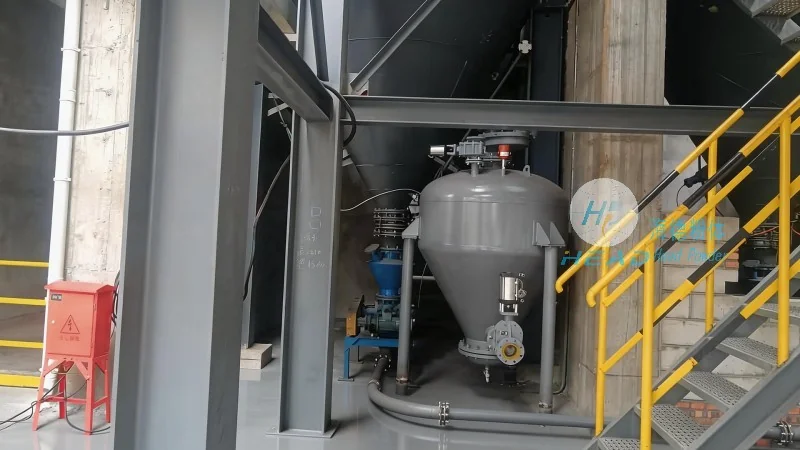
- Compost Processing: In compost facilities, these systems efficiently transport raw organic waste to composting reactors and finished compost to storage or distribution points. The ability to handle large volumes of material with minimal labor makes them ideal for compost production.
- Manure Handling: In livestock operations, pneumatic conveyors move manure from barns to storage or processing areas. This reduces the need for manual handling, improves hygiene, and allows for better management of waste nutrients.
- Organic Fertilizer Distribution: For agricultural and horticultural applications, these systems deliver organic fertilizers to fields or greenhouses. The precise control over material flow ensures uniform application, enhancing crop yields and soil health.
The benefits of using organic fertilizer pneumatic conveying systems include improved efficiency, reduced labor costs, enhanced material handling safety, and better environmental control. By minimizing material degradation and dust emissions, these systems contribute to sustainable agricultural practices and compliance with environmental regulations.

 Shandong Headpowder Engineering Co., Ltd.
 156-6277-7102(Manager Zhang)
  0531-83386006
  Zhangqiu District, Jinan City, Shandong Province, China