

Classification and Composition of Plastic Pellet Pneumatic Conveying Systems
Plastic pellet pneumatic conveying systems are essential in industrial processes for efficiently transporting plastic materials from one location to another. These systems utilize air pressure or vacuum to move plastic pellets, offering advantages such as reduced contamination, improved safety, and enhanced operational flexibility compared to traditional mechanical conveyors. Understanding the classification and composition of these systems is crucial for selecting the right equipment for specific industrial applications.
Classification of Plastic Pellet Pneumatic Conveying Systems
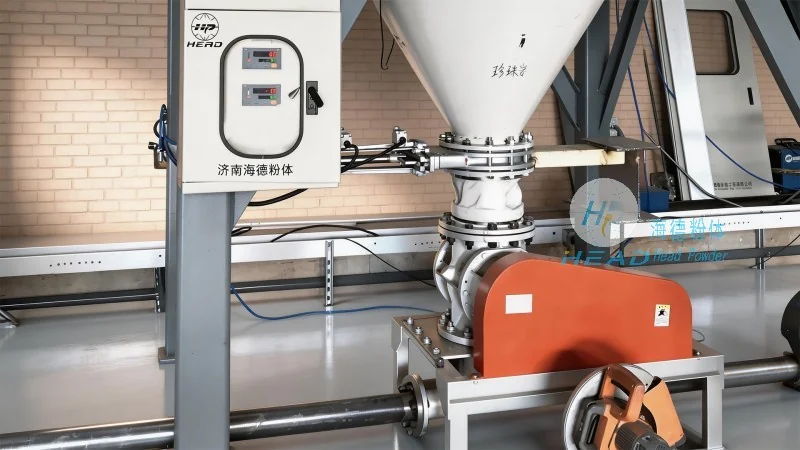
Plastic pellet pneumatic conveying systems can be classified based on several key factors, including the conveying principle, system design, and application requirements. The primary classifications include pressure systems, vacuum systems, and mixed systems. Pressure systems operate by forcing air or gas under pressure through the conveying line, typically using positive displacement blowers or rotary lobe pumps. Vacuum systems, on the other hand, create a negative pressure to draw material into the system, often employing vacuum pumps or fan systems. Mixed systems combine elements of both pressure and vacuum, offering versatility for various material handling tasks. Additionally, systems may be categorized by the type of plastic pellets being conveyed, such as polyethylene, polypropylene, or other thermoplastics, each requiring specific design considerations to ensure optimal performance.
Key Components of Plastic Pellet Pneumatic Conveying Systems
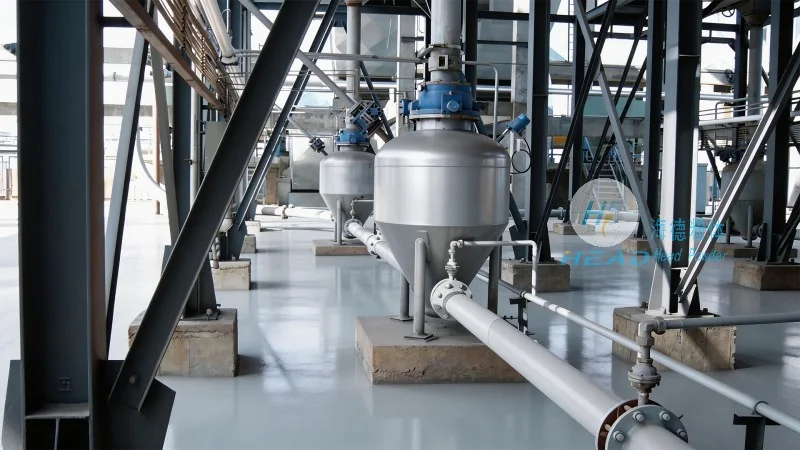
The composition of a plastic pellet pneumatic conveying system involves several critical components that work together to ensure efficient material transport. The main components include the material feeder, which feeds plastic pellets into the conveying line, often using screw feeders or rotary valves to maintain a consistent flow rate. The conveying line itself, typically made of stainless steel or other corrosion-resistant materials, is designed to withstand the abrasive nature of plastic pellets and maintain air tightness. Air movers, such as blowers or vacuum pumps, provide the necessary pressure or vacuum to move the material through the system. The system may also include filters and cyclones to separate plastic pellets from air, preventing contamination and ensuring clean material delivery. Additionally, control systems, including sensors and valves, monitor and regulate the conveying process to maintain optimal performance and prevent system failures.
Application of Plastic Pellet Pneumatic Conveying Systems
Plastic pellet pneumatic conveying systems are widely used in various industrial sectors, including plastics manufacturing, packaging, and chemical processing. In plastics manufacturing, these systems are used to transport raw plastic pellets from storage silos to processing equipment, ensuring a continuous and clean supply of material. In packaging applications, they facilitate the transfer of plastic pellets to molding machines or extruders, improving production efficiency and reducing downtime. The systems are also employed in chemical processing plants to handle plastic additives or other auxiliary materials, ensuring precise and controlled material delivery. The versatility of pneumatic conveying systems makes them suitable for a wide range of applications, from small-scale operations to large industrial facilities.
Advantages of Plastic Pellet Pneumatic Conveying Systems
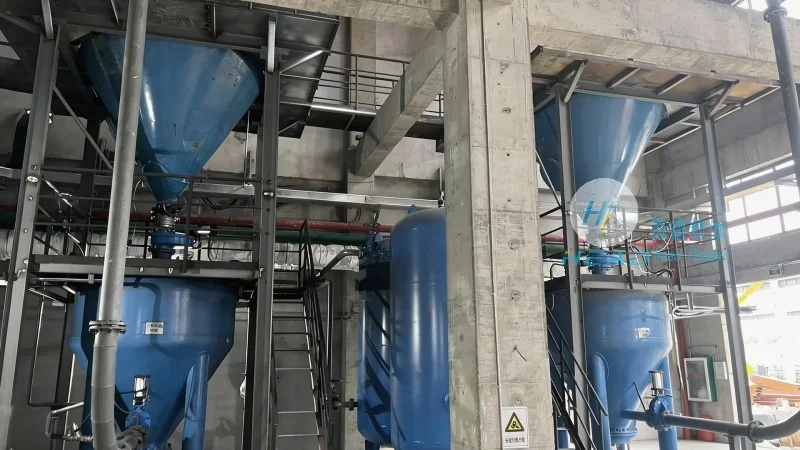
Compared to traditional mechanical conveyors, plastic pellet pneumatic conveying systems offer several advantages that make them a preferred choice for many industries. One of the key benefits is the reduced risk of material contamination, as the system is enclosed and air-tight, preventing exposure to dust, moisture, or other contaminants. This is particularly important for food-grade or medical-grade plastic pellets, where purity is critical. Another advantage is improved safety, as the system eliminates the need for manual handling of plastic pellets, reducing the risk of accidents and injuries. Additionally, pneumatic conveying systems offer enhanced operational flexibility, allowing for easy adjustment of flow rates and material direction without the need for extensive modifications to the system. The systems also provide better control over material handling, enabling precise delivery of plastic pellets to specific locations, which is essential for efficient production processes.
About Shandong HeadPowder Engineering Co., Ltd.
Shandong HeadPowder Engineering Co., Ltd., commonly known as HeadPowder, is a leading manufacturer of plastic pellet pneumatic conveying systems. With a focus on innovation and quality, HeadPowder provides comprehensive solutions for material handling in the plastics industry. The company’s products are designed to meet the specific needs of various industrial applications, ensuring reliable and efficient performance. HeadPowder’s team of experts works closely with clients to understand their requirements and develop customized pneumatic conveying systems that optimize material transport and improve overall operational efficiency. The company is committed to providing high-quality equipment and excellent customer service, helping clients achieve their production goals while maintaining safety and compliance with industry standards.