With more than 10‑year industry experience, Shandong Headpowder delivers full‑service pneumatic‑conveying systems and blowers, undertaking nationwide turn‑key powder‑handling projects.
Continuous material loading powder pneumatic conveying systems represent a sophisticated technology in material handling, designed to efficiently transport bulk powders and granular materials over long distances with minimal disruption to the material's properties. This system is engineered to maintain the integrity of the conveyed material, ensuring that it remains free-flowing and unaltered throughout the process. The core of this technology lies in its ability to handle continuous flow, making it ideal for industrial applications where consistent and reliable material transfer is critical. Shandong HeadPowder Engineering Co., Ltd., a leading manufacturer in the field, specializes in the design and production of such systems, providing customized solutions tailored to the specific needs of various industries.
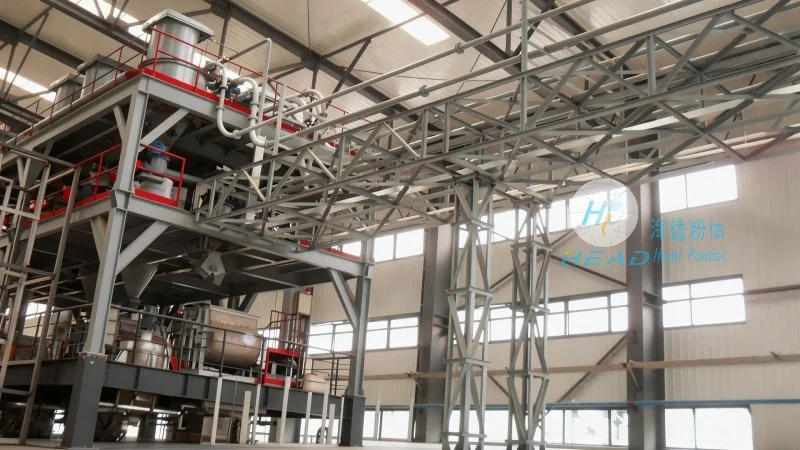
The fundamental principle of a continuous material loading powder pneumatic conveying system is based on the use of air or gas as the conveying medium. The system operates by creating a pressure differential between the material feed point and the discharge point. As air is introduced into the system, it creates a flow that draws the powder from the hopper or storage vessel into the conveying line. The powder is then suspended in the air stream and transported to the destination. This method allows for the seamless transfer of materials without the need for mechanical components like belts or screws, which can cause wear and contamination. The system typically includes components such as a hopper, a rotary valve, a conveying line, a filter, and a receiver. The rotary valve controls the flow of material from the hopper into the conveying line, while the filter ensures that the air leaving the system is clean and free from dust particles. The receiver collects the material at the end of the conveying line.
Several key components are integral to the effective operation of a continuous material loading powder pneumatic conveying system. The hopper serves as the storage vessel, holding the bulk material ready for transfer. It is designed with a sloped bottom to facilitate the flow of material into the rotary valve. The rotary valve, often referred to as a feeder, is a critical component that controls the rate of material discharge from the hopper. It operates by rotating to open and close ports, allowing material to enter the conveying line at a controlled rate. The conveying line, usually made of stainless steel or other corrosion-resistant materials, is where the powder is suspended and transported. The line is designed to handle the pressure and flow requirements of the system. The filter is essential for maintaining air quality and preventing dust from escaping into the environment. It captures any fine particles that may be present in the air stream. The receiver is the final component, where the material is deposited after being conveyed. It is typically equipped with a discharge valve to allow for easy unloading of the material.
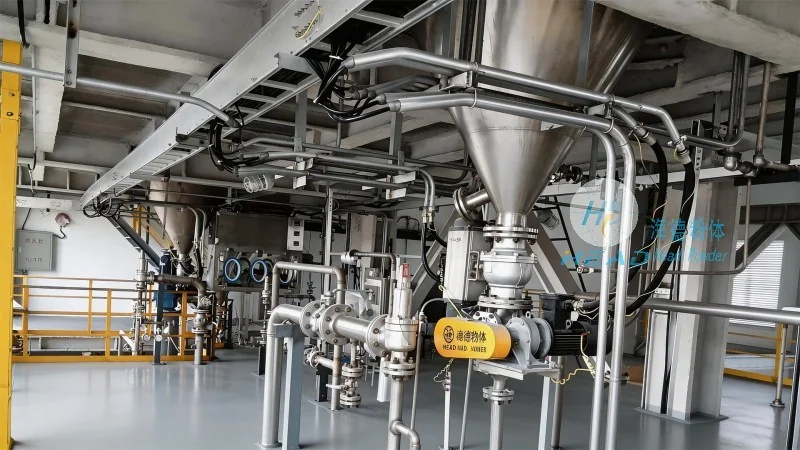
Continuous material loading powder pneumatic conveying systems find extensive application across various industries due to their versatility and efficiency. In the pharmaceutical industry, these systems are used to transport active pharmaceutical ingredients (APIs) and other powders, ensuring that the materials remain sterile and free from contamination. The food and beverage industry utilizes them for handling ingredients like flour, sugar, and spices, maintaining product quality and safety. The chemical industry employs these systems for transporting powders such as chemicals, pigments, and catalysts, where precise control over material flow is essential. In the mining and mineral processing sector, they are used to convey raw materials like ores and minerals from storage to processing equipment. The system's ability to handle abrasive materials and maintain consistent flow makes it suitable for these demanding applications.
There are several advantages to using a continuous material loading powder pneumatic conveying system over traditional methods. One of the primary benefits is the ability to handle long-distance transport without the need for intermediate storage or transfer points. This reduces the overall cost and complexity of material handling operations. The system also offers high material throughput, making it suitable for high-volume production environments. Another advantage is the minimal maintenance required, as there are no mechanical parts that wear out or require frequent replacement. The system is also flexible, allowing for changes in material type or flow rate without significant modifications. Additionally, the enclosed design of the system prevents dust and other contaminants from entering the environment, improving workplace safety and compliance with environmental regulations.
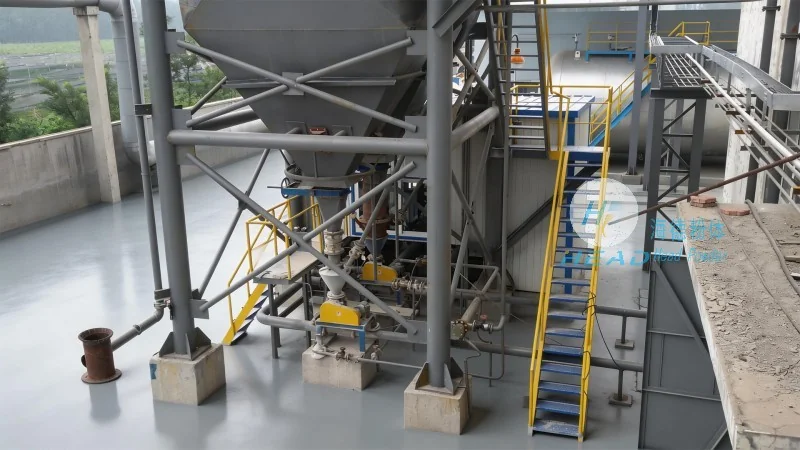
When selecting a continuous material loading powder pneumatic conveying system, several factors must be considered to ensure optimal performance. The first consideration is the type of material being conveyed, as different materials have different flow characteristics and may require specific system designs. The material's density, particle size, and moisture content are all critical factors that affect the system's efficiency. The distance and elevation change between the feed and discharge points also influence the system's design, as these factors determine the required air pressure and flow rate. The system's capacity and throughput must match the production requirements of the facility. Additionally, the system's integration with existing equipment and infrastructure must be considered to ensure smooth operation. Proper installation and maintenance are also essential to maximize the system's lifespan and performance.
Continuous material loading powder pneumatic conveying systems are a reliable and efficient solution for bulk material handling in various industrial applications. By leveraging the principles of pneumatic transport, these systems offer a seamless and contamination-free method of moving powders and granular materials. The key to their success lies in the proper design and implementation of the system, considering the specific material properties and operational requirements. As industries continue to demand higher efficiency and product quality, these systems remain a vital component of modern material handling solutions.

 Shandong Headpowder Engineering Co., Ltd.
 156-6277-7102(Manager Zhang)
  0531-83386006
  Zhangqiu District, Jinan City, Shandong Province, China
telephone
WeChatconsult
top