With more than 10‑year industry experience, Shandong Headpowder delivers full‑service pneumatic‑conveying systems and blowers, undertaking nationwide turn‑key powder‑handling projects.
HeadPowder, a leading engineering firm based in Shandong, China, specializes in the design and implementation of advanced bulk powder pneumatic conveying systems tailored for ship loading and unloading operations. These systems represent a sophisticated solution for efficiently transferring dry bulk materials like grains, chemicals, and minerals between vessels and shore facilities, addressing the critical need for reliable, high-capacity material handling in maritime logistics.
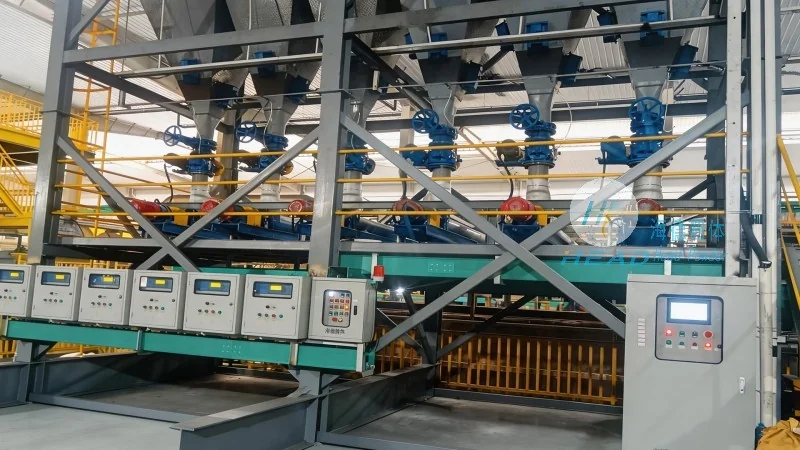
Bulk powder pneumatic conveying systems for ship loading and unloading are engineered to transport dry, particulate materials using a pressurized or vacuum air stream. Unlike traditional mechanical conveyors, these systems offer a flexible and efficient method for moving materials over long distances and varying heights, minimizing the risk of material degradation and contamination. The core components typically include a material hopper, a conveying line, a dust collector, and a discharge system, all integrated to ensure seamless operation from the ship's hold to the storage silo or processing plant.
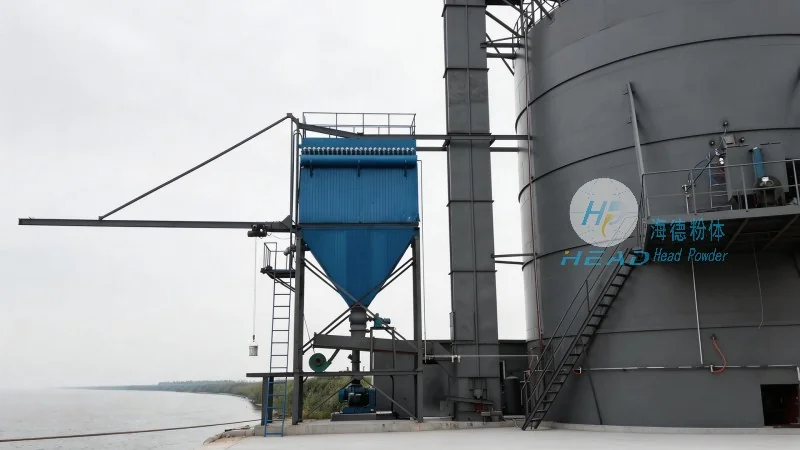
The fundamental principle behind pneumatic conveying is the use of air to create a flow that propels the powder particles. In a positive pressure system, air is forced into the conveying line at a high velocity, carrying the powder particles forward. Conversely, negative pressure systems draw air and material through a vacuum, pulling the powder from the source. The choice between positive and negative pressure depends on factors such as material characteristics, distance, and system layout. For ship loading and unloading, positive pressure systems are often preferred due to their ability to handle high volumes and maintain consistent material flow, even under varying ship conditions. The system operates by first loading the material into a hopper, where it is then fed into a pipeline via an air stream. The air velocity is carefully controlled to ensure the material is entrained and transported without clogging. At the receiving end, a separator separates the material from the air, allowing the material to be discharged into a silo or storage container, while the air is either recirculated or filtered and released.
When applied to ship loading and unloading, these systems exhibit several distinct advantages that enhance operational efficiency and safety. First, they eliminate the need for manual handling of bulk materials, reducing labor costs and minimizing the risk of workplace accidents. Second, the enclosed conveying line prevents dust emissions, ensuring compliance with environmental regulations and maintaining a clean working environment. Third, the systems can be easily integrated with existing port infrastructure, allowing for seamless expansion or modification as port operations evolve. Additionally, their ability to handle a wide range of materials, from fine powders to coarse granules, makes them versatile for various industries, including agriculture, chemicals, and mining. The systems also offer high throughput capabilities, often capable of transporting hundreds of tons of material per hour, which is crucial for meeting the demands of large-scale shipping operations.
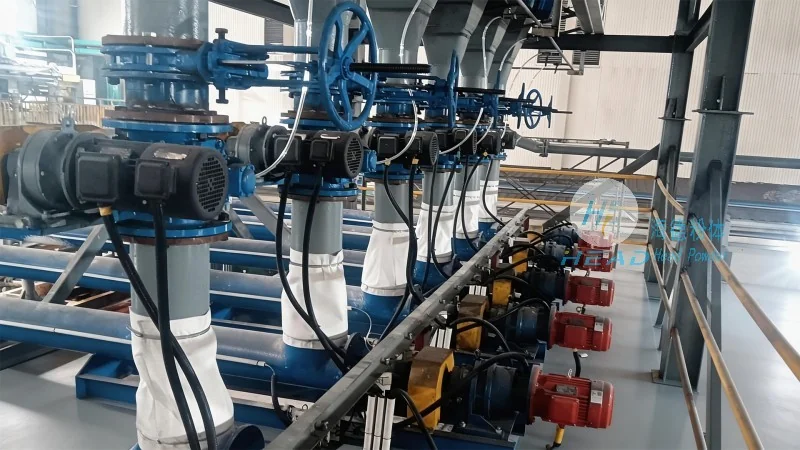
The working scene characteristics of these systems are particularly evident in major port facilities worldwide. For instance, in grain terminals, pneumatic conveying systems efficiently load and unload cargo ships, enabling rapid turnaround times and reducing the time vessels spend at the dock. In chemical ports, the systems ensure the safe transport of hazardous powders, with built-in safety features such as pressure relief valves and explosion-proof designs. Mining ports also benefit from these systems, as they can handle large volumes of ore and mineral concentrates, supporting the continuous operation of mining operations. The adaptability of the systems to different ship sizes and cargo types further enhances their utility, making them a go-to solution for modern maritime material handling. Furthermore, the systems are designed to be robust and durable, with components that can withstand the harsh marine environment, including saltwater corrosion and temperature fluctuations. This durability ensures long-term reliability and reduces maintenance costs over the system's lifespan.

 Shandong Headpowder Engineering Co., Ltd.
 156-6277-7102(Manager Zhang)
  0531-83386006
  Zhangqiu District, Jinan City, Shandong Province, China
telephone
WeChatconsult
top