With more than 10‑year industry experience, Shandong Headpowder delivers full‑service pneumatic‑conveying systems and blowers, undertaking nationwide turn‑key powder‑handling projects.
When it comes to the efficient and safe transport of inorganic salts, selecting the right method is crucial for industrial operations. Inorganic salts, such as sodium chloride, potassium chloride, and various chemical salts, are widely used in industries like food processing, chemical manufacturing, and water treatment. The choice of transport method depends on factors including the type of salt, its physical properties, the distance of transport, and the required delivery speed. This article explores several common methods for inorganic salt transport, highlighting their applications and benefits.
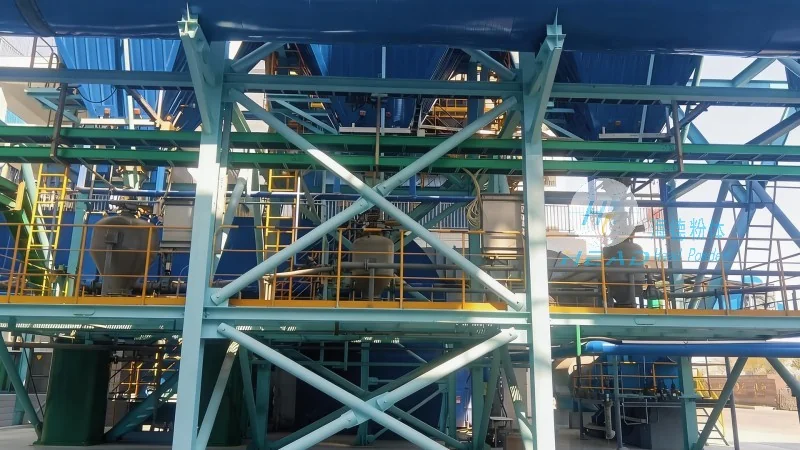
Pipeline transportation is a highly efficient method for moving large volumes of inorganic salts over long distances. This method involves pumping the salt solution or slurry through a network of pipes. For example, in the case of sodium chloride, it can be dissolved in water to form brine, which is then pumped through pipelines to treatment plants or industrial facilities. The advantages of pipeline transport include continuous operation, reduced labor costs, and minimal environmental impact compared to other methods. However, it requires significant infrastructure investment and is typically suitable for bulk, long-distance transport where the salt is in a liquid or semi-liquid form.
Pumping systems are essential for moving inorganic salts, especially when dealing with viscous or high-concentration solutions. Centrifugal pumps, positive displacement pumps, and diaphragm pumps are commonly used in industrial settings. These systems can handle a wide range of salt concentrations and flow rates. For instance, in the chemical industry, pumps are used to transport potassium chloride solutions to reactors or storage tanks. The choice of pump depends on the specific properties of the salt, such as its density, viscosity, and potential for corrosion. Proper maintenance and selection of the right pump type are critical to ensure reliable operation and prevent equipment damage.
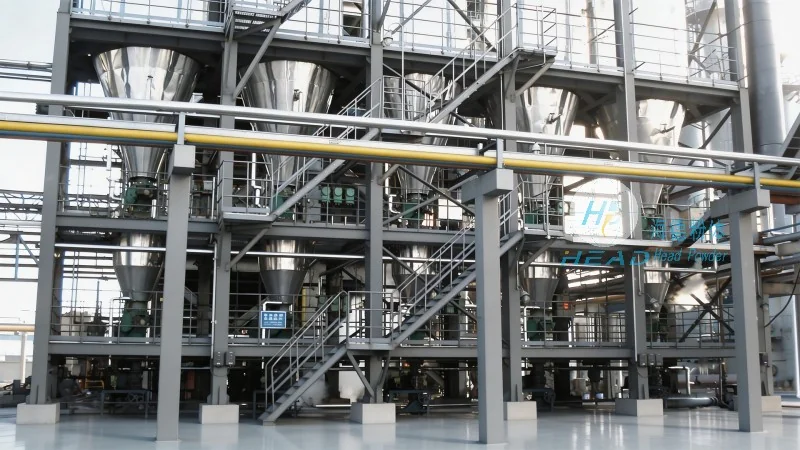
For shorter distances or when bulk quantities need to be transported to specific locations, tanker trucks and railcars are often used. These vehicles are equipped with specialized tanks designed to handle inorganic salts, often with liners or coatings to prevent corrosion. Tanker trucks are ideal for delivering salts to nearby industrial sites or distribution centers, while railcars are suitable for longer routes, especially in regions with extensive rail networks. This method allows for flexibility in delivery schedules and can accommodate various salt types, including solid or liquid forms. However, it may involve higher transportation costs compared to pipeline systems and requires careful handling to avoid spills or leaks.
Bulk handling and storage systems are vital for managing inorganic salts before and after transport. These systems include silos, hoppers, and conveyor belts that can store and move large quantities of solid salts. For example, in mining operations, salt is extracted from underground and then stored in large silos before being transported to processing facilities. The use of bulk handling equipment ensures efficient storage and reduces the risk of material loss or contamination. Proper storage conditions, such as temperature control and moisture management, are essential to maintain the quality of the inorganic salts. This method is particularly important for salts that are prone to caking or degradation during storage.
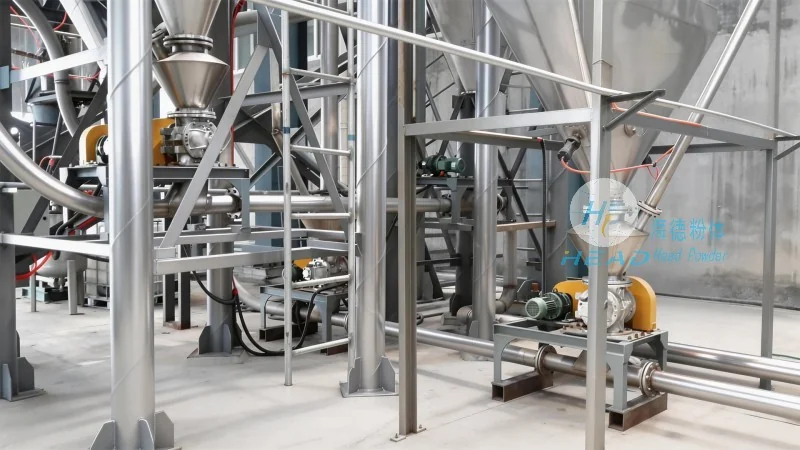
Some inorganic salts are hazardous or corrosive, requiring specialized transport equipment to ensure safety and compliance with regulations. For instance, certain chemical salts may be toxic or reactive, necessitating the use of sealed containers and dedicated transport vehicles. Companies like Shandong HeadPowder Engineering Co., Ltd. specialize in providing customized solutions for the transport of such materials. Their expertise includes designing and manufacturing equipment that meets safety standards, such as pressure vessels and containment systems. By using specialized equipment, industries can ensure the safe handling and transport of hazardous inorganic salts, minimizing risks to personnel and the environment.
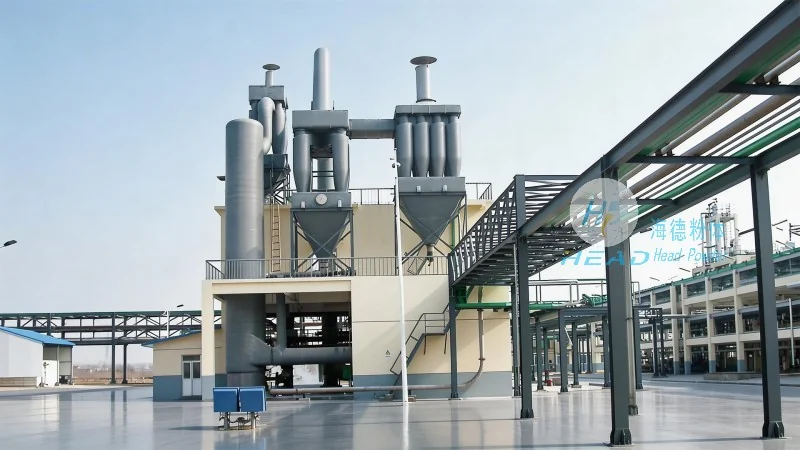
Transporting inorganic salts also involves environmental considerations. It is essential to minimize the impact on water sources and ecosystems, especially when dealing with salt solutions that may contain contaminants. Proper treatment of wastewater and the use of closed-loop systems can help reduce environmental impact. Additionally, the selection of transport methods should consider energy efficiency, as the operation of pumps and vehicles contributes to carbon emissions. Companies like Shandong HeadPowder Engineering Co., Ltd. are committed to sustainable practices, offering eco-friendly solutions for inorganic salt transport that balance operational efficiency with environmental responsibility.
In conclusion, the choice of inorganic salt transport method depends on various factors, including the type of salt, distance, and industrial requirements. Pipeline transportation, pumping systems, tanker trucks, and bulk handling are all viable options, each with its own advantages and limitations. By understanding the specific needs of the application and selecting the appropriate method, industries can ensure efficient, safe, and cost-effective transport of inorganic salts. Companies like Shandong HeadPowder Engineering Co., Ltd. play a crucial role in providing tailored solutions for inorganic salt transport, supporting industrial operations while adhering to safety and environmental standards.

 Shandong Headpowder Engineering Co., Ltd.
 156-6277-7102(Manager Zhang)
  0531-83386006
  Zhangqiu District, Jinan City, Shandong Province, China
telephone
WeChatconsult
top