With more than 10‑year industry experience, Shandong Headpowder delivers full‑service pneumatic‑conveying systems and blowers, undertaking nationwide turn‑key powder‑handling projects.
Calcium hydrogen phosphate (Ca(H₂PO₄)₂) is a widely used chemical compound in various industries, including agriculture, food processing, and pharmaceuticals. Efficient and reliable transport of this material is crucial for maintaining production efficiency and ensuring product quality. This article explores the various methods available for transporting calcium hydrogen phosphate, providing insights into the options that best suit different operational needs.
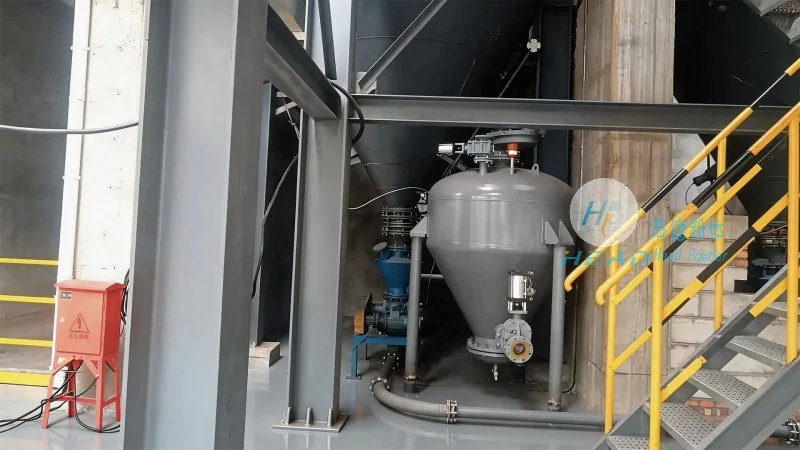
HeadPowder, or Shandong HeadPowder Engineering Co., Ltd., is a leading manufacturer and supplier of calcium hydrogen phosphate and related chemical products. With a strong commitment to quality and innovation, the company serves clients globally, offering high-purity calcium hydrogen phosphate and expert solutions for material handling and transportation. HeadPowder is headquartered in Shandong, China, where it leverages advanced technology and experienced professionals to meet the diverse demands of the chemical industry.
Transporting calcium hydrogen phosphate involves several methods, each with its own advantages and considerations. The choice of method depends on factors such as the scale of operation, the distance of transport, and the specific requirements of the end-user. Below are some of the most common approaches used in the industry:
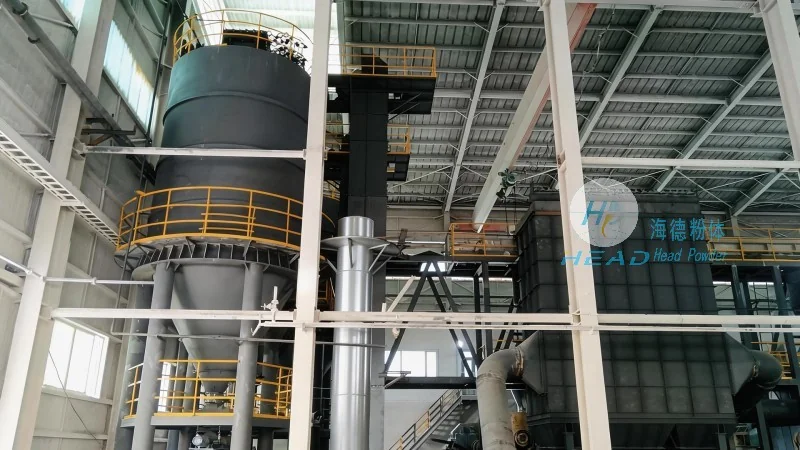
Pneumatic conveying is a popular method for transporting calcium hydrogen phosphate, especially in applications where dust control and minimal product degradation are priorities. This system uses compressed air to move the material through a pipeline. There are two main types of pneumatic conveying: pressure and vacuum. Pressure systems are ideal for short-distance transport, while vacuum systems are better suited for longer distances or when the material needs to be drawn from a hopper or silo. Pneumatic conveying offers advantages like low maintenance, the ability to handle fine powders, and the prevention of cross-contamination. However, it requires careful design to ensure efficient flow and to prevent blockages or pressure drops that could affect performance.
Bucket elevators are another effective method for transporting calcium hydrogen phosphate, particularly in vertical or inclined applications. These systems consist of a continuous belt or chain with buckets attached, which lift the material from a lower to a higher level. Bucket elevators are known for their high capacity and ability to handle bulk materials efficiently. They are commonly used in industrial settings where vertical transport is necessary, such as in feed mills or chemical processing plants. The design of bucket elevators allows for the safe and reliable movement of calcium hydrogen phosphate, minimizing the risk of spillage or product loss. However, regular maintenance is required to ensure the buckets and drive mechanisms operate smoothly.
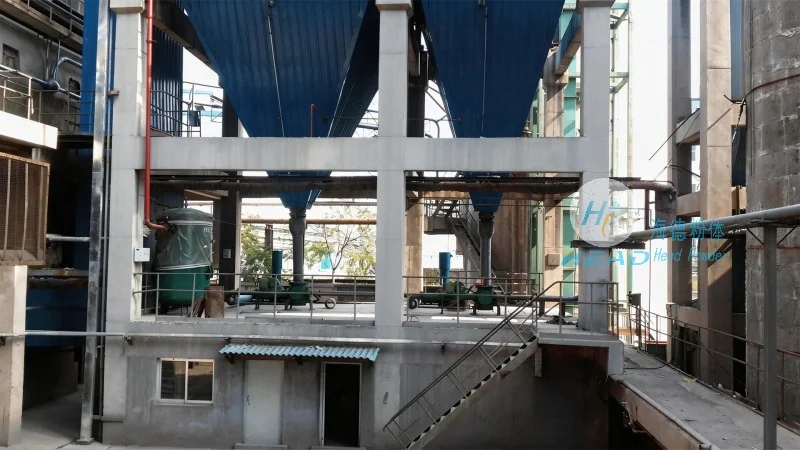
For long-distance transportation of calcium hydrogen phosphate, truck and rail transport are widely used. Trucks are suitable for shorter distances and can deliver the material directly to the customer's site. Rail transport, on the other hand, is ideal for bulk shipments over longer distances, offering cost-effective solutions for large volumes. Both methods require proper packaging to protect the material from moisture and contamination. HeadPowder often collaborates with logistics partners to ensure safe and timely delivery of calcium hydrogen phosphate to clients worldwide.
When transporting calcium hydrogen phosphate in bulk, bagging and bulk bag handling systems are commonly employed. Bulk bags, also known as flexitanks or super sacks, are large, flexible containers that can hold substantial quantities of the material. These bags are designed to be filled, transported, and emptied efficiently. The use of bulk bags reduces the need for multiple smaller containers, making the transport process more economical and environmentally friendly. Bagging systems are often integrated with conveyor belts or forklifts to facilitate the loading and unloading of the material. This method is particularly useful for distributing calcium hydrogen phosphate to smaller-scale users or for storage purposes.
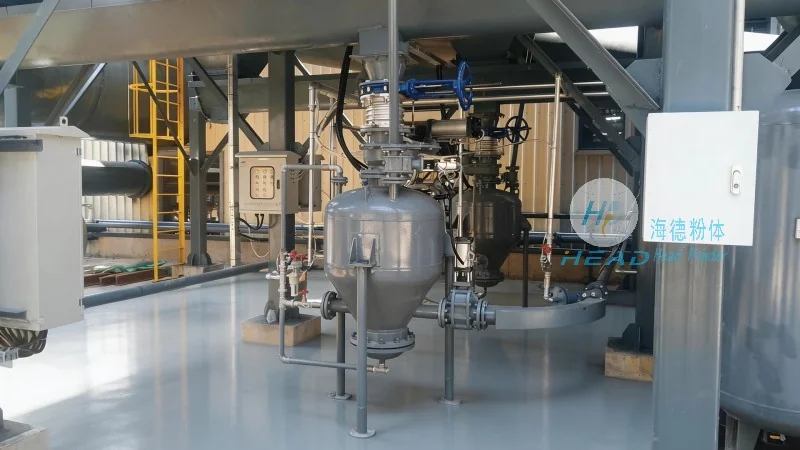
Depending on the specific characteristics of the calcium hydrogen phosphate, such as its moisture content or flowability, specialized equipment may be required for transport. For example, if the material is prone to caking or has poor flow properties, equipment like vibratory feeders or rotary airlock valves may be used to ensure smooth transport. These devices help break up clumps and maintain consistent flow rates, preventing blockages in the transport system. Additionally, some applications may require the use of enclosed conveyors or dust collection systems to protect both the material and the environment. The choice of specialized equipment is critical to ensuring the safe and efficient transport of calcium hydrogen phosphate, especially in industrial settings where safety and compliance are paramount.
In conclusion, the transport of calcium hydrogen phosphate can be achieved through various methods, each tailored to specific operational requirements. Pneumatic conveying, bucket elevators, truck and rail transport, and bulk bag handling are among the most common approaches used by industries. The selection of the appropriate method depends on factors such as distance, scale, and the need for dust control or minimal product degradation. Companies like Shandong HeadPowder Engineering Co., Ltd. play a vital role in providing high-quality calcium hydrogen phosphate and expert guidance on the most suitable transport solutions for their clients. By understanding the different transport options available, businesses can optimize their operations and ensure the reliable delivery of calcium hydrogen phosphate to meet their production and supply needs.

 Shandong Headpowder Engineering Co., Ltd.
 156-6277-7102(Manager Zhang)
  0531-83386006
  Zhangqiu District, Jinan City, Shandong Province, China
telephone
WeChatconsult
top