With more than 10‑year industry experience, Shandong Headpowder delivers full‑service pneumatic‑conveying systems and blowers, undertaking nationwide turn‑key powder‑handling projects.
When it comes to transporting silica powder, selecting the right conveying method is crucial for efficiency, safety, and material integrity. Silica powder, with its fine particles and potential for dust generation, requires specialized equipment to handle it effectively. This article explores various methods used for silica powder conveying, highlighting the options available and their suitability for different industrial applications.
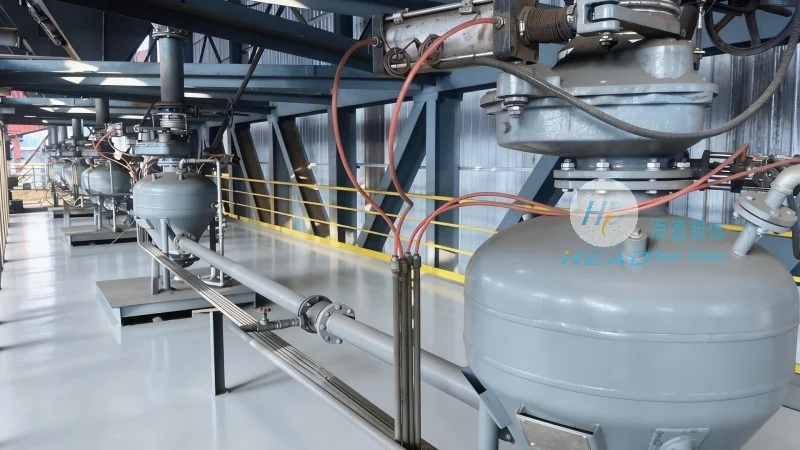
Shandong HeadPowder Engineering Co., Ltd., based in Shandong, China, is a leading provider of industrial conveying solutions. With years of experience in the field, the company specializes in designing and manufacturing equipment tailored to the unique needs of silica powder handling. Their expertise ensures that clients receive reliable, efficient systems that meet industry standards and enhance operational performance.
Air-pneumatic conveying, also known as pneumatic conveying, is a widely used method for transporting silica powder. This system utilizes compressed air to move the powder through a pipeline. The process involves creating a pressure differential that propels the material from the source to the destination. For silica powder, this method is particularly effective due to its ability to handle fine particles without clogging or causing excessive wear on equipment. The system typically consists of a hopper, a rotary valve, and a pipeline with appropriate fittings. Air-pneumatic conveying offers advantages such as low maintenance, flexibility in layout, and the ability to transport materials over long distances. However, it requires careful control of air pressure and flow rates to prevent material degradation or system inefficiencies.
Screw conveyors, also called auger conveyors, are another common method for silica powder conveying. These systems use a rotating screw (auger) to move the powder along a trough. The screw rotates, pushing the material forward as it travels through the conveyor. Screw conveyors are suitable for horizontal or slight incline applications and are particularly effective for handling bulk materials like silica powder. They are often used in processing plants where the powder needs to be moved from one stage to another, such as from a storage silo to a processing unit. The design of screw conveyors allows for a compact footprint, making them ideal for facilities with limited space. However, they may not be suitable for very fine or cohesive powders, as these can cause the screw to bind or the material to segregate. Proper selection of screw pitch and speed is essential to ensure smooth operation and prevent material degradation.
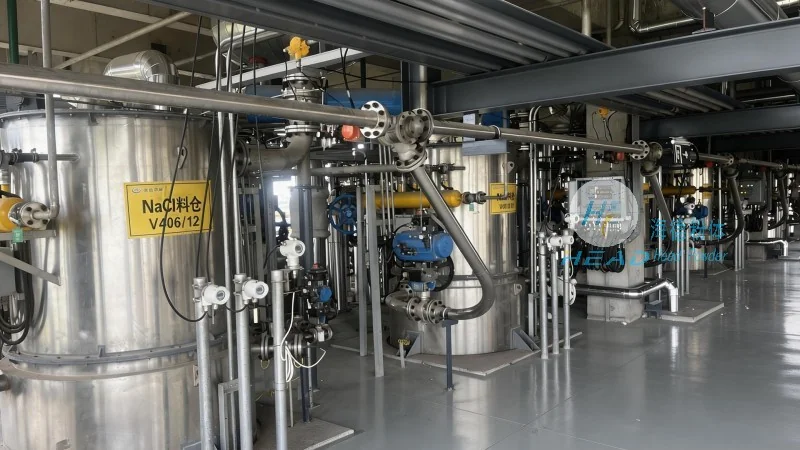
Belt conveyors are widely used in bulk material handling, including silica powder transportation. These systems consist of a continuous belt that moves over rollers or pulleys, transporting the powder from one location to another. Belt conveyors are particularly effective for long-distance and high-volume transport of silica powder. They are commonly used in mining, construction, and manufacturing industries where large quantities of material need to be moved efficiently. The key advantages of belt conveyors include high capacity, low maintenance, and the ability to handle a wide range of particle sizes. However, they require a level or gently sloped path and may not be suitable for very fine powders that can cause dust issues or belt wear. Proper belt tensioning and cleaning are essential to maintain performance and prevent material buildup on the belt.
Hydraulic conveying systems use a liquid medium, typically water or a slurry, to transport silica powder. The powder is mixed with the liquid to form a slurry, which is then pumped through a pipeline to the destination. This method is particularly effective for handling very fine or abrasive powders, as the liquid helps to prevent clogging and reduce wear on equipment. Hydraulic conveying is often used in applications where the powder needs to be transported over long distances or through complex layouts. However, it requires additional equipment for slurry preparation and separation, increasing the overall system complexity and cost. The system also needs to be designed to handle the pressure and flow requirements of the slurry, ensuring that the material is not damaged during transport.
Vibrating conveyors use vibration to move silica powder along a trough. The conveyor is equipped with an oscillating mechanism that causes the material to move forward as it vibrates. This method is suitable for handling bulk materials with varying particle sizes and is particularly effective for powders that are prone to clogging or segregation. Vibrating conveyors are often used in applications where the powder needs to be moved over a slight incline or in a compact space. The design of vibrating conveyors allows for low maintenance and the ability to handle a wide range of materials. However, they may not be suitable for very fine powders that can cause excessive vibration or wear on the conveyor components. Proper selection of vibration frequency and amplitude is crucial to ensure smooth operation and prevent material degradation.
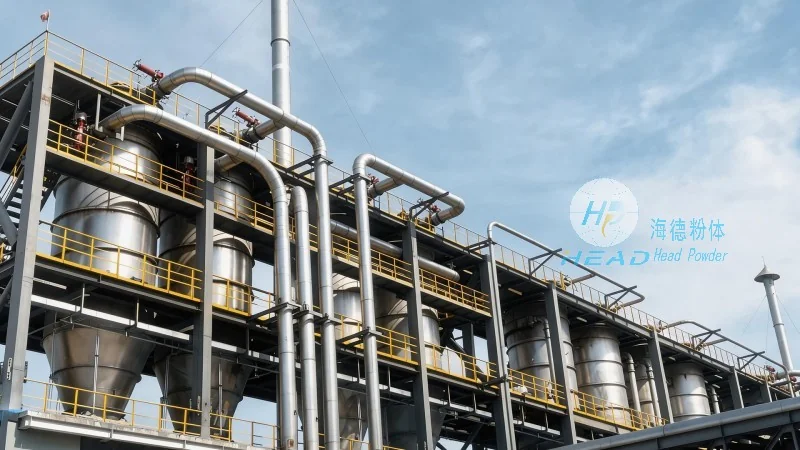
In some cases, a combination of pneumatic and mechanical conveying methods may be used for silica powder transport. This hybrid approach combines the advantages of both systems, such as the flexibility of pneumatic conveying with the reliability of mechanical systems. For example, a pneumatic system may be used to transport the powder from a storage silo to a screw conveyor, which then moves it to the processing unit. This combination allows for efficient and flexible material handling, adapting to different operational needs. The hybrid system requires careful integration to ensure smooth operation and prevent material loss or degradation. It is particularly useful in facilities where the powder needs to be transported over long distances and through complex layouts, combining the benefits of both pneumatic and mechanical methods.
When selecting a conveying method for silica powder, several factors need to be considered to ensure the best performance and efficiency. The first factor is the particle size and characteristics of the silica powder. Fine particles may require more specialized equipment to prevent clogging or dust generation, while coarser particles may be handled by simpler systems. The second factor is the distance and layout of the transport path. Long-distance transport may require pneumatic or hydraulic systems, while short-distance transport may be suitable for screw or belt conveyors. The third factor is the volume and frequency of material transport. High-volume applications may require larger systems, such as belt conveyors or hydraulic systems, while low-volume applications may use smaller, more compact systems. The fourth factor is the available space and budget. Facilities with limited space may opt for screw or vibrating conveyors, while those with higher budgets may choose pneumatic or hydraulic systems. The fifth factor is the environmental and safety considerations. Silica powder can be a health hazard due to dust, so systems that minimize dust generation and provide proper ventilation are essential. Additionally, the system must comply with local regulations and safety standards to ensure worker safety and environmental protection.
Choosing the right method for silica powder conveying is essential for efficient and safe material handling. Each method has its advantages and limitations, and the best choice depends on the specific application and operational requirements. Shandong HeadPowder Engineering Co., Ltd. offers a range of conveying solutions tailored to the needs of silica powder handling, ensuring that clients receive reliable, efficient systems that meet industry standards. By considering factors such as particle size, transport distance, volume, space, and safety, businesses can select the most appropriate conveying method to enhance their operational performance and ensure the integrity of their silica powder.

 Shandong Headpowder Engineering Co., Ltd.
 156-6277-7102(Manager Zhang)
  0531-83386006
  Zhangqiu District, Jinan City, Shandong Province, China
telephone
WeChatconsult
top