With more than 10‑year industry experience, Shandong Headpowder delivers full‑service pneumatic‑conveying systems and blowers, undertaking nationwide turn‑key powder‑handling projects.
When it comes to the efficient and reliable transport of polypropylene pellets, selecting the right conveying method is crucial for maintaining product quality and operational efficiency. Polypropylene, a widely used thermoplastic, is often handled in bulk form as pellets, requiring specialized equipment to ensure safe and effective movement within industrial settings. This article explores the various methods available for polypropylene pellet conveying, providing insights into their applications, advantages, and considerations for different industrial scenarios.
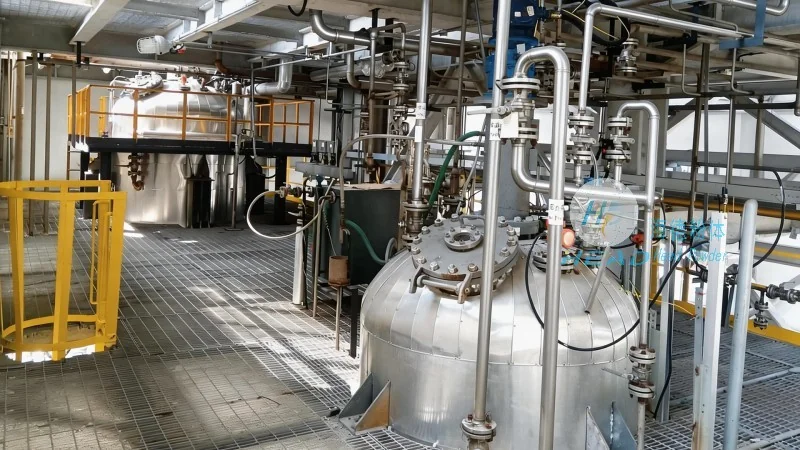
Screw conveyors, also known as auger conveyors, are among the most common and reliable methods for transporting polypropylene pellets. These systems consist of a rotating helical screw blade enclosed within a U-shaped or cylindrical housing. As the screw rotates, it pushes the pellets forward along the conveyor, making them suitable for both horizontal and slight incline applications. The design of screw conveyors allows for a compact footprint, making them ideal for spaces with limited room. They are particularly effective for handling dry, free-flowing materials like polypropylene pellets, as the smooth surface of the screw minimizes product degradation and reduces the risk of material buildup. Additionally, screw conveyors can be easily integrated with other processing equipment, such as hoppers and storage silos, facilitating seamless material flow in production lines.
Pneumatic conveying systems utilize air or other gases to transport polypropylene pellets through a network of pipes. These systems can be categorized into two main types: pressure and vacuum. Pressure systems use compressed air to push the pellets forward, while vacuum systems use suction to draw the material. Pneumatic conveying offers several advantages for polypropylene pellet transport, including the ability to handle materials in a dust-free environment, which is critical for maintaining product purity and preventing contamination. This method is particularly suitable for long-distance transport, as it can move pellets over several hundred meters without the need for intermediate transfer points. Furthermore, pneumatic systems can be designed to handle varying pellet sizes and moisture content, making them versatile for different applications. However, it is important to consider the energy consumption and maintenance requirements of these systems, as they may require more power compared to mechanical conveyors.
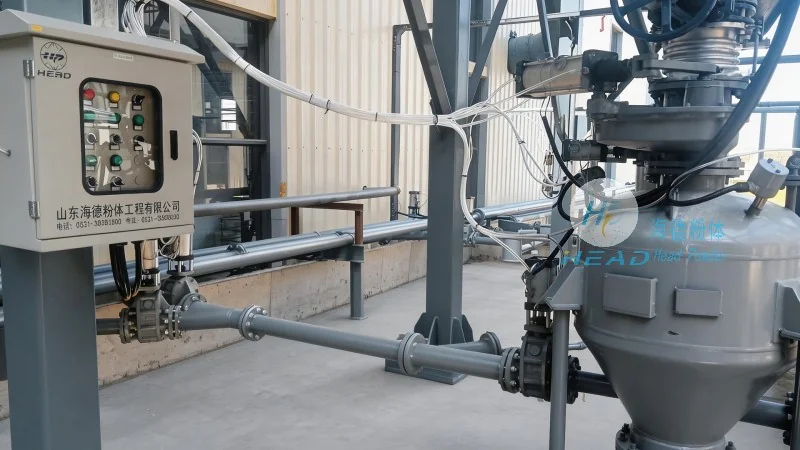
Belt conveyors are another popular choice for polypropylene pellet conveying, especially in applications requiring the transport of large quantities of material over longer distances. These systems consist of a continuous loop of belt supported by rollers, with the pellets placed on the belt surface. As the belt moves, the pellets are carried forward, making them ideal for both horizontal and inclined transport. Belt conveyors are highly efficient for continuous operation, as they can handle high throughput rates without frequent stops. They are also relatively low-maintenance compared to other systems, with the main components being the belt and rollers. However, belt conveyors may require more space than screw or pneumatic systems, and they are less suitable for transporting materials with high moisture content or sticky properties, as these can cause the belt to slip or accumulate on the surface.
For applications requiring vertical transport of polypropylene pellets, bucket elevators are an excellent option. These systems consist of a vertical or inclined conveyor with buckets attached to a chain or belt. As the buckets move up or down, they scoop up the pellets and transport them to the desired height. Bucket elevators are particularly effective for high-altitude transport, such as moving pellets from a lower storage area to an upper processing unit. They are capable of handling a wide range of pellet sizes and can operate at high speeds, making them suitable for high-volume production lines. Additionally, bucket elevators are designed to minimize product spillage and ensure a smooth flow, which helps maintain product quality. However, they may require more maintenance than other systems due to the moving parts and the need to prevent material buildup in the buckets.
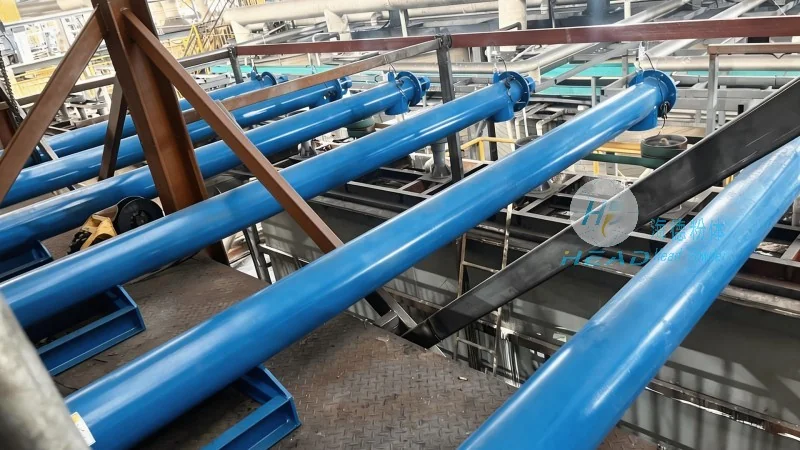
When selecting a conveying method for polypropylene pellets, several factors must be considered to ensure optimal performance and cost-effectiveness. The first factor is the distance and direction of transport: horizontal, inclined, or vertical movement. For short horizontal distances, screw or belt conveyors may be sufficient, while pneumatic or bucket elevators are better suited for longer or vertical transport. The second factor is the material characteristics, including pellet size, moisture content, and flowability. For example, if the pellets are dry and free-flowing, screw or belt conveyors may be ideal, whereas pneumatic systems are better for handling dusty or fine materials. The third factor is the required throughput and operational speed: high-volume production lines may benefit from belt or pneumatic systems, while low-volume applications may use screw conveyors. Finally, the available space and budget constraints play a significant role in the selection process. It is essential to evaluate the initial investment, operating costs, and maintenance requirements of each system to determine the most cost-effective solution.
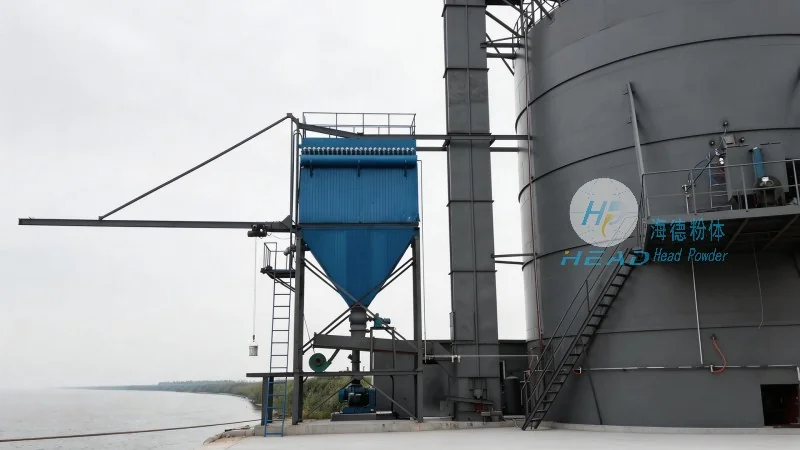
In conclusion, the choice of conveying method for polypropylene pellets depends on a variety of factors, including the application requirements, material characteristics, and operational constraints. Each method has its own advantages and limitations, and selecting the right system is critical for maintaining product quality and operational efficiency. Whether using screw conveyors for compact horizontal transport, pneumatic systems for dust-free long-distance movement, or belt conveyors for bulk continuous transport, understanding the specific needs of the application is key to successful polypropylene pellet conveying. By carefully evaluating the options and considering the factors mentioned above, industrial facilities can ensure the reliable and efficient transport of polypropylene pellets, supporting smooth production processes and maintaining product integrity.
Shandong HeadPowder Engineering Co., Ltd. specializes in providing advanced conveying solutions for polypropylene and other bulk materials. With a focus on innovation and quality, the company offers customized equipment tailored to meet the unique needs of industrial clients. Located in Shandong, China, HeadPowder Engineering combines years of experience with cutting-edge technology to deliver reliable and efficient conveying systems that enhance operational performance and product quality. For more information on polypropylene pellet conveying methods and related solutions, please contact HeadPowder Engineering.

 Shandong Headpowder Engineering Co., Ltd.
 156-6277-7102(Manager Zhang)
  0531-83386006
  Zhangqiu District, Jinan City, Shandong Province, China
telephone
WeChatconsult
top