With more than 10‑year industry experience, Shandong Headpowder delivers full‑service pneumatic‑conveying systems and blowers, undertaking nationwide turn‑key powder‑handling projects.
Expanded clay aggregate, also known as lightweight aggregate, is widely used in construction, horticulture, and industrial applications due to its lightweight, thermal insulation, and structural properties. Efficient and reliable transport of this material is crucial for maintaining production efficiency and ensuring quality control. This article explores several aerodynamic transport solutions for expanded clay aggregate, highlighting the key considerations and practical applications.
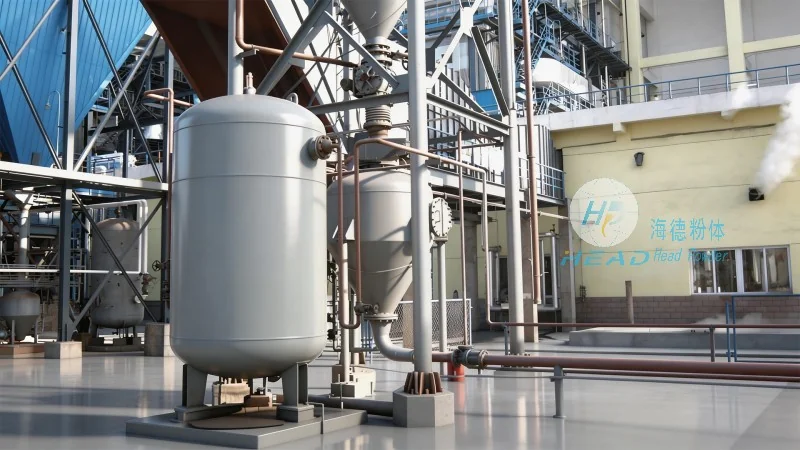
Aerodynamic transport, or pneumatic conveying, involves the movement of bulk materials through a pipeline using air or gas as the conveying medium. For expanded clay aggregate, which is typically granular and has specific particle size distributions, selecting the right transport method is essential to minimize material degradation, energy consumption, and operational costs. The choice of transport system depends on factors such as material characteristics, distance, throughput requirements, and environmental constraints.
HeadPowder, a leading provider of bulk material handling solutions, specializes in the design, manufacturing, and installation of pneumatic conveying systems. With years of experience in the industry, HeadPowder has developed innovative solutions tailored to the unique challenges of transporting expanded clay aggregate. The company’s commitment to quality and customer satisfaction has made it a trusted partner for businesses seeking reliable material transport solutions.
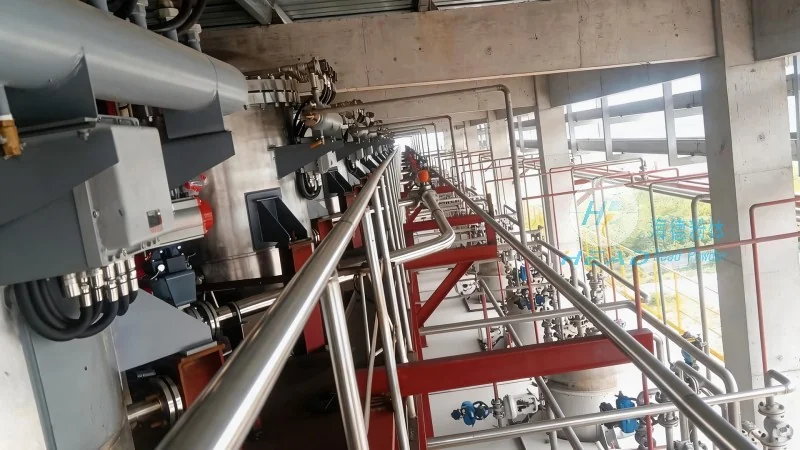
Positive pressure systems use a blower or compressor to generate pressure in the conveying line, pushing the material forward. This method is suitable for short to medium distances and high throughput applications. The system typically consists of a hopper, feeder, pipeline, and receiver. For expanded clay aggregate, positive pressure systems are effective for transporting materials with higher moisture content or larger particle sizes, as the pressure helps maintain material flow and prevents blockages. HeadPowder’s positive pressure systems are designed with robust components to handle the abrasive nature of expanded clay aggregate, ensuring long-term reliability and minimal maintenance.
Negative pressure systems create a vacuum in the pipeline, drawing material from the source into the receiver. This method is ideal for long-distance transport and applications where the material needs to be collected from multiple points. Negative pressure systems are particularly useful for expanded clay aggregate when the material is to be transported from a storage silo or a production line to a processing facility. The vacuum helps maintain the material’s integrity and reduces the risk of dust emissions. HeadPowder’s vacuum conveying systems are equipped with advanced filtration and dust control features, ensuring compliance with environmental regulations and maintaining a clean working environment.
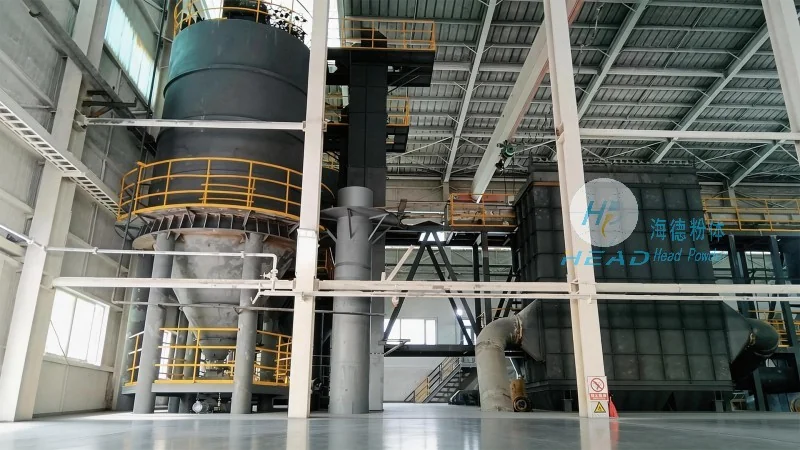
Hybrid systems combine elements of both positive and negative pressure systems, offering flexibility and efficiency for complex transport scenarios. These systems are often used when transporting expanded clay aggregate over long distances with varying elevations or when integrating multiple material sources. The hybrid approach allows for optimized pressure and vacuum levels, reducing energy consumption and improving overall system performance. HeadPowder’s hybrid systems are customizable to meet specific project requirements, providing a cost-effective solution for businesses with diverse material handling needs.
Dense phase conveying is a specialized method that operates at low velocity and high pressure, creating a dense slurry of material in the pipeline. This technique is particularly effective for transporting expanded clay aggregate with high moisture content or fine particles, as it minimizes material degradation and prevents clogging. Dense phase systems are suitable for short to medium distances and are often used in applications where the material needs to be delivered to a specific location with minimal pressure drop. HeadPowder’s dense phase systems are designed with precise control mechanisms to maintain the optimal conveying conditions, ensuring consistent material flow and high delivery accuracy.
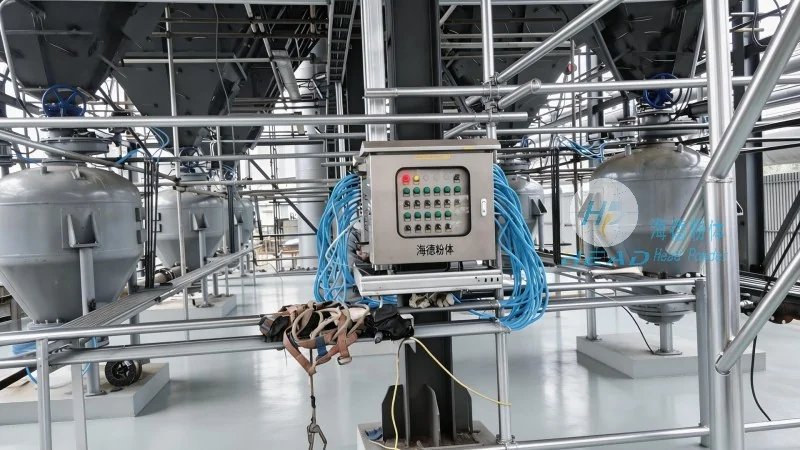
When choosing an aerodynamic transport system for expanded clay aggregate, several factors must be considered to ensure optimal performance and cost-effectiveness. First, the material’s physical properties, such as particle size, density, and moisture content, play a critical role in determining the most suitable conveying method. Second, the distance and elevation changes between the source and destination affect the system’s design, including the required pressure or vacuum levels. Third, the throughput requirements and operational frequency impact the system’s capacity and components. Finally, environmental regulations and safety considerations, such as dust control and noise reduction, must be addressed to ensure compliance and maintain a safe working environment.
Efficient aerodynamic transport of expanded clay aggregate is essential for modern industrial operations. By understanding the different pneumatic conveying solutions available and selecting the appropriate system based on specific requirements, businesses can improve production efficiency, reduce costs, and ensure the quality of their products. Shandong HeadPowder Engineering Co., Ltd. offers a range of innovative and reliable transport solutions tailored to the unique needs of expanded clay aggregate, helping companies achieve their material handling goals with confidence.

 Shandong Headpowder Engineering Co., Ltd.
 156-6277-7102(Manager Zhang)
  0531-83386006
  Zhangqiu District, Jinan City, Shandong Province, China
telephone
WeChatconsult
top