With more than 10‑year industry experience, Shandong Headpowder delivers full‑service pneumatic‑conveying systems and blowers, undertaking nationwide turn‑key powder‑handling projects.
When it comes to transporting gray calcium powder, the choice between positive pressure and negative pressure pneumatic conveying systems is a critical decision for industrial operations. These methods represent two distinct approaches to moving bulk materials through a pipeline using air or gas as the conveying medium. Understanding the nuances of each system is essential for optimizing efficiency, cost-effectiveness, and operational safety in material handling processes.
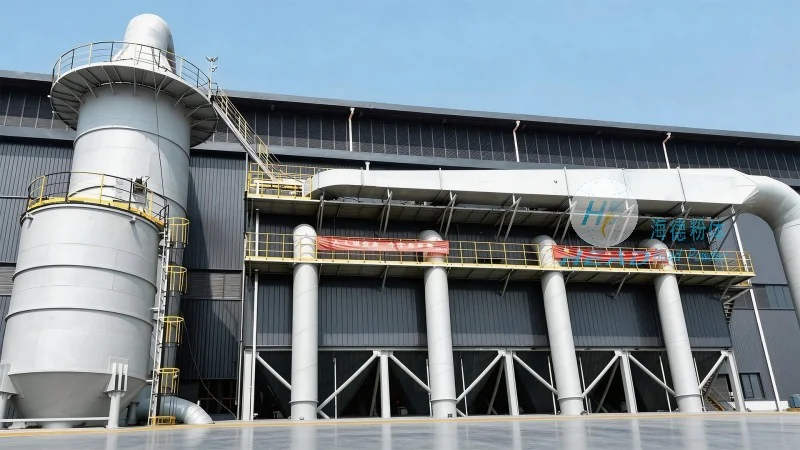
Positive pressure conveying, also known as pressure pneumatic conveying, operates by blowing air or gas into the material stream to move the powder through the pipeline. This method is particularly effective for transporting gray calcium powder over long distances or through complex network systems. The primary advantage of positive pressure systems is their ability to handle a wide range of material characteristics, including those with high moisture content or abrasive properties. The pressurized environment helps maintain material integrity and prevents clogging, making it suitable for demanding applications where reliability is paramount.
In terms of system design, positive pressure conveyors typically feature a blower or compressor at the discharge end, creating a pressure differential that propels the material forward. This setup allows for the integration of multiple conveying lines and the handling of varying material loads without significant performance degradation. For gray calcium powder, which is often used in construction and industrial applications, the ability to maintain consistent flow rates and prevent material degradation during transport is a key benefit. Companies like Shandong HeadPowder Engineering Co., Ltd. specialize in designing and implementing positive pressure systems tailored to the specific needs of gray calcium powder, ensuring optimal performance and durability.
Negative pressure conveying, or vacuum pneumatic conveying, works by creating a vacuum at the receiving end of the system to draw the material into the pipeline. This approach is commonly used for shorter distances or when the material needs to be transported from a higher elevation to a lower one. The main advantage of negative pressure systems is their ability to handle materials that are sensitive to pressure or temperature changes, as the material is not subjected to high pressures during transport. This makes them ideal for transporting gray calcium powder that may be prone to caking or degradation under pressure.
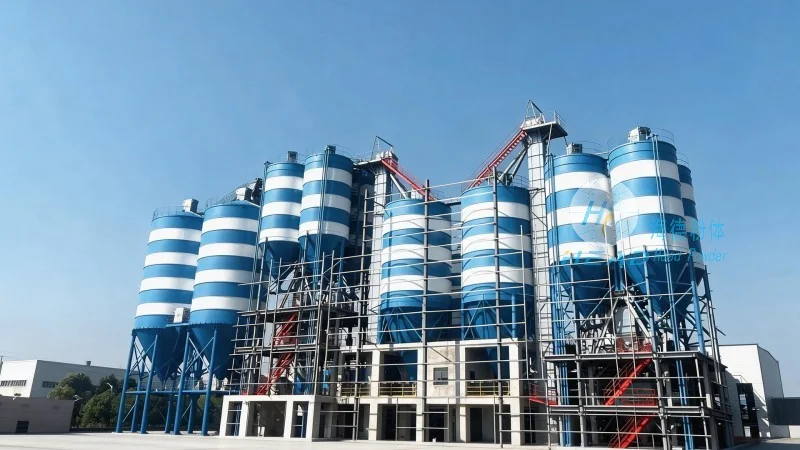
The operational mechanism involves a vacuum pump at the discharge end, which creates a pressure difference that pulls the material through the pipeline. Unlike positive pressure systems, negative pressure conveyors do not require high-pressure blowers, reducing energy consumption and maintenance costs. However, they are generally less effective for long-distance or high-volume transport due to limitations in suction capacity and potential for material degradation from prolonged exposure to low pressure. For applications involving gray calcium powder, negative pressure systems are often preferred when the material is to be delivered to a processing facility or storage area at a lower level, minimizing the need for additional equipment.
When comparing positive and negative pressure conveying for gray calcium powder, several factors must be evaluated to determine the most suitable system. The first consideration is the distance and layout of the conveying system. Positive pressure systems are better suited for longer distances or complex network configurations, as they can maintain consistent pressure and flow rates over extended lengths. Negative pressure systems, on the other hand, are more efficient for shorter distances and simpler layouts, where the material can be drawn into the pipeline with minimal resistance.
Another critical factor is the material properties of gray calcium powder. Positive pressure systems excel in handling materials with high moisture content or abrasive characteristics, as the pressurized air helps prevent clogging and maintains material integrity. Negative pressure systems are preferable for materials that are sensitive to pressure or temperature, as they operate under lower pressures and avoid potential degradation. The choice also depends on the operational environment, including the need for noise reduction or explosion protection, which may influence the selection of either system.
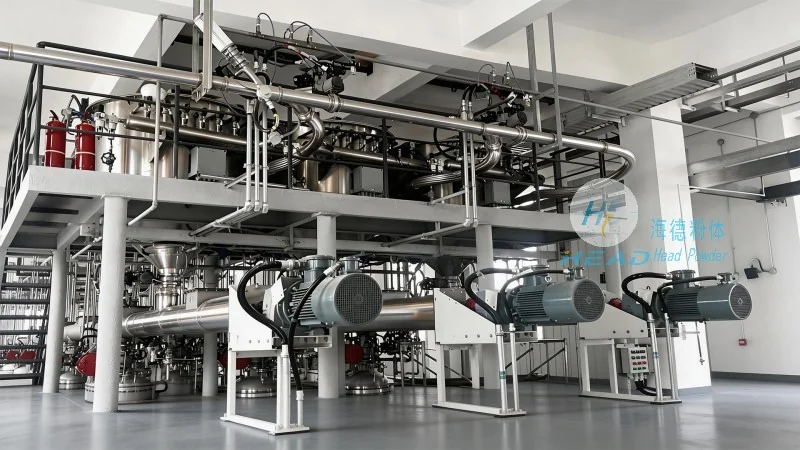
Cost and maintenance are also significant considerations. Positive pressure systems typically require more robust equipment, such as high-capacity blowers and pressure-resistant pipelines, leading to higher initial investment and maintenance costs. Negative pressure systems, while less expensive to install, may have higher energy consumption due to the continuous operation of vacuum pumps. For companies like Shandong HeadPowder Engineering Co., Ltd., the decision often involves a trade-off between upfront costs and long-term operational efficiency, with the goal of optimizing the total cost of ownership for gray calcium powder conveying.
Ultimately, the choice between positive pressure and negative pressure conveying for gray calcium powder depends on a combination of operational requirements, material characteristics, and cost considerations. Positive pressure systems offer superior performance for long-distance and high-volume transport, while negative pressure systems provide advantages in shorter distances and material sensitivity. By understanding the specific needs of the application, industrial operators can select the most appropriate system to ensure efficient, reliable, and cost-effective transport of gray calcium powder.
Shandong HeadPowder Engineering Co., Ltd. specializes in providing customized pneumatic conveying solutions tailored to the unique demands of gray calcium powder handling. With expertise in both positive and negative pressure systems, the company offers comprehensive design, installation, and maintenance services to optimize material transport processes. By leveraging advanced technology and industry knowledge, HeadPowder ensures that clients achieve maximum efficiency and minimal downtime in their gray calcium powder conveying operations.

 Shandong Headpowder Engineering Co., Ltd.
 156-6277-7102(Manager Zhang)
  0531-83386006
  Zhangqiu District, Jinan City, Shandong Province, China
telephone
WeChatconsult
top