With more than 10‑year industry experience, Shandong Headpowder delivers full‑service pneumatic‑conveying systems and blowers, undertaking nationwide turn‑key powder‑handling projects.
Pneumatic conveying is a critical technology in the food processing industry, enabling the efficient and hygienic transport of bulk materials such as powders, granules, and granular products. Two primary methods dominate this field: negative pressure (or suction) conveying and positive pressure (or pressure) conveying. This analysis, provided by Shandong HeadPowder Engineering Co., Ltd. (headpowder), delves into the comparative benefits and drawbacks of negative pressure versus positive pressure pneumatic conveying, offering insights for industry professionals evaluating their material handling solutions.
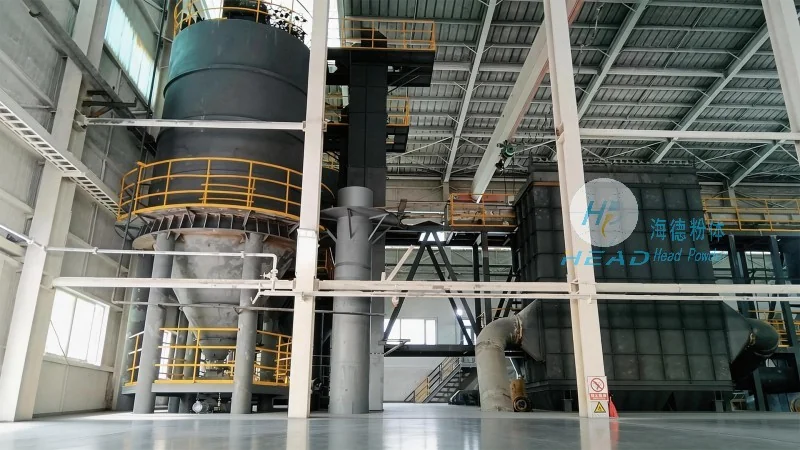
Negative pressure conveying, also known as suction conveying, operates by creating a low-pressure environment at the material inlet, drawing material into the system using a vacuum. This method is particularly effective for handling fine powders and materials that are prone to dusting or caking. The primary advantage of negative pressure systems is their ability to transport materials from multiple source points to a single collection point without the need for complex piping networks. This makes them ideal for applications where material is scattered across a large area or needs to be gathered from various locations. Additionally, negative pressure systems often require less initial investment in terms of equipment and infrastructure, as they typically use smaller and more compact vacuum pumps compared to their positive pressure counterparts.
However, negative pressure conveying also presents several challenges. One of the most significant drawbacks is the risk of air leakage and contamination, as the system operates under vacuum. This can compromise product quality, especially for sensitive food products that require strict hygiene standards. Moreover, negative pressure systems are generally less efficient for long-distance or high-volume material transport, as the vacuum pressure diminishes over distance, potentially leading to reduced conveying capacity. Another concern is the need for proper filtration and dust control measures to prevent airborne particles from escaping into the environment, which may require additional equipment and maintenance.
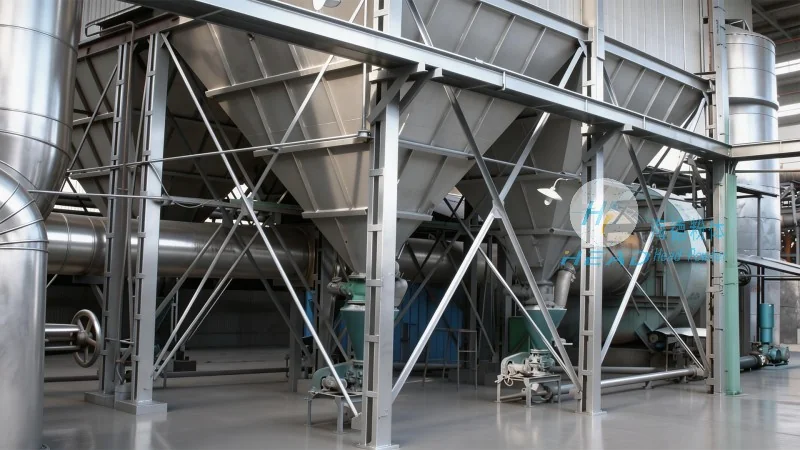
Positive pressure conveying, or pressure conveying, works by generating high-pressure air or gas at the material source, pushing material through the system. This method is well-suited for transporting bulk materials over longer distances and at higher volumes, making it ideal for applications requiring robust and reliable material transport. The primary advantage of positive pressure systems is their superior efficiency in long-distance and high-capacity conveying. The high-pressure air maintains consistent material flow, reducing the risk of blockages and ensuring reliable operation. Additionally, positive pressure systems are generally more resistant to contamination and air leakage, as they operate under positive pressure, which helps prevent external air from entering the system and contaminating the product.
Despite these benefits, positive pressure conveying has its own set of limitations. The most notable drawback is the higher initial cost and complexity of the system. Positive pressure systems typically require larger and more powerful blowers or compressors, which increase capital expenditure. Furthermore, the high-pressure air can cause wear and tear on equipment components, such as pipes and valves, leading to higher maintenance costs over time. Another challenge is the need for proper pressure management and safety measures, as high-pressure systems pose risks if not properly maintained. Additionally, positive pressure systems may not be as effective for handling fine powders or materials that are prone to caking, as the high-pressure air can cause agglomeration or blockages in the system.
When evaluating negative pressure versus positive pressure pneumatic conveying for food applications, several factors must be considered. The choice between the two methods often depends on the specific material characteristics, such as particle size, moisture content, and flowability. For example, negative pressure systems are generally preferred for fine powders with low flowability, as they can handle these materials more gently and prevent agglomeration. In contrast, positive pressure systems are better suited for granular or bulk materials that require high-volume transport over long distances. Operational factors, such as the number of source points and the need for material collection at a single point, also influence the selection. Negative pressure systems excel in multi-source applications, while positive pressure systems are more efficient for single-source, long-distance transport.
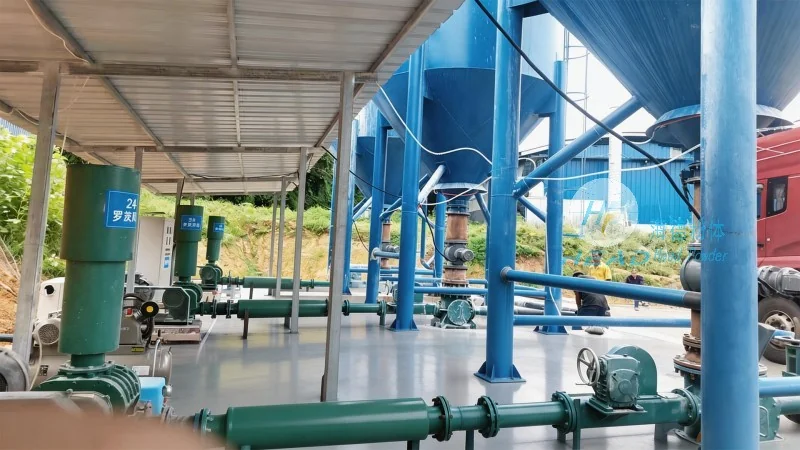
Hygiene and contamination control are critical considerations in the food industry, and both negative and positive pressure systems have their strengths and weaknesses. Negative pressure systems require rigorous filtration and dust control to prevent product contamination, while positive pressure systems are inherently more resistant to external contamination due to their positive pressure operation. However, positive pressure systems may still require additional measures, such as air filtration and pressure relief valves, to ensure safe and hygienic operation. Maintenance and operational costs are also important factors. Negative pressure systems typically have lower maintenance costs due to simpler equipment, but may require more frequent filter changes to maintain performance. Positive pressure systems, while more expensive initially, may have lower long-term maintenance costs due to their robust design and reduced need for frequent filter replacements.
Ultimately, the choice between negative pressure and positive pressure pneumatic conveying in the food industry depends on a careful assessment of operational requirements, material characteristics, and cost considerations. Negative pressure systems offer advantages in terms of lower initial investment and suitability for fine powders, but come with challenges related to contamination control and efficiency for long-distance transport. Positive pressure systems excel in high-volume, long-distance applications and provide better contamination resistance, albeit at a higher initial cost and maintenance requirements. For food processing facilities, it is essential to evaluate the specific needs of the operation, including material type, transport distance, and hygiene standards, to select the most appropriate pneumatic conveying system. By understanding the comparative advantages and disadvantages of each method, industry professionals can make informed decisions that optimize material handling efficiency, ensure product quality, and comply with regulatory requirements.

 Shandong Headpowder Engineering Co., Ltd.
 156-6277-7102(Manager Zhang)
  0531-83386006
  Zhangqiu District, Jinan City, Shandong Province, China
telephone
WeChatconsult
top