With more than 10‑year industry experience, Shandong Headpowder delivers full‑service pneumatic‑conveying systems and blowers, undertaking nationwide turn‑key powder‑handling projects.
When it comes to the efficient and reliable transportation of monosodium glutamate (MSG) powder, selecting the right pneumatic conveying system is crucial. Two primary methods dominate the industry: negative pressure (or suction) conveying and positive pressure (or pressure) conveying. Each approach has its own set of advantages and disadvantages, which can significantly impact operational efficiency, cost, and product quality. This article provides a detailed comparison of these two systems, focusing on their applications, benefits, and potential drawbacks in the context of MSG powder handling.
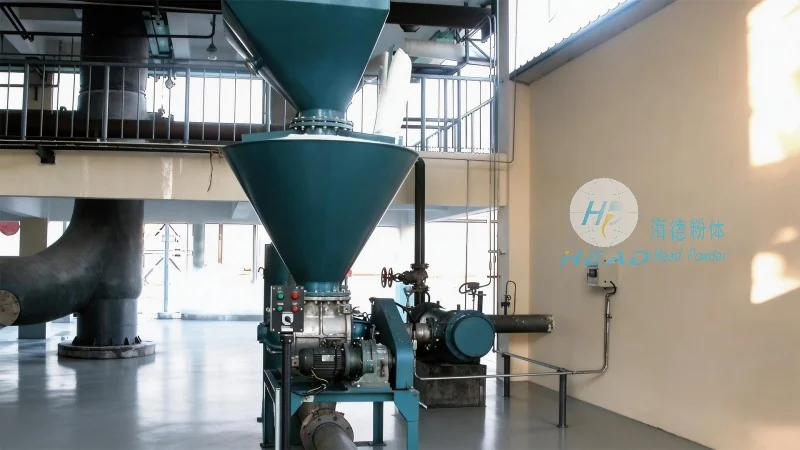
Pneumatic conveying systems use air or gas to transport bulk materials like MSG powder through a pipeline. The choice between negative and positive pressure systems depends on factors such as material properties, distance, and the need for containment. Negative pressure systems draw material into the system using a vacuum, while positive pressure systems push material through the pipeline using compressed air.
Negative pressure conveying, also known as suction conveying, operates by creating a vacuum at the material inlet. This method is particularly effective for handling fine powders like MSG, as it can draw material from multiple sources without the need for additional equipment at the source. One of the key advantages is the ability to convey materials over relatively long distances with minimal pressure drop. Additionally, negative pressure systems are often more cost-effective for short to medium distances, as they require less powerful air compressors compared to positive pressure systems.
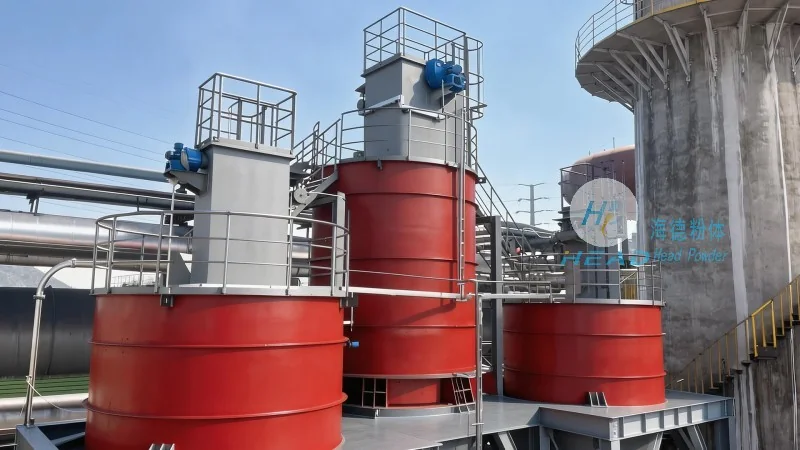
However, negative pressure systems have notable drawbacks. The primary concern is the risk of air leakage and contamination, as the system operates under a vacuum. This can lead to product loss and increased maintenance costs. Furthermore, the suction force is limited by the system's vacuum level, which may not be sufficient for high-volume or high-resistance materials. Another disadvantage is the potential for material degradation due to prolonged exposure to air, especially for sensitive products like MSG. The system also requires careful design to prevent backflow and ensure consistent material flow.
Positive pressure conveying, or pressure conveying, uses compressed air to push material through the pipeline. This method is ideal for applications requiring high material flow rates and the ability to handle abrasive or sticky materials. One of the main advantages is the ability to convey materials over longer distances with higher pressure, ensuring consistent flow rates. Positive pressure systems are also more suitable for handling materials that are prone to bridging or clogging, as the compressed air helps to break up agglomerates and maintain flow.

Nevertheless, positive pressure systems come with their own set of challenges. The most significant drawback is the higher operational cost due to the need for powerful air compressors and the energy required to maintain pressure. This can increase long-term operational expenses. Additionally, positive pressure systems are more complex to install and maintain, as they require robust seals and pressure-resistant components to prevent air leakage and product contamination. The system also generates more noise and vibration, which may require additional noise control measures.
When selecting a pneumatic conveying system for MSG powder, several factors must be considered. The material's particle size, moisture content, and flowability are critical. Negative pressure systems are often preferred for fine, free-flowing powders with low moisture content, as they can handle these characteristics effectively. Positive pressure systems, on the other hand, are better suited for materials with higher moisture content or those that tend to agglomerate, as the compressed air helps to maintain flow.
The distance between the source and destination is another important factor. For short to medium distances, negative pressure systems may be more economical, while positive pressure systems are more suitable for longer distances or when high flow rates are required. The need for product containment and environmental regulations also plays a role, as positive pressure systems can be more easily contained and sealed.
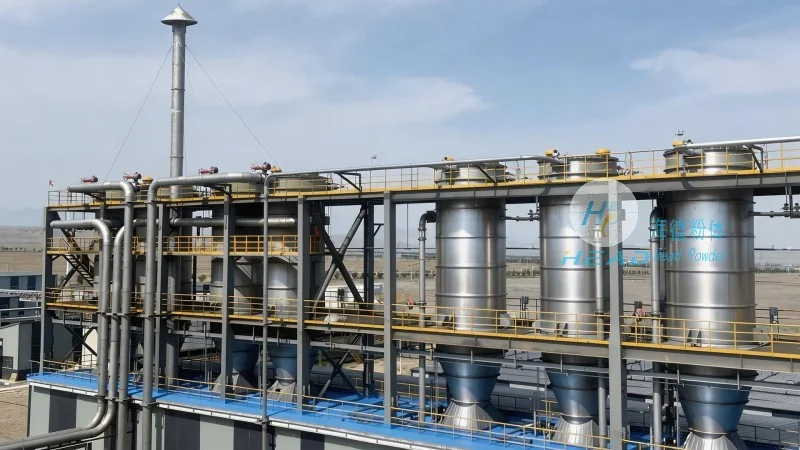
Both negative pressure and positive pressure pneumatic conveying systems have their place in the handling of monosodium glutamate powder. The choice ultimately depends on the specific requirements of the application, including material properties, distance, and operational costs. Negative pressure systems offer cost-effective solutions for short to medium distances and fine powders, while positive pressure systems provide higher flow rates and better handling of abrasive or sticky materials over longer distances.
Shandong HeadPowder Engineering Co., Ltd., a leading provider of engineering solutions for bulk material handling, specializes in designing and implementing customized pneumatic conveying systems tailored to the needs of the food and chemical industries. With years of experience in handling MSG powder and other fine materials, the company offers expert consultation and tailored solutions to optimize material transport efficiency and reduce operational costs. Based in Shandong, China, HeadPowder Engineering leverages advanced technology and industry knowledge to deliver reliable and efficient conveying systems that meet the highest standards of quality and safety.

 Shandong Headpowder Engineering Co., Ltd.
 156-6277-7102(Manager Zhang)
  0531-83386006
  Zhangqiu District, Jinan City, Shandong Province, China
telephone
WeChatconsult
top