With more than 10‑year industry experience, Shandong Headpowder delivers full‑service pneumatic‑conveying systems and blowers, undertaking nationwide turn‑key powder‑handling projects.
Efficient and reliable transportation of paper dust is a critical aspect of modern industrial processes, particularly in the pulp and paper industry. Pneumatic conveying systems offer a versatile and effective method to handle these materials, ensuring minimal loss, reduced contamination, and enhanced operational safety. This article explores several key solutions for pneumatic conveying of paper dust, highlighting the technical approaches, advantages, and practical applications of each method.
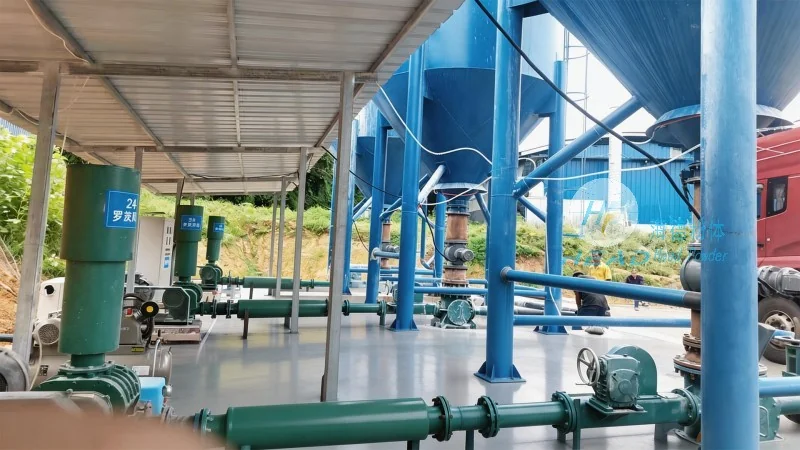
Positive pressure systems utilize a blower or fan to generate air pressure within the conveying line, propelling the material forward. This approach is particularly effective for short to medium distance applications and for conveying materials that are prone to clogging or require gentle handling. The system operates by introducing air at a higher pressure than the ambient environment, creating a positive pressure gradient that moves the material through the pipeline. Key components include a blower, a hopper for material storage, a rotary valve for metering, and a filter to capture any fine particles. The positive pressure design ensures that the material is continuously pushed through the system, reducing the risk of blockages and providing consistent flow rates. This method is ideal for applications where the material is to be transported from a central processing unit to a storage or processing location, such as in paper mills or recycling facilities.
Negative pressure systems, also known as vacuum conveyors, operate by creating a vacuum at the receiving end of the line, drawing the material into the system. This approach is commonly used for longer distances and for materials that need to be collected from multiple points or from a large open area. The system works by using a vacuum pump to create a low-pressure environment at the inlet, which pulls the material through the pipeline. The key components include a vacuum pump, a hopper or collection point, a rotary valve, and a filter. Negative pressure systems are advantageous for their ability to handle materials from various sources and for their lower initial cost compared to positive pressure systems. However, they may require more maintenance due to the higher wear on components from the continuous suction process. These systems are often used in applications where the material is to be transported from a collection area to a central processing unit, such as in waste paper recycling operations or in the collection of paper dust from production lines.
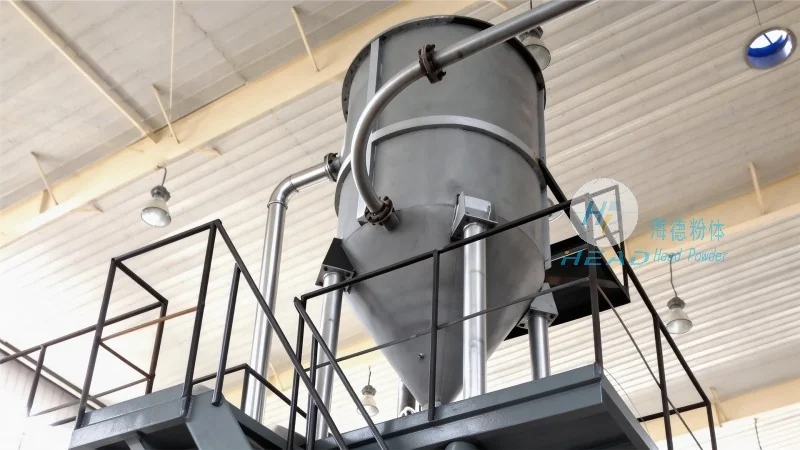
Hybrid systems combine the benefits of both positive and negative pressure approaches, offering flexibility in conveying different materials over varying distances. These systems are designed to handle a wide range of paper dust characteristics, including different particle sizes, moisture content, and flowability. The hybrid approach typically involves a combination of a blower and a vacuum pump, allowing the system to switch between positive and negative pressure modes as needed. This flexibility makes hybrid systems suitable for complex applications where the material may need to be transported from multiple sources to a central processing location or where the distance and material properties vary. The system includes components such as a dual-mode blower, a multi-point collection hopper, and an adjustable control valve. The hybrid design ensures efficient material handling while maintaining operational efficiency and minimizing energy consumption. These systems are particularly useful in large-scale paper mills where different types of paper dust need to be processed and transported to various destinations within the facility.
High-pressure systems utilize significantly higher air pressures, typically ranging from 7 to 14 bar, to convey materials over longer distances with higher efficiency. This approach is ideal for applications requiring high throughput and long-distance transport, such as in large-scale paper production facilities or in the transportation of paper dust from a central processing plant to a distant storage or processing site. The high-pressure design allows for the movement of larger quantities of material with less energy consumption compared to standard positive pressure systems. Key components include high-pressure blowers, robust pipeline systems, and specialized valves to handle the increased pressure and material flow. The high-pressure system operates by compressing air to a high pressure and then releasing it through the pipeline, creating a powerful flow that propels the material. This method is particularly effective for materials that are dense or have a high moisture content, as the high pressure helps to maintain the material's integrity and prevent clogging. However, high-pressure systems require more robust equipment and may have higher maintenance costs due to the increased stress on components. They are commonly used in industrial settings where large volumes of paper dust need to be transported over significant distances, such as in the recycling of waste paper or in the production of paper products.
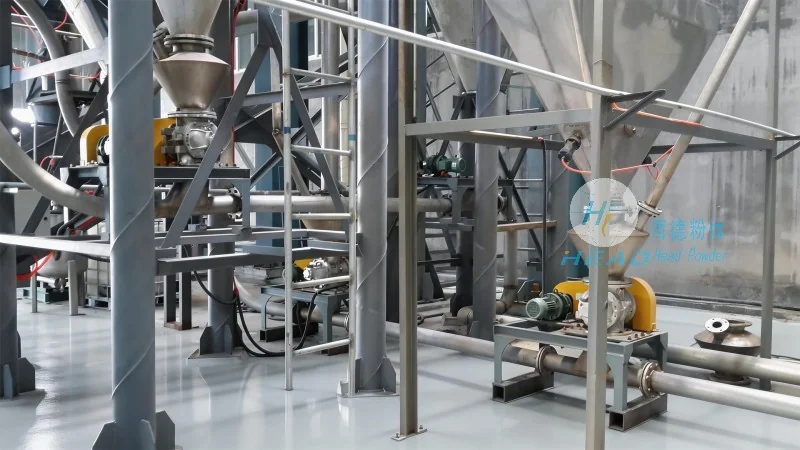
Low-pressure systems operate at pressures typically ranging from 1 to 3 bar, making them suitable for applications where the material is less dense or where the distance is short. This approach is often used in smaller-scale operations or in applications where the material needs to be handled gently to avoid damage. The low-pressure system uses a blower to generate air pressure, which is then used to move the material through the pipeline. Key components include a low-pressure blower, a hopper, and a simple filter. The low-pressure design ensures that the material is conveyed with minimal stress, reducing the risk of particle breakage or degradation. This method is ideal for applications such as conveying fine paper dust from a processing unit to a storage bin or for transporting materials in smaller production facilities. The low-pressure system is generally more cost-effective and easier to maintain compared to high-pressure systems, making it a popular choice for smaller-scale operations. However, it may not be suitable for long-distance or high-throughput applications due to its lower efficiency and reduced material handling capacity.
HeadPowder, a leading engineering company based in Shandong, China, specializes in providing tailored pneumatic conveying solutions for paper dust and other industrial materials. With years of experience in the field, HeadPowder understands the unique challenges and requirements of the pulp and paper industry and offers customized systems that meet specific operational needs. The company's solutions are designed to enhance efficiency, reduce downtime, and improve overall productivity in industrial settings. HeadPowder's team of engineers works closely with clients to assess their material characteristics, transportation requirements, and operational constraints, developing a comprehensive system that addresses all aspects of the pneumatic conveying process. The company's products include a range of components such as blowers, hoppers, rotary valves, filters, and control systems, all designed to work together seamlessly. HeadPowder's commitment to quality and innovation ensures that their systems are reliable, durable, and energy-efficient, providing long-term value to their clients. The company's headquarters is located in Shandong, China, and serves clients both domestically and internationally, offering expert technical support and after-sales service. By choosing HeadPowder's customized pneumatic conveying solutions, industrial facilities can optimize their material handling processes, reduce operational costs, and improve overall performance in the paper and pulp industry.

 Shandong Headpowder Engineering Co., Ltd.
 156-6277-7102(Manager Zhang)
  0531-83386006
  Zhangqiu District, Jinan City, Shandong Province, China
telephone
WeChatconsult
top