With more than 10‑year industry experience, Shandong Headpowder delivers full‑service pneumatic‑conveying systems and blowers, undertaking nationwide turn‑key powder‑handling projects.
High polymer denitration systems represent a sophisticated technology designed to reduce nitrogen oxides (NOx) emissions from industrial processes. These systems are engineered to provide effective and efficient NOx removal, playing a crucial role in environmental protection and compliance with stringent air quality regulations. The technology leverages advanced polymer materials and optimized system designs to achieve high removal efficiencies, making it a preferred solution for various industrial applications.
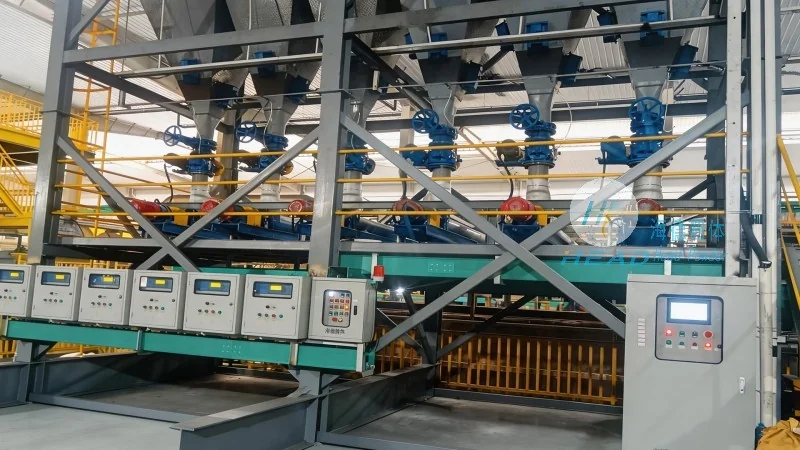
High polymer denitration systems are meticulously engineered to combine functionality with durability. The core components include a gas inlet and outlet system, a reaction chamber equipped with a high-performance polymer catalyst bed, and a temperature and pressure control unit. The gas distribution system within the reaction chamber is designed with precision to ensure uniform flow across the catalyst surface, which is critical for maximizing the contact between NOx molecules and the reducing agent. The polymer catalyst, often formulated with active metal oxides and polymer matrices, provides enhanced catalytic activity and resistance to sintering or poisoning, extending the system's service life. The structural design incorporates heat exchangers and cooling mechanisms to manage the exothermic reactions, maintaining stable operating temperatures and preventing thermal stress on the components. The system is constructed using corrosion-resistant materials, such as stainless steel and special alloys, to withstand the harsh conditions of industrial exhaust gases.
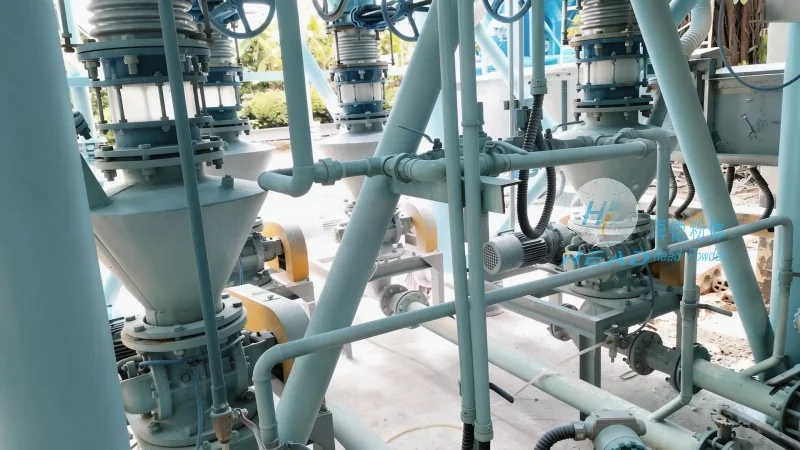
The denitration process in high polymer denitration systems follows a multi-step chemical reaction pathway. Initially, the industrial exhaust gas, which contains NOx (primarily NO and NO₂), is introduced into the system. The gas is then mixed with a reducing agent, typically ammonia (NH₃) or urea (CO(NH₂)₂), which is injected at a controlled rate to ensure stoichiometric balance. The mixed gas stream enters the reaction chamber and flows over the polymer catalyst bed. The catalyst facilitates the reduction of NOx to nitrogen gas (N₂) and water vapor (H₂O) through the following reactions: 2NO + 2NH₃ → 2N₂ + 3H₂O (for NO reduction) and 2NO₂ + 4NH₃ → 3N₂ + 6H₂O (for NO₂ reduction). The reaction temperature is typically maintained between 150°C to 250°C, depending on the specific catalyst and gas composition. The system's temperature control system continuously monitors and adjusts the temperature to optimize the reaction rate and minimize energy consumption. The effluent gas, now with significantly reduced NOx levels, exits the system and is discharged into the atmosphere, meeting or exceeding regulatory limits.
High polymer denitration technology offers several distinct advantages that make it superior to conventional denitration methods. Firstly, the polymer-based catalysts exhibit higher catalytic activity and selectivity, resulting in higher NOx removal efficiencies (often exceeding 90%) with lower operating costs. The catalyst's resistance to poisoning by sulfur compounds and other contaminants ensures consistent performance over extended periods, reducing the need for frequent regeneration or replacement. Secondly, the modular design of the system allows for easy installation and integration into existing industrial plants, minimizing construction time and operational disruption. The compact footprint of the system also reduces space requirements, making it suitable for facilities with limited installation areas. Thirdly, the system's low maintenance requirements and automated control systems contribute to operational efficiency and cost savings. The energy efficiency of the process, due to optimized temperature control and reduced energy losses, further enhances its economic viability. Finally, the technology's compliance with stringent environmental regulations, such as the EU's Large Combustion Plant Directive and China's Air Pollution Prevention and Control Law, ensures that industries can meet their environmental obligations without compromising productivity.

Shandong HeadPowder Engineering Co., Ltd., commonly known as headpowder, is a prominent enterprise specializing in the development and manufacturing of advanced environmental technologies, including high polymer denitration systems. The company is headquartered in Shandong Province, China, and has a strong presence in the domestic and international markets. With a team of experienced engineers and researchers, headpowder focuses on innovation and research to develop cutting-edge solutions for air pollution control. The company's high polymer denitration systems are designed based on extensive research and field testing, ensuring reliability and performance. Headpowder adheres to international quality standards, such as ISO 9001, and has established partnerships with clients across various industries, including power generation, petrochemical, and manufacturing. The company's commitment to sustainability and environmental protection is reflected in its products, which help clients reduce their carbon footprint and comply with environmental regulations. Through continuous improvement and customer-centric approaches, headpowder aims to be a leader in the environmental technology sector, providing effective and sustainable solutions for global air quality challenges.

 Shandong Headpowder Engineering Co., Ltd.
 156-6277-7102(Manager Zhang)
  0531-83386006
  Zhangqiu District, Jinan City, Shandong Province, China
telephone
WeChatconsult
top