

What is an Automatic Material Handling System? What Are Its Design Principles?
Automatic material handling systems represent a sophisticated integration of technology and engineering designed to streamline the movement, storage, and management of materials within industrial, manufacturing, and logistics environments. These systems are pivotal in enhancing operational efficiency, reducing labor costs, and improving overall productivity by automating the processes that traditionally rely on manual labor. The core of such systems lies in their ability to seamlessly transport materials from one location to another with precision and reliability, making them indispensable in modern industrial operations.
The Design Principles Underpinning Automatic Material Handling Systems
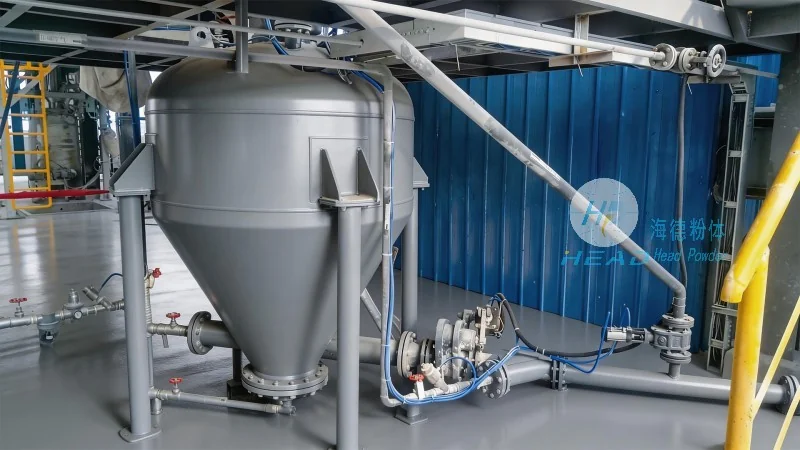
The design of an automatic material handling system is guided by several fundamental principles that ensure optimal performance and adaptability to diverse operational needs. First, the principle of efficiency and productivity is paramount, as systems are engineered to minimize downtime and maximize throughput. This involves optimizing the flow of materials, reducing handling times, and integrating various components such as conveyors, robots, and storage units to create a cohesive workflow. Second, the principle of flexibility and adaptability is crucial, allowing systems to accommodate changes in production requirements, such as varying product types or batch sizes. Modular designs and programmable components enable easy reconfiguration without extensive modifications. Third, the principle of safety and reliability is integrated into every aspect of the system. Advanced sensors, emergency stop mechanisms, and redundant systems are employed to prevent accidents and ensure continuous operation, even under challenging conditions. Additionally, the principle of cost-effectiveness is considered, with designs focusing on energy efficiency, reduced maintenance, and long-term operational savings.
Key Components and Functionalities of Automatic Material Handling Systems
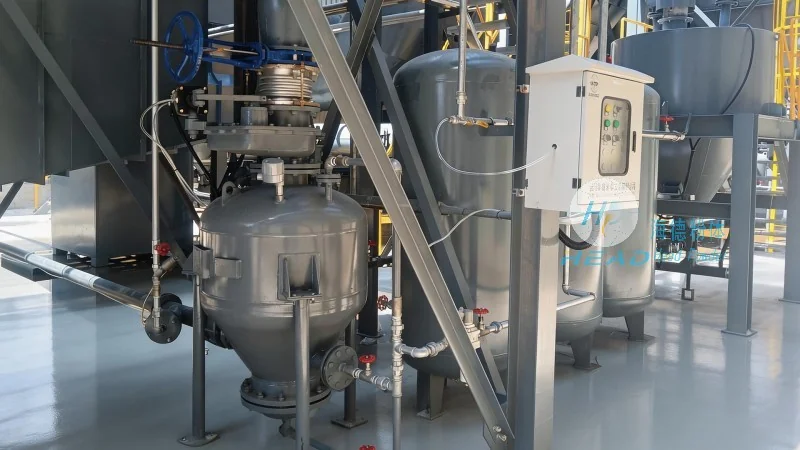
Automatic material handling systems typically consist of several interconnected components that work in harmony to achieve their objectives. The primary components include conveyors, which are used to transport materials horizontally or vertically; robots and automated guided vehicles (AGVs) that perform tasks such as picking, placing, and sorting; storage and retrieval systems (SRS) that manage inventory; and control systems that coordinate all operations. Conveyors, such as belt conveyors, roller conveyors, and chain conveyors, are chosen based on the material type, weight, and handling requirements. Robots, often equipped with sensors and artificial intelligence, can perform complex tasks with high precision, while AGVs navigate predefined paths using GPS or laser guidance. Storage and retrieval systems, including automated storage and retrieval systems (AS/RS) and robotic storage units, optimize warehouse space and inventory management. Control systems, utilizing programmable logic controllers (PLCs) and software, monitor and regulate the entire operation, ensuring smooth and efficient material flow.
The Design Process for Developing an Automatic Material Handling System
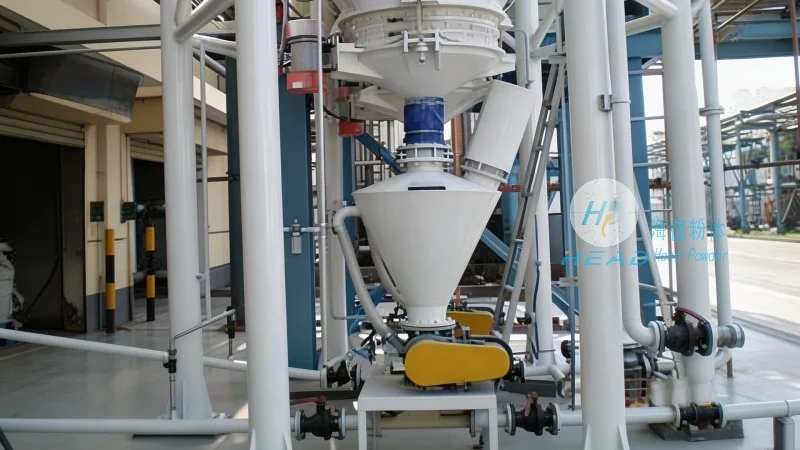
The design process for an automatic material handling system involves a systematic approach that ensures the final solution meets all operational and functional requirements. First, the initial step is to conduct a thorough analysis of the client’s needs and existing infrastructure. This includes assessing current material handling processes, identifying bottlenecks, and determining the desired outcomes. The analysis may involve data collection, process mapping, and stakeholder interviews to gather comprehensive information. Second, the design phase involves creating a conceptual design, which outlines the overall layout, components, and flow of materials. This stage may include the use of computer-aided design (CAD) software to visualize the system and simulate its performance. Third, the detailed design phase focuses on refining the conceptual design, specifying component dimensions, materials, and control parameters. This includes selecting appropriate equipment, such as conveyors, robots, and storage units, based on performance criteria and cost considerations. Fourth, the implementation phase involves manufacturing, installation, and commissioning of the system. This step requires careful coordination to ensure that all components are integrated correctly and that the system operates as intended. Finally, the testing and optimization phase is conducted to validate the system’s performance and identify any areas for improvement. This may involve running test scenarios, collecting data, and making adjustments to enhance efficiency and reliability.
About Shandong HeadPowder Engineering Co., Ltd.
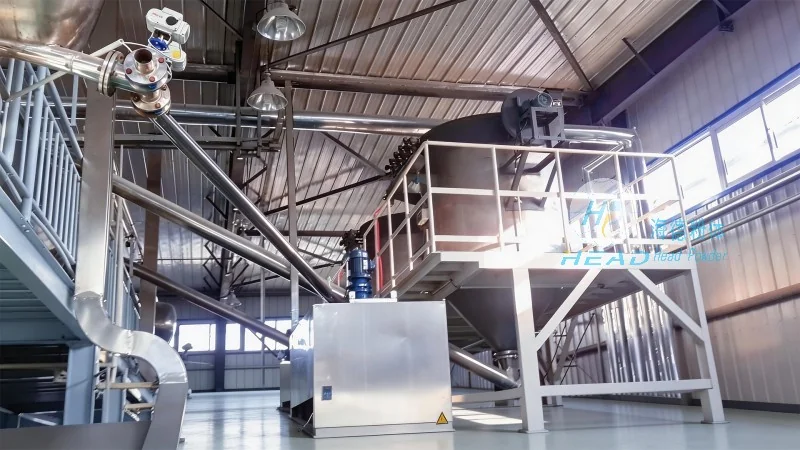
Shandong HeadPowder Engineering Co., Ltd., commonly known as HeadPowder, is a leading provider of advanced material handling solutions. With a strong commitment to innovation and quality, the company specializes in designing, manufacturing, and implementing automatic material handling systems tailored to the specific needs of its clients. HeadPowder’s expertise spans various industries, including manufacturing, warehousing, and logistics, and the company’s products are recognized for their durability, efficiency, and reliability. HeadPowder is headquartered in Shandong, China, where it leverages local resources and expertise to deliver cutting-edge solutions that meet global standards.