With more than 10‑year industry experience, Shandong Headpowder delivers full‑service pneumatic‑conveying systems and blowers, undertaking nationwide turn‑key powder‑handling projects.
In-furnace calcium injection is a critical process in modern industrial combustion systems, particularly for controlling sulfur dioxide (SO₂) emissions and improving overall boiler efficiency. This technology involves the introduction of calcium-based reagents, such as limestone or calcium carbonate, directly into the furnace of a boiler or power plant. The primary goal is to capture sulfur dioxide through chemical reactions, thereby reducing the environmental impact of industrial operations.
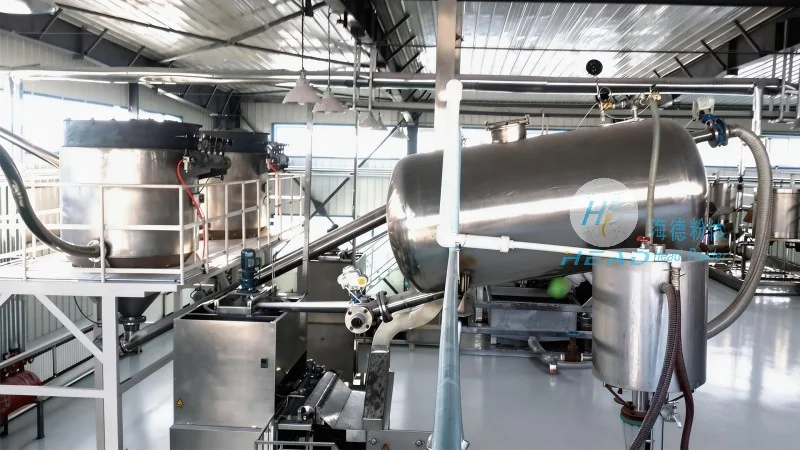
The system for in-furnace calcium injection typically consists of several key components, each playing a vital role in the overall operation. The main parts include a calcium feed system, a high-pressure injection nozzle, and a distribution network within the furnace. The feed system is responsible for delivering the calcium reagent from storage to the injection point, ensuring a consistent and controlled flow. The high-pressure nozzle then atomizes the reagent into fine particles, which are distributed evenly throughout the combustion zone. This distribution is crucial for maximizing the contact between the calcium particles and the sulfur dioxide gas, facilitating efficient chemical reactions.
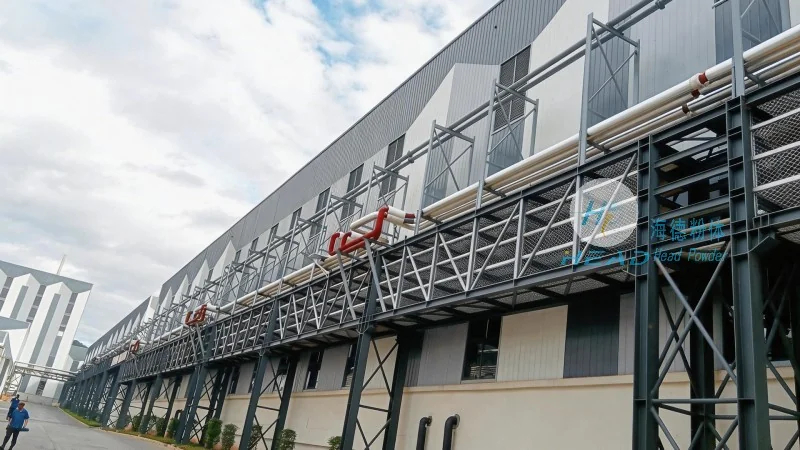
Implementing in-furnace calcium injection offers several significant benefits for industrial facilities. Firstly, it provides an effective method for reducing sulfur dioxide emissions, which is essential for complying with stringent environmental regulations. By capturing SO₂ in the combustion chamber, the technology helps minimize the formation of acid rain and improves air quality. Secondly, the process enhances boiler efficiency by reducing heat loss associated with uncontrolled sulfur emissions. Additionally, the use of calcium-based reagents is cost-effective compared to other emission control methods, making it a viable solution for many power plants and industrial boilers.
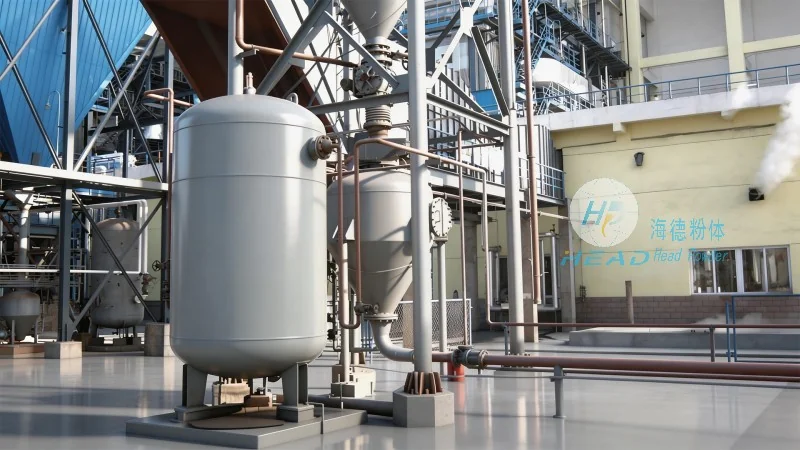
In-furnace calcium injection technology is widely applied across various industrial sectors, including power generation, cement production, and steel manufacturing. In power plants, it is commonly used in coal-fired boilers to control SO₂ emissions from the combustion of fossil fuels. In cement kilns, the process helps reduce emissions while maintaining the quality of the cement product. Similarly, in steel mills, the technology is employed to control sulfur emissions from the smelting process, contributing to cleaner industrial operations.
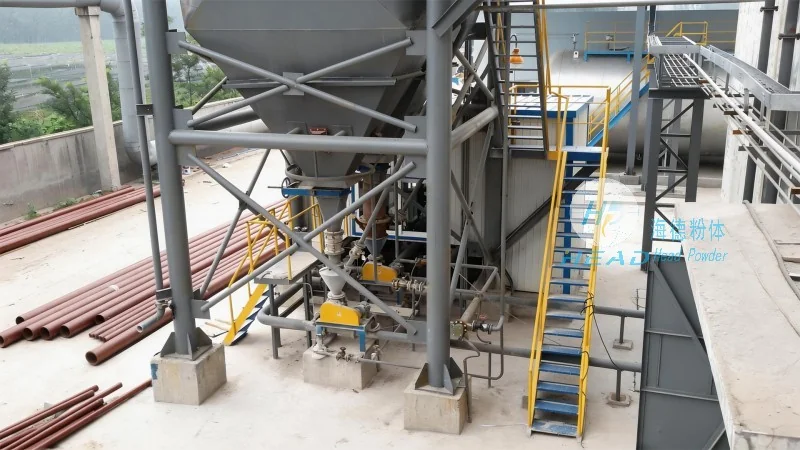
Shandong HeadPowder Engineering Co., Ltd., operating under the brand name HeadPowder, specializes in the design, manufacturing, and supply of advanced in-furnace calcium injection systems. The company is headquartered in Shandong, China, and has established itself as a leading provider of emission control solutions for industrial applications. HeadPowder's expertise lies in developing customized systems that meet the specific requirements of clients, ensuring optimal performance and compliance with environmental standards. The company's products are known for their reliability, efficiency, and cost-effectiveness, making them a preferred choice for industries seeking sustainable emission control solutions.

 Shandong Headpowder Engineering Co., Ltd.
 156-6277-7102(Manager Zhang)
  0531-83386006
  Zhangqiu District, Jinan City, Shandong Province, China
telephone
WeChatconsult
top